2026-10-02
Square Jaw Reduction Surgery: How Is the Procedure Performed?
Explore how square jaw reduction surgery reshapes the lower face using curved osteotomy, cortical bone shaving, and nerve-safe techniques for natural, balanced contours.
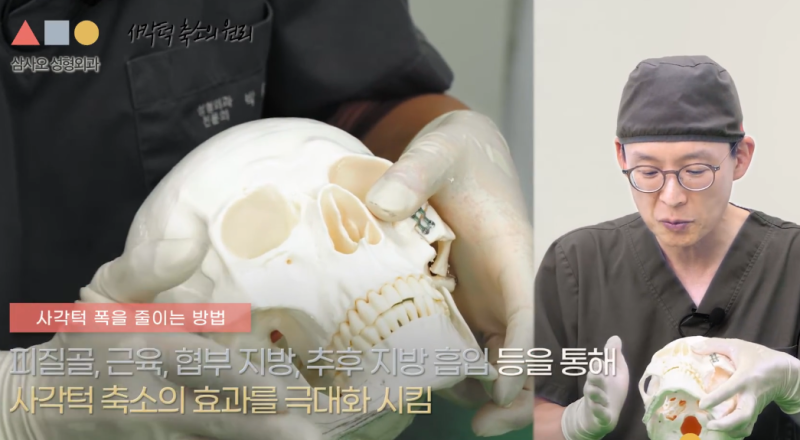
Hello, this is 345 Plastic Surgery Clinic.
When the square jaw is prominent,
the face can appear wide from the front,
and the jawline can look angular and sharp from the side.
In square jaw reduction surgery,
it is crucial to evaluate both frontal and lateral facial contours
when deciding the extent and technique of bone resection.
Today, using a facial bone model,
we will explain how a square jaw is designed and resected,
and how the frontal width of the lower face is effectively reduced.
- How is square jaw surgery designed?
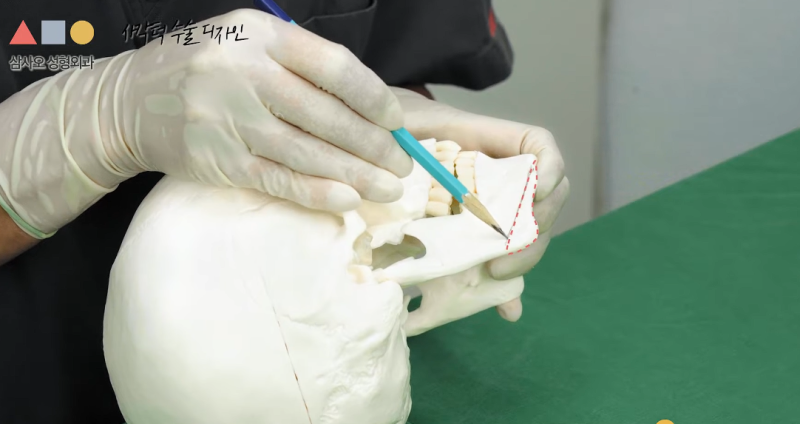
Square jaw surgery is a procedure that resects the prominent mandibular angle
to reduce the overall size of the lower jaw.
In the past, to reduce more width visible from the front,
the osteotomy line was sometimes placed excessively high.
However, cutting the bone too high up can result in an over-resected jawline,
creating an unnatural, sloping appearance often referred to as a "dog jaw."
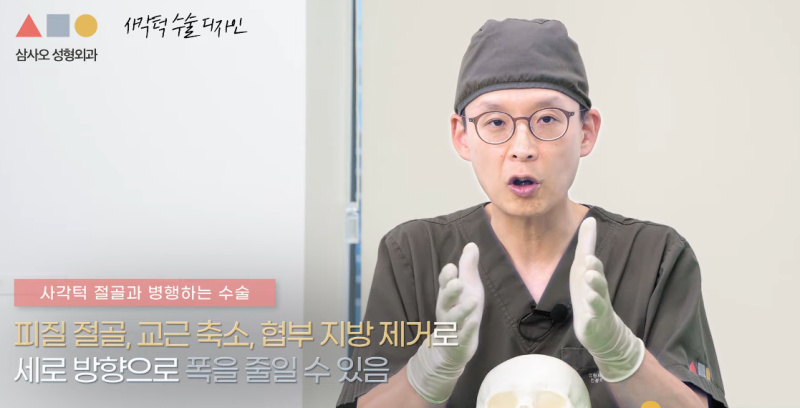
Therefore, rather than cutting too high indiscriminately,
modern techniques focus on resecting just enough to leave a natural angle in profile,
while combining cortical ostectomy, masseter muscle reduction,
and buccal fat pad removal if necessary to slim the frontal width.
By combining these methods, both lateral and frontal widths are reduced,
creating a three-dimensionally smaller and well-balanced jawline.
- Protecting the nerve pathway is critical during resection
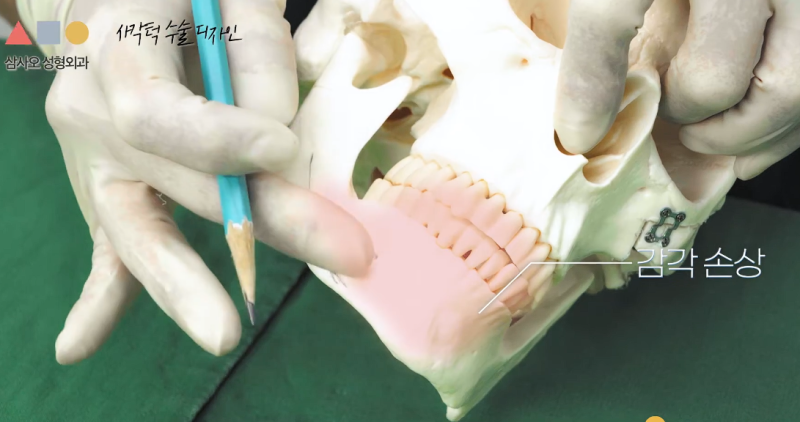
An essential nerve runs inside the mandible (lower jawbone).
This inferior alveolar nerve passes through the bone and emerges toward the front;
if damaged, it can impair sensation in the lower lip and chin.
Consequently, the osteotomy line must be planned precisely
based on the 3D position of the nerve path,
ensuring all bone cuts remain within a safe margin.
When the osteotomy needs to extend further forward toward the chin,
instead of forcing an aggressive single cut from the back,
separate cuts are made from both front and back to meet safely,
allowing the targeted bone segment to be removed without risk.
- How is a long-curved mandibular resection performed?
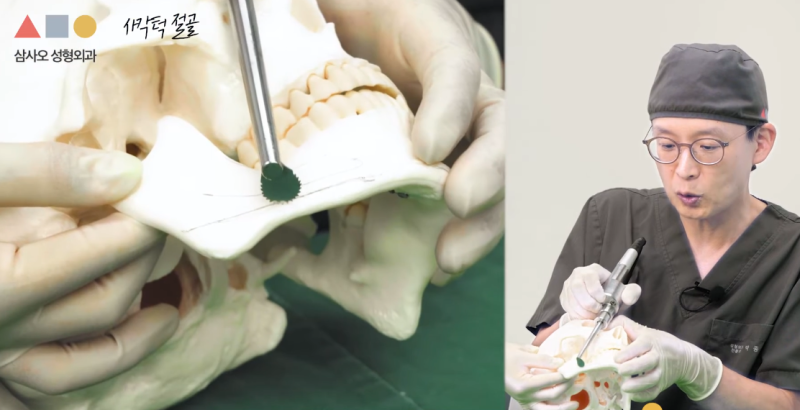
Because square jaw surgery is performed intraorally (inside the mouth),
the surgeon views the jawbone from a steep, restricted angle.
To execute the planned trajectory accurately,
a specialized 90-degree angled saw blade is used
to resect the bone smoothly along the pre-designed curve.
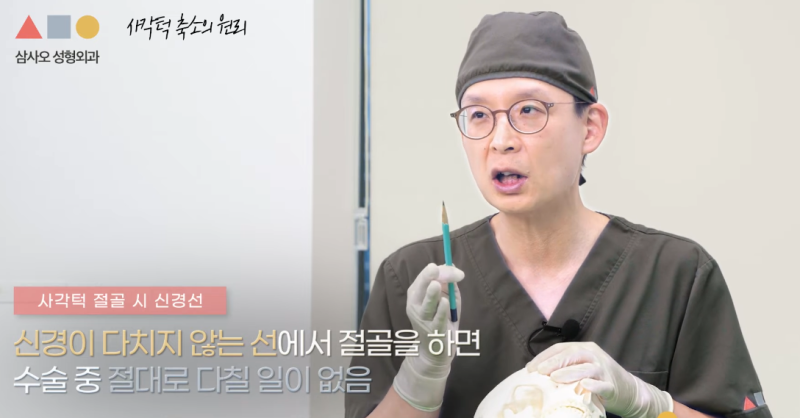
After osteotomy, the slope of the mandibular angle changes,
and the gonial angle shifts higher into a refined position.
Rather than over-elevating the cut as was once done,
it is key to perform an appropriate resection safely
while preserving the mandibular nerve intact.
- How can the width seen from the front be reduced?
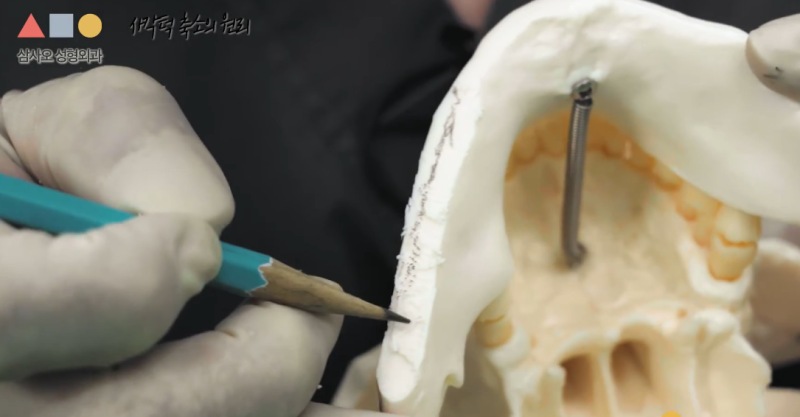
To slim down the frontal view of the jaw,
cortical ostectomy, masseter reduction, and buccal fat extraction
can be performed together.
Cortical ostectomy involves shaving or removing the outermost layer
(cortical bone) of the mandible.
By reducing about 3mm from the cortical bone, 2–3mm from the muscle,
and 1–2mm from buccal fat, with facial liposuction added if indicated,
a significant compound slimming effect is achieved.
While each adjustment may seem modest on its own,
combining them markedly reduces the external width of the lower face,
delivering a visibly slimmer jawline from both frontal and profile views.
- Essential post-operative care guidelines for facial contouring
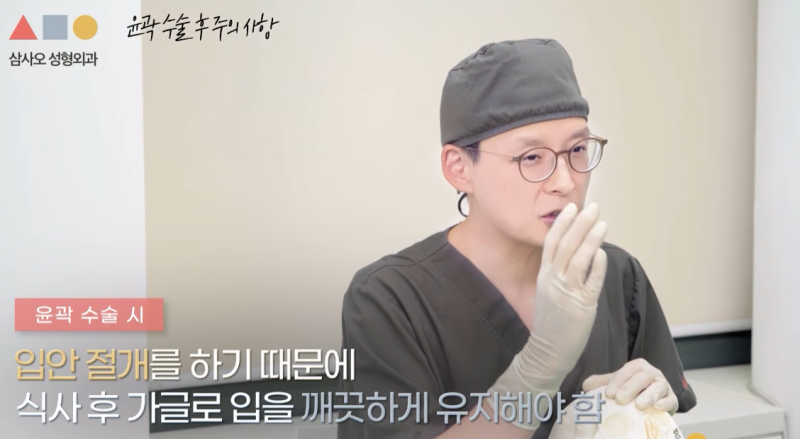
First and foremost, keeping oral incisions clean is vital.
Gargle frequently following the clinic's instructions
to prevent food residue from accumulating around the sutures.
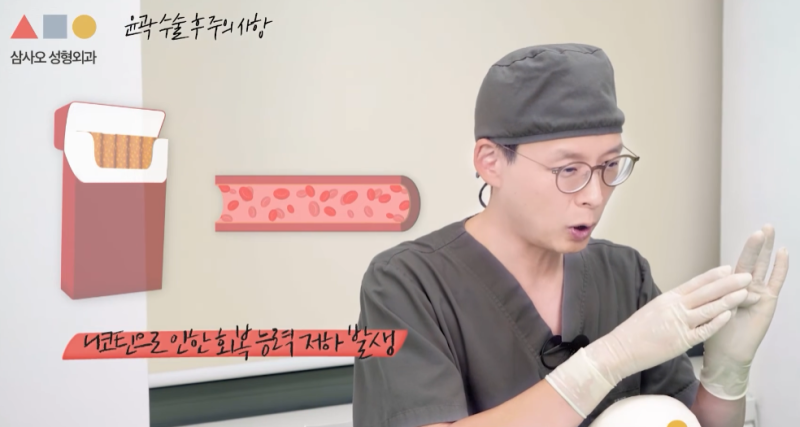
Avoid alcohol and smoking for at least one month.
In particular, nicotine constricts blood vessels and decreases blood flow,
which impairs your immune response against infection
and delays bone and wound healing.
Always take prescribed medications consistently without skipping or stopping early.
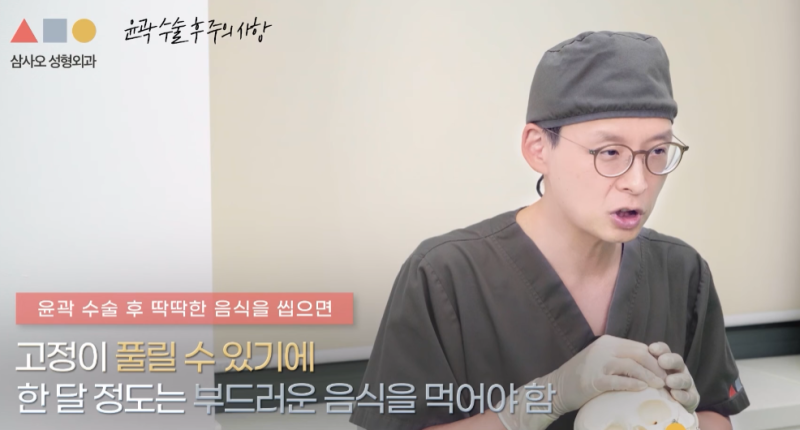
Finally, avoid hard or chewy foods for about one month.
Forceful chewing before the bone has sufficiently healed
can destabilize surgical sites or compromise results,
so stick to a soft diet during early recovery.
Today, we walked through the design, osteotomy steps,
and frontal slimming principles of square jaw surgery using a bone model.
Rather than simply cutting away as much bone as possible,
successful mandibular contouring requires an accurate anatomical evaluation
and a customized surgical plan tailored to your facial structure.
If you are concerned about a wide or angular lower face,
we recommend a 3D-CT scan and personalized consultation
to find the optimal surgical approach for your features 💙
Thank you 😉



Frequently Asked Questions
How is nerve damage prevented during square jaw surgery?
The exact 3D path of the inferior alveolar nerve is mapped out beforehand to design osteotomy lines safely away from it. If the cut must extend forward, it is performed in sections from the front and back to meet precisely, preventing nerve trauma.
Can square jaw surgery also reduce the frontal width of the lower face?
Yes. By combining long-curved mandibular resection with cortical ostectomy, masseter muscle reduction, and buccal fat extraction, significant frontal narrowing is achieved alongside profile improvement.
Is it better to resect as much jawbone as possible?
No. Excessive bone resection can eliminate the natural jaw angle completely, resulting in an unnatural "dog jaw" deformity. Modern surgical planning preserves a soft, natural angle while slimming the jaw three-dimensionally.
What diet should I follow after square jaw reduction surgery?
You must stick to a soft food diet for about one month. Chewing tough, firm, or chewy foods prematurely exerts strong bite pressure that can destabilize healing bone structures.
Why are smoking and alcohol prohibited after jaw contouring?
Both must be strictly avoided for at least four weeks. Nicotine constricts blood vessels, drastically reducing circulation needed for bone and soft-tissue healing while elevating infection risks.