2026-06-04
Must-Read Before Checking Under-Eye Fat Repositioning Reviews! From Causes to Preventing Relapse
Bulging under-eyes can easily give off a tired and aged impression. It's not simply a matter of the amount of fat, but the supporting power of the orbital septum and the elasticity of surrounding tissues are key. It is important to clearly understand the differences between under-eye fat repositioning and lower blepharoplasty, and to choose the surgical method that is right for you.

The Fundamental Causes of Bulging Under-Eye Fat
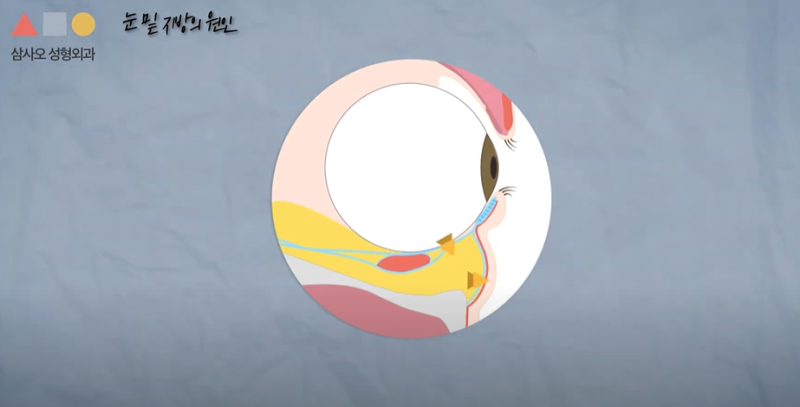
While bulging under-eyes can sometimes simply be due to an excess amount of fat, changes in the anatomical structure are often the primary cause. Under-eye fat acts as a cushion to protect the eyeball, and when the supporting strength of the orbital septum weakens, the fat is pushed forward.

Additionally, as we age, the eyeball can descend slightly, compressing the internal fat and worsening the protrusion. Conversely, it may not be that the fat is protruding, but rather that the tear trough area under the eyes is sunken, making the fat appear relatively more prominent. Since the causes vary for each individual, an accurate diagnosis before surgery is essential.

Under-Eye Fat Repositioning vs. Lower Blepharoplasty: Which Method is Right for Me?
There are two main methods to resolve under-eye issues. You must choose the appropriate surgical method based on your skin elasticity and degree of sagging to expect highly satisfying results.

- Under-Eye Fat Repositioning (lower blepharoplasty): Suitable when skin elasticity is good and fat protrusion is the main concern. Since it is approached through the conjunctiva, there are almost no visible external scars, and the fat is spread evenly to fill in sunken areas.
- Lower Blepharoplasty (lower eyelid surgery): Performed when there is accompanying sagging of the skin and muscles. An incision is made along the eyelash line to excise excess skin and pull the muscles, simultaneously improving wrinkles and organizing the fat.
The Importance of 'Orbital Septum Strengthening' for Relapse-Free Results
What many people worry about is a relapse after surgery. Cases in under-eye fat repositioning reviews where the fat protrudes again over time are highly likely due to an insufficient septum strengthening process.
Rather than simply moving the fat, the septum surrounding the fat must be tightened firmly to effectively prevent the fat from pushing out from the inside again. This is a core technique that increases the longevity of the surgery.

Post-Operative Recovery Process and Precautions
Immediately after surgery, bruising or swelling may occur depending on the individual, but it generally shows a good recovery pattern within 1 to 2 weeks. Although under-eye fat repositioning is considered a relatively simple surgery, because it deals with the sensitive tissues around the eyes, it is necessary to thoroughly assess the condition of your soft tissues through sufficient consultation with a specialist.

If you want to improve a tired-looking impression and achieve much brighter eyes, understanding the surgical mechanisms you need, rather than simply looking at review photos, is the beginning of making a wise choice.


Frequently Asked Questions
What is the fundamental cause of bulging under-eye fat?
The primary cause is the weakening of the orbital septum, which protects the eyeball, causing fat to push forward. Additionally, as one ages, the eyeball may descend and compress internal fat, or the tear trough area may become sunken, making the fat appear more prominent.
Which should I choose between under-eye fat repositioning and lower blepharoplasty?
The choice should be made based on your skin elasticity and the degree of sagging. If your skin elasticity is good and there is only fat protrusion, under-eye fat repositioning, which accesses through the conjunctiva, is suitable. If sagging of the skin and muscles is also present, lower blepharoplasty, which improves wrinkles through an incision, is necessary.
Will there be scars after under-eye fat repositioning surgery?
No, there are almost no visible scars. Under-eye fat repositioning is performed by accessing through the conjunctiva on the inside of the eye, so no incision lines or scars occur on the external skin, making it less burdensome.
How can I prevent the recurrence of bulging under-eye fat after surgery?
It is essential to undergo an orbital septum strengthening process. It's not enough to simply flatten and reposition the fat; the septum surrounding the fat must be tightened firmly to effectively prevent the fat from pushing out again from within.
How long is the recovery period after under-eye fat repositioning surgery?
Recovery is usually good within 1 to 2 weeks. Immediately after surgery, some bruising or swelling may occur depending on the individual's soft tissue condition, but it is a relatively simple procedure, and these subside enough within 1 to 2 weeks to not significantly interfere with daily life.