2026-06-04
Female Hump Nose Correction: Differences and Selection Criteria for Non-Implant vs. Custom Implant
A protruding nasal bridge on a female hump nose can easily create a harsh impression. At 345 Plastic Surgery, we use CT analysis to recommend the most suitable method for each individual, whether it be a non-implant or custom implant approach. Discover the essential information on hump nose rhinoplasty, from natural correction using autologous tissue to achieving a precisely refined line.

Female Hump Nose Rhinoplasty to Soften a Strong Impression
A hump nose, characterized by a raised middle section of the nasal bridge, can easily give off a stubborn or harsh impression. Especially for women, even a very slight protrusion on the nasal bridge can detract from the overall dimensional balance and softness of the face. The key to female hump nose rhinoplasty is not simply shaving down the protruding bone, but harmoniously refining the angle of the nasal tip and the overall line.
At 345 Plastic Surgery, we precisely analyze each patient's nasal structure to achieve a balanced beauty from both the front and side profiles.
Non-Implant vs. Custom Implant: Which Method is Better?
Hump nose correction is broadly divided into two methods depending on the degree of nasal protrusion and the patient's desired aesthetic goals. Since each method has distinct advantages and disadvantages, thorough consultation with a specialist and a 3D CT analysis must precede the surgery.
| Category | Non-Implant Rhinoplasty | Custom Implant Rhinoplasty |
|---|---|---|
| Characteristics | Uses autologous tissue without artificial implants | Custom-made implant tailored to individual nasal structure |
| Advantages | Less foreign body sensation and a natural line | Precise correction with minimal shaving of the hump |
| Recommended For | Those who want to naturally elevate only the nasal tip | Those with a low nasal bridge along with a hump |
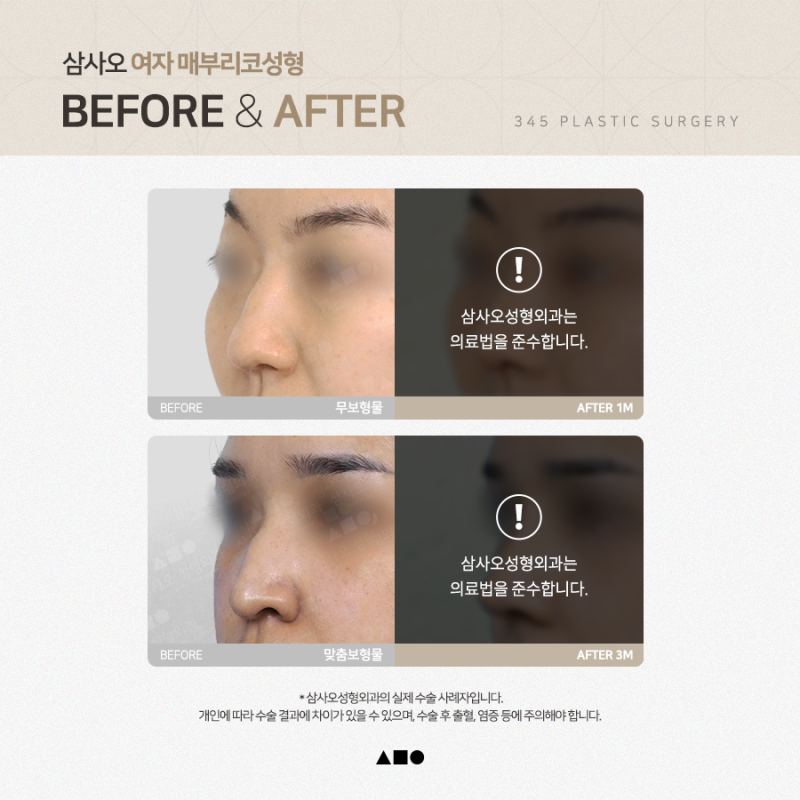
1. Non-Implant Correction Using Autologous Tissue
This is suitable for those who are burdened by artificial implants or seek a natural change. Using your own tissue, such as ear cartilage, septal cartilage, or autologous rib cartilage, the nasal tip is elevated and the hump area is smoothed out. This serves as a great alternative for individuals with thin skin, as it reduces concerns about the implant showing through.
2. Custom Implant Correction for a Precise Line
Excessively shaving down the hump area can risk weakening the functional structure of the nose. To prevent this, the protruding part is only slightly trimmed, and an implant perfectly tailored to the contoured area is added to complete a smooth straight or semi-curved (ban-beoseon) line.
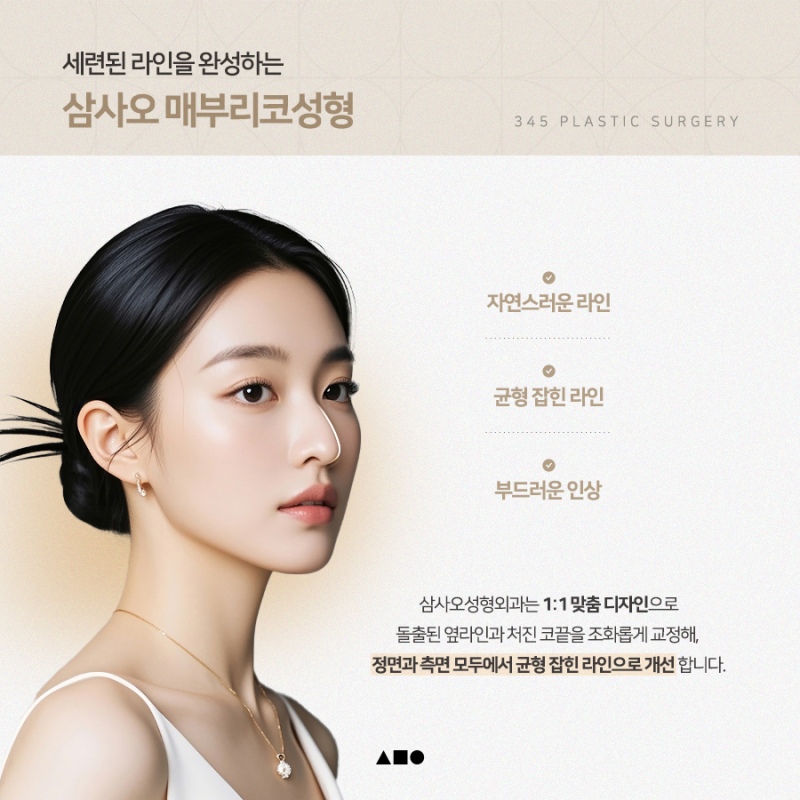
Key Points of Hump Nose Correction at 345 Plastic Surgery
Hump nose rhinoplasty is a highly difficult surgery that must simultaneously consider both the functional and aesthetic aspects of the nose. 345 Plastic Surgery aims for stable results through the following systems:
- 1:1 Custom Design: We precisely calculate the angle of the protruding nasal bridge and the drooping nasal tip.
- 3D CT Analysis: We comprehensively assess the width of the nasal bone and the degree of septal deviation in three dimensions.
- Safety-First System: With an in-house anesthesiologist and continuous CCTV operation, we transparently manage the entire surgical process.
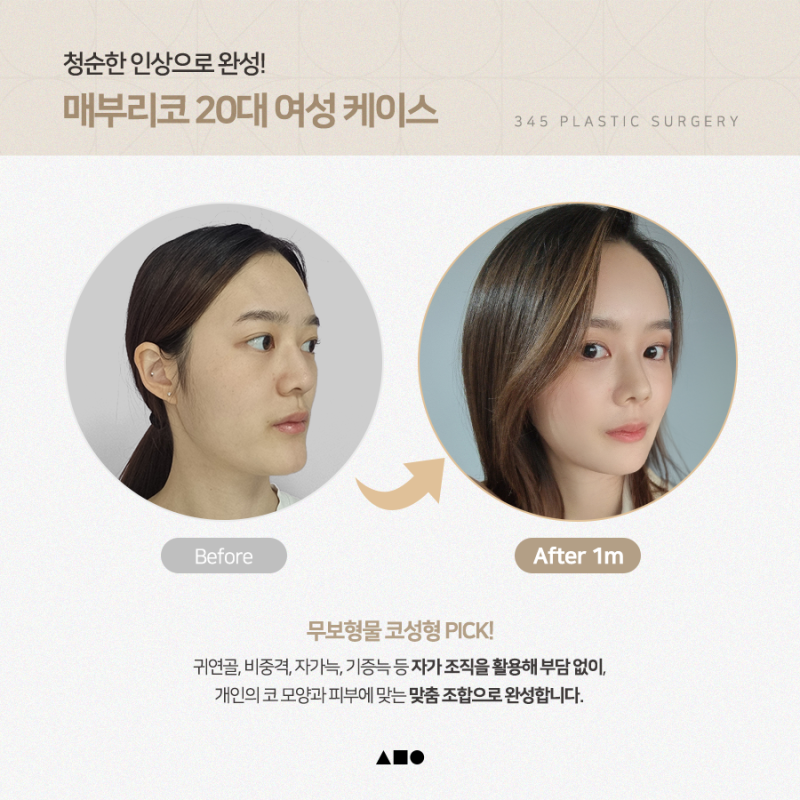
Post-Operative Recovery and Precautions
Post-operative care is also crucial for successful results. Swelling and bruising may occur immediately after surgery, which typically subside gradually over 1 to 2 weeks.
- For about a month after surgery, you should avoid wearing glasses or any actions that put strain on the nose.
- Drinking and smoking must be prohibited as they can delay recovery and cause inflammation.
- While the nasal mucosa is healing, you should refrain from blowing your nose forcefully.
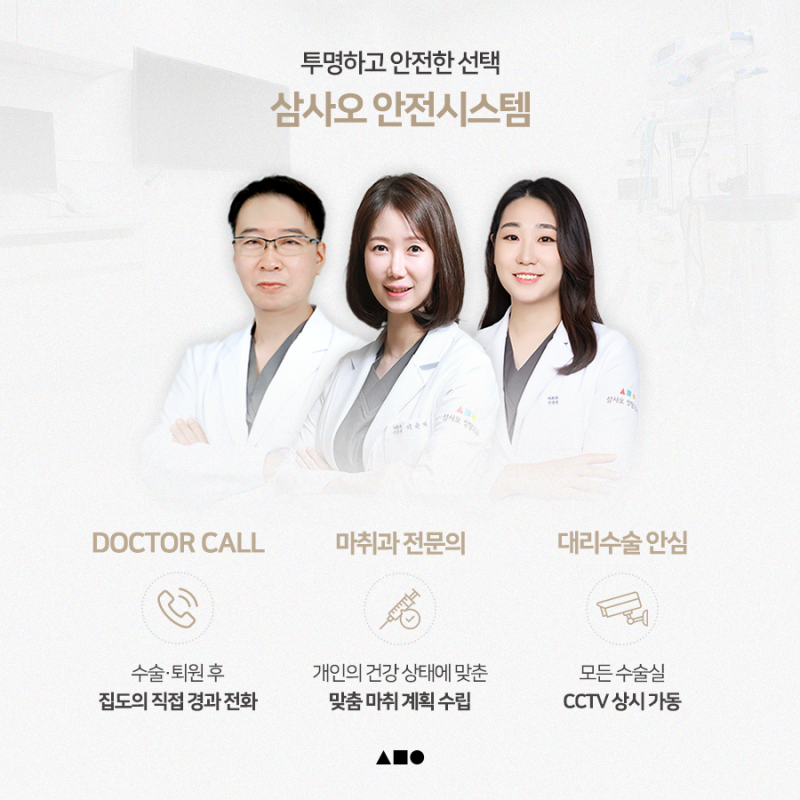
A small difference in angle determines your overall image. If a hump nose has been your complex, we encourage you to find the perfect solution for yourself through a consultation with our specialized medical team.



Frequently Asked Questions
What are the advantages of non-implant surgery for hump nose correction?
The advantage is that it uses autologous tissue without artificial implants, resulting in less foreign body sensation and a more natural look. Since ear cartilage, septal cartilage, etc., are used, even those with thin skin can undergo surgery without worrying about transparency.
What is the best method if I have a low nose bridge and a hump?
Custom implant rhinoplasty is recommended. This is because it can create a smooth line while maintaining the functional structure of the nose by minimally trimming the hump and then adding an implant tailored to the individual's contours.
How long do swelling and bruising last after hump nose surgery?
They usually subside gradually over 1 to 2 weeks. Swelling and bruising that occur immediately after surgery will naturally alleviate over time, so it is best to get plenty of rest and wait for recovery.
When can I wear glasses after hump nose surgery?
It is recommended to wear them approximately one month after surgery. Before then, stress on the nose can deform the surgical site, so avoid wearing glasses and blowing your nose hard.
Is a 3D CT scan essential before hump nose surgery?
Yes, it is necessary for safe and precise surgery. A 3D CT scan is needed to understand the width of the nasal bone and the degree of septal deviation in 3D to create an accurate 1:1 customized surgical plan.