2026-06-04
Facial Contouring Post-Op Care Q&A: A Complete Guide to Scars, Lasers, and Massage Timelines
We have compiled professional answers to the most common questions patients have during the recovery process after facial contouring and orthognathic (two-jaw) surgery, including when to get massages, whether laser treatments are possible, scar management, and the importance of bone fixation. Please check the timeline-specific precautions for a safe and smooth recovery.
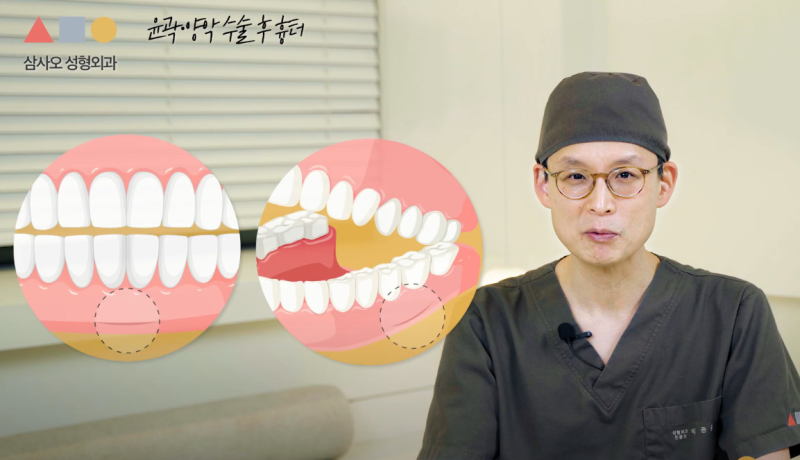
Post-Facial Contouring: A Timeline-Based Care Guide for Returning to Daily Life
After undergoing facial contouring surgery or orthognathic (two-jaw) surgery, systematic post-operative care is just as important as the aesthetic changes. Many patients wonder when they can resume their daily skincare routines or receive laser treatments right after surgery. Based on the most frequently asked questions at 345 Plastic Surgery, we have put together a guide for a safe recovery.
1. When to Get Facial Massages and Meridian Massages Post-Op
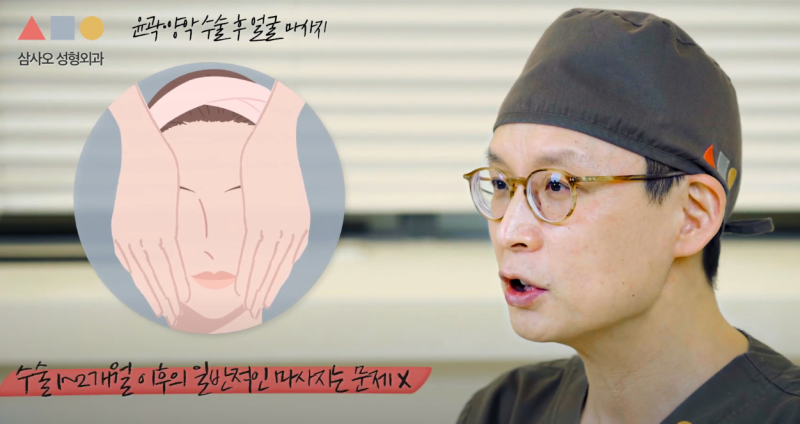
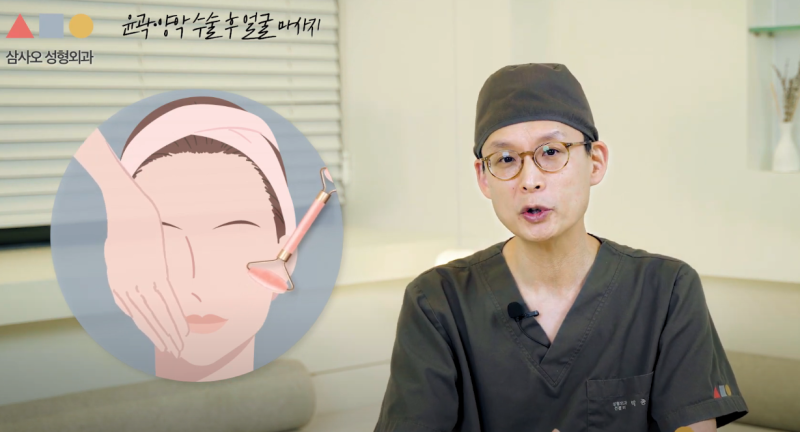
Light massages for skincare after surgery are recommended starting 1 to 2 months post-op. It is important to proceed gently without applying strong pressure to the surgical areas.
However, caution is required for meridian massages (Kyung-rak) that apply strong pressure. It typically takes about 3 to 6 months for the resected bones to achieve complete bone union (the process of bones fusing together). Therefore, it is safe to receive such massages after 6 months, once the bones are firmly set in place. Until then, strong physical pressure must be avoided.
2. The Relationship Between Lifting Lasers (like Ultherapy) and Fixation Screws
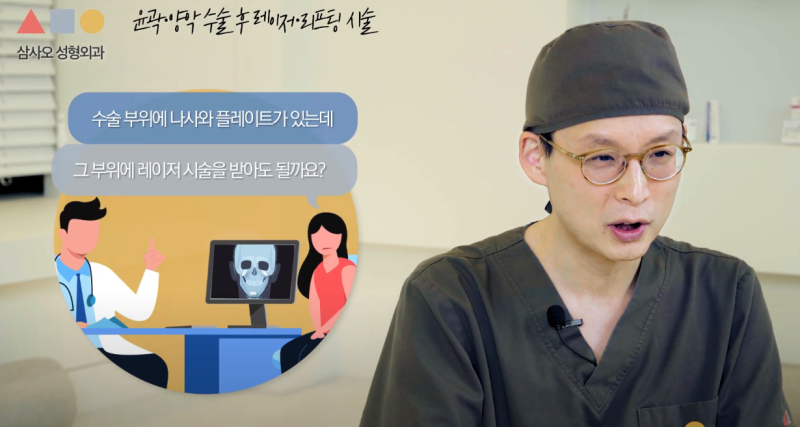
Many people worry about getting laser treatments due to the titanium screws or plates inserted inside the surgical area. To give you the conclusion first, most laser lifting procedures are perfectly fine.
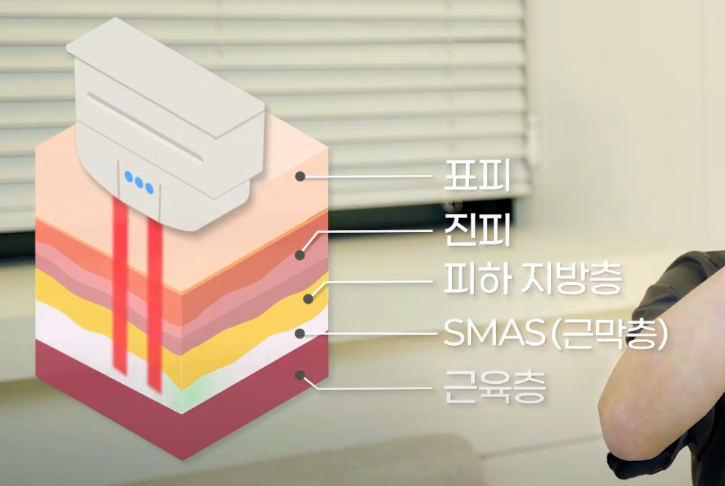
Procedures like Ultherapy primarily target the subcutaneous fat layer and the SMAS (Superficial Musculoaponeurotic System) layer of the skin. Since fixation screws are located in the much deeper bone layer, it is highly unlikely that the laser will directly affect them. However, if there is severe swelling immediately after surgery, the effectiveness of the laser may be reduced, so it is best to proceed after consulting with a specialist once the swelling has sufficiently subsided.
3. Surgical Scar Management: Intraoral and Preauricular Incisions
The recovery pattern of scars from facial contouring surgery varies depending on their location.
- Intraoral Incision (Inside the mouth): The oral mucosa heals quickly, but the scar itself does not disappear completely. For the first 2 to 3 months post-op, the tissue may feel hard and tight, but over time, it gradually softens and improves to a level where there is almost no daily discomfort.
- Preauricular Incision (In front of the ear): External scars from cheekbone (zygoma) reduction surgery can be expected to fade noticeably over time with consistent management using scar ointments or patches.
4. The Necessity of Bone Fixation in Cheekbone Surgery
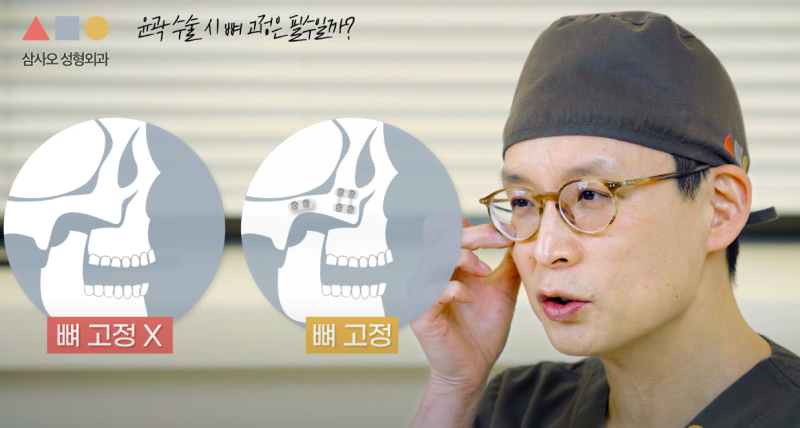
Recently, methods that firmly fixate the bones are preferred for safer results. In our faces, the masseter muscle, which is used for chewing food, is connected to the cheekbone and exerts a strong force.
If the bones are not properly fixated, the force of this muscle can cause the bone to sag downward (a cause of cheek sagging), or the pressure from the temporalis muscle can cause the cheekbone to protrude again as a side effect. Therefore, using fixation pins is advantageous for stable retention.
5. Surgery in Younger Patients and Concerns About Skin Sagging
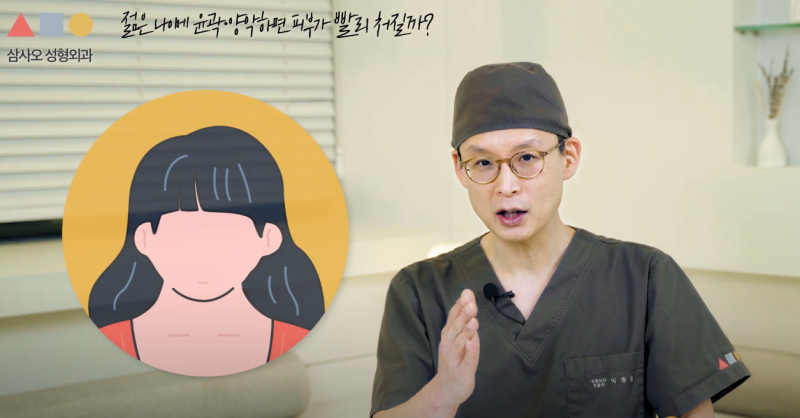
To the question, "If I get surgery at a young age, will my skin sag faster later on?", no clear causal relationship has been established. This is similar to dieting. Just as skin elasticity after weight loss varies depending on an individual's constitution, it is better to prioritize the psychological and aesthetic satisfaction gained from improving your current complexes through contouring surgery. If you combine this with elasticity management post-surgery, sagging due to aging can be sufficiently mitigated.
In facial contouring surgery, recovery management determines the perfection of the results just as much as the surgery itself. If you have any questions, do not hesitate to consult with our medical professionals to establish a safe care plan.