2026-11-07
Facial Contouring for Incoming Students: When Is the Best Time to Have Surgery Before Classes Begin?
For students starting university in March, facial contouring surgery is best scheduled by late January, or late December if attending freshman OT, to allow time for swelling to subside.

Hello. This is Samsao Plastic Surgery Clinic.
Many students who have finished the CSAT (Korea's College Scholastic Ability Test) and are preparing to enter university plan changes to their appearance.
Especially if you have been concerned about the overall shape of your face, such as prominent cheekbones or a square jaw, you may consider facial contouring surgery before starting university.

However, with facial contouring surgery, it is important to fully consider the swelling after surgery and the recovery period.
If you are starting school in March, when is the best time to schedule your surgery?
Today, Samsao Plastic Surgery Clinic will explain the appropriate timing for facial contouring surgery for students and the points to check in advance.
Starting school in March? Plan your surgery by the end of January!
If you are considering facial contouring surgery before starting university, it is important to secure enough recovery time.
Although the initial swelling gradually goes down, residual swelling can take several months or longer to fully subside, depending on the individual.
Based on a March start, we recommend planning your surgery for the end of January, about 1 to 1.5 months before classes begin.
Planning to attend OT? Move your surgery date up by another month!
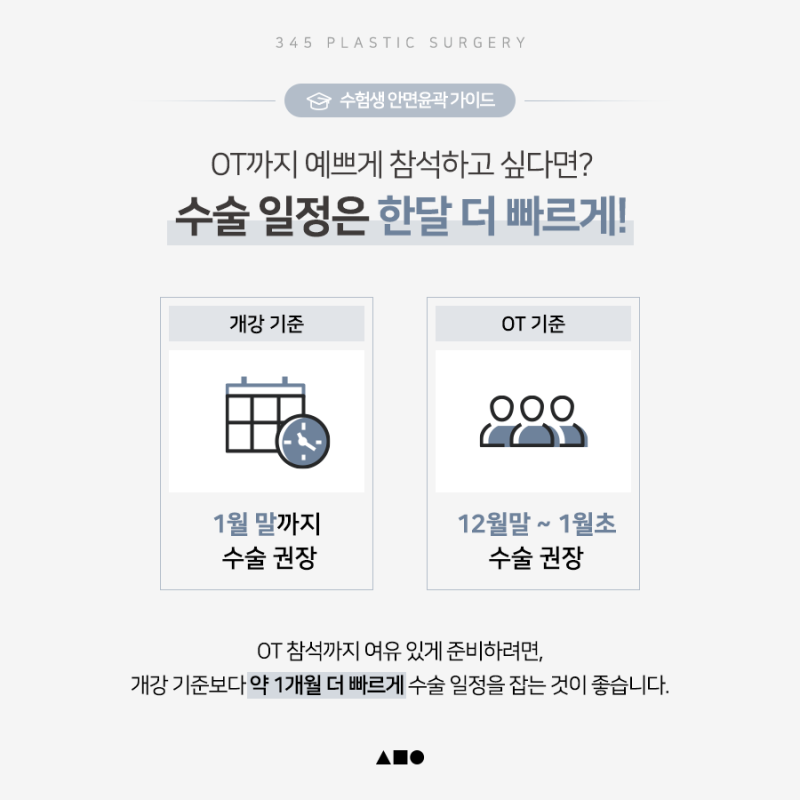
If you also want to attend the freshman orientation (OT) before university begins, it is better to move your surgery date up a little earlier.
If you had planned surgery for the end of January, we recommend moving it up by about a month, to late December or early January, so you can attend OT.
However, since OT schedules and individual recovery speeds vary, it is important to consult with your medical team and decide on the timing.
Want surgery on a specific date? Book your consultation early!
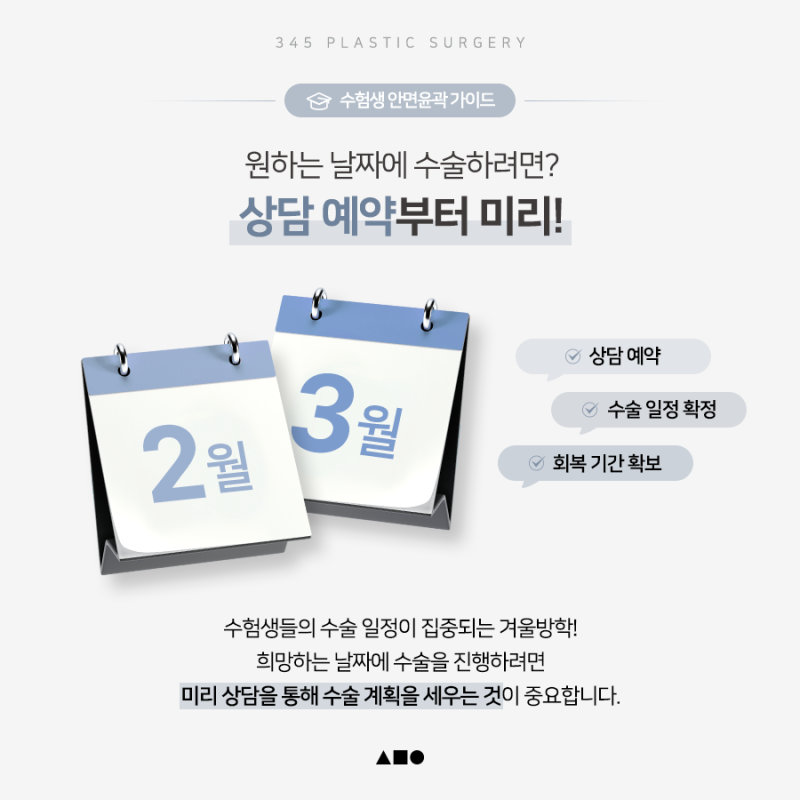
From after the CSAT through the winter break, demand for cosmetic surgery among students peaks, so advance booking is essential if you want surgery on a specific date.
Be sure to prepare early, from booking your consultation and confirming your surgery date to setting aside enough recovery time!
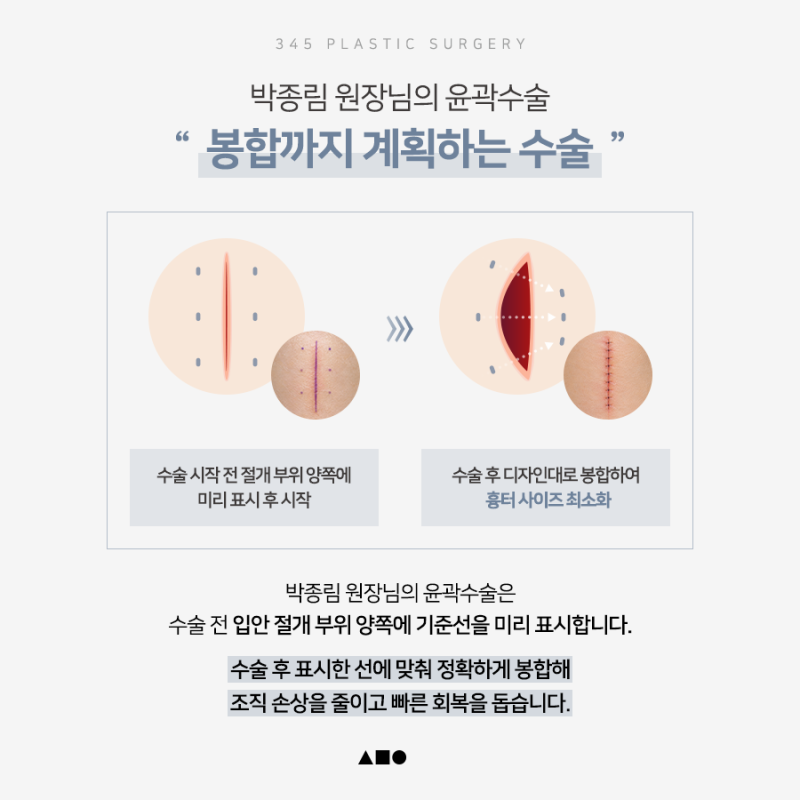
Dr. Park Jong-rim, the clinic's director, focuses on minimizing unnecessary tissue damage through careful dissection and incision and meticulous suturing.
In particular, before surgery he marks reference lines on both sides of the intraoral incision site, and after surgery he closes the incision precisely along those marked lines.
Through this approach, the clinic aims to minimize tissue damage and scarring, and to reduce post-surgery swelling and the burden of recovery.
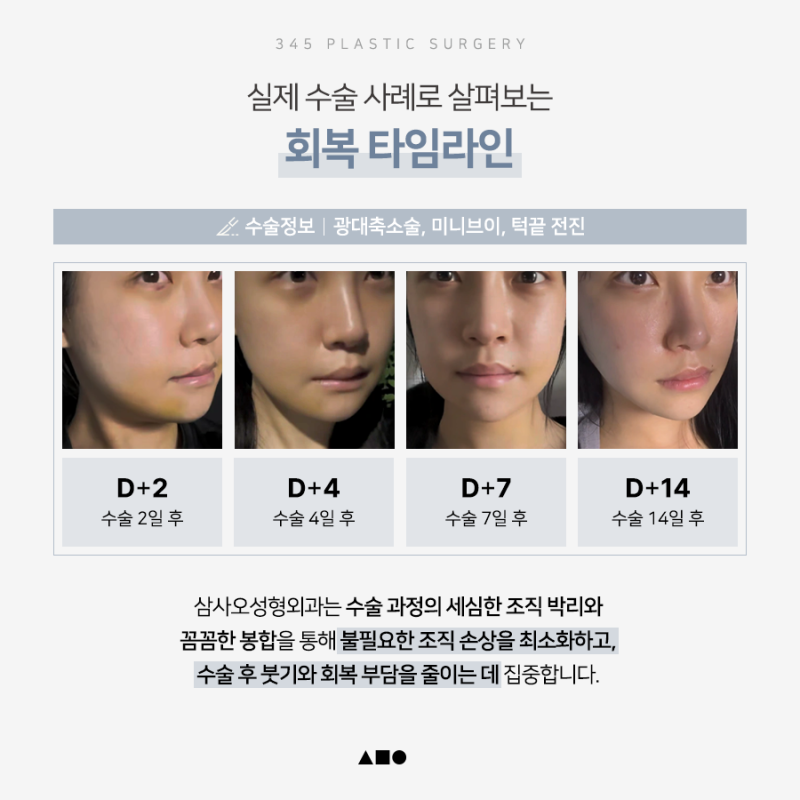
Looking at actual facial contouring cases performed at our clinic, initial swelling is observed on days 2 to 4 after surgery. From day 7, the swelling gradually decreases and the facial contours begin to emerge.
By day 14, you can see that the swelling has subsided.
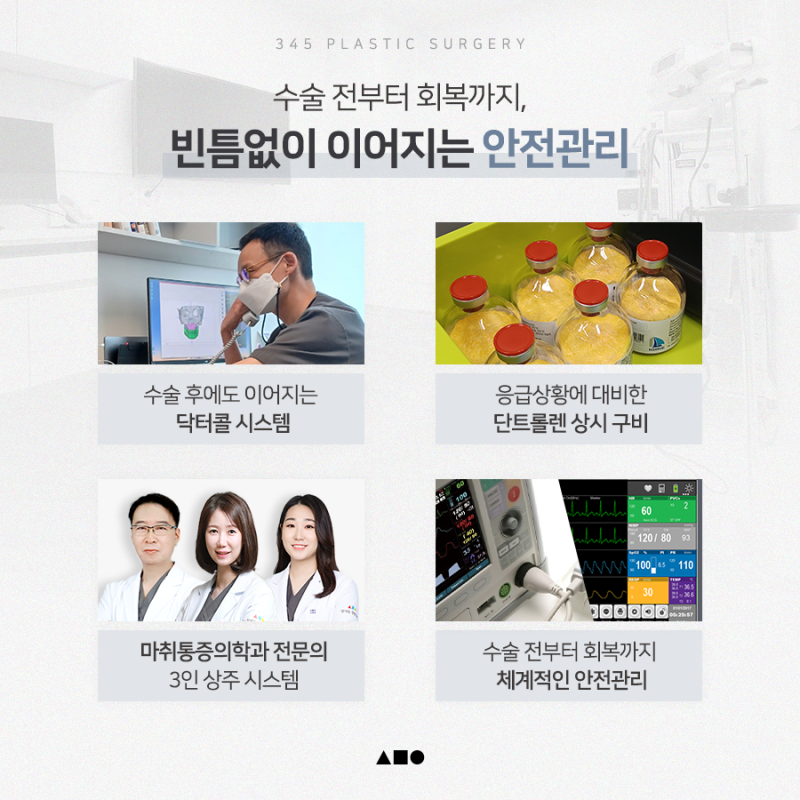
Because facial contouring surgery involves general anesthesia, systematic safety management from before surgery through recovery is essential.
Samsao Plastic Surgery Clinic has a system with three board-certified anesthesiology and pain medicine specialists on site, allowing us to closely monitor each patient's condition during surgery.
We also keep dantrolene, a treatment for malignant hyperthermia, on hand at all times for emergencies. After surgery, we continue to provide careful follow-up through our DOCTOR CALL system.
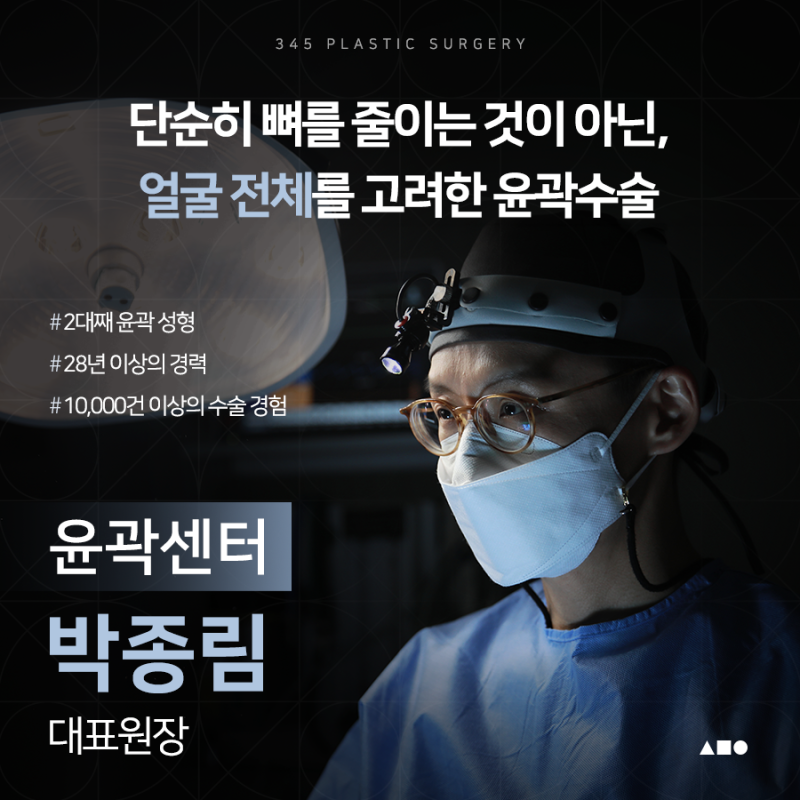
Dr. Park Jong-rim draws on more than 28 years of clinical experience and over 10,000 surgical cases, and aims for contouring surgery that takes each person's bone structure into account.
If you are considering facial contouring surgery ahead of your new university life, please plan carefully based on an accurate diagnosis and sufficient recovery time 😉
Thank you 💙



Frequently Asked Questions
Can students consider facial contouring surgery before starting university?
Many students consider facial contouring surgery before starting university. The article advises securing enough time for swelling and recovery, and notes that the timing should be decided in consultation with a medical team.
How long before the March semester should facial contouring surgery be done?
The article recommends planning surgery by the end of January, about 1 to 1.5 months before a March start. Residual swelling can take several months or longer to subside depending on the individual, so a sufficient recovery period is necessary.
If I want to attend OT, when is the best time for surgery?
If you want to attend OT, the article recommends surgery in late December or early January, about a month earlier than the end-of-January target. It also notes that OT schedules and individual recovery speeds vary, so the timing should be decided with a medical team.
When does swelling usually go down after facial contouring surgery?
Based on the clinic's cases, initial swelling is observed on days 2 to 4 after surgery. From day 7, the swelling gradually decreases and the contours begin to show, and by day 14, the swelling has subsided. The article explains that residual swelling can take several months or longer depending on the individual.
Why should I book a facial contouring consultation in advance?
From after the CSAT through the winter break is when demand for cosmetic surgery among students peaks, so advance booking is important if you want surgery on a specific date. It is best to prepare early, from booking a consultation through confirming your surgery date to securing your recovery period.
How is safety managed during facial contouring surgery?
The clinic's safety management includes a system with three board-certified anesthesiology and pain medicine specialists on site, dantrolene kept on hand at all times for malignant hyperthermia, and post-surgery follow-up through the DOCTOR CALL system. Because general anesthesia is involved, the article stresses that systematic safety management from before surgery through recovery is important.