2026-06-04
Facelift Maintenance Period: Secrets to Long-Lasting Effects and Aftercare
The maintenance period of a facelift depends on an individual's skin condition, skeletal structure, and surgical technique. From the perspective of a board-certified plastic surgeon, we provide a detailed explanation of weight management, volume supplementation methods, and customized surgical strategies to prevent sagging and maintain long-lasting results.
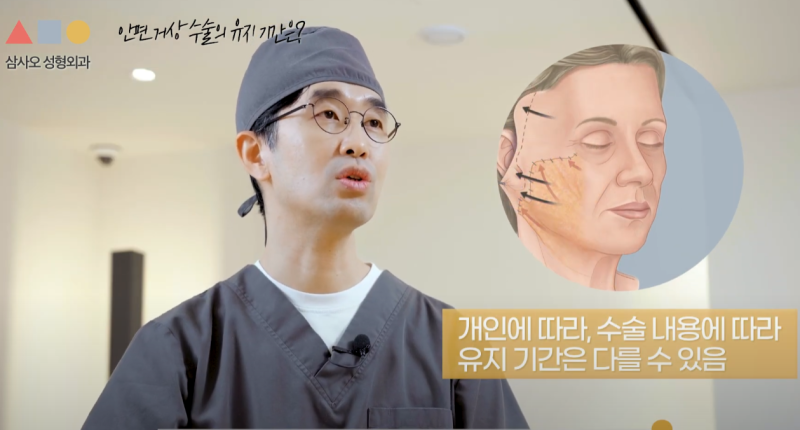
Facelift Maintenance Period: Why Individual Differences Occur
A facelift is a representative anti-aging surgery that can fundamentally improve skin sagging and collapsed facial contours that occur with age. However, it is difficult to give a uniform answer regarding the 'lifting maintenance period' that many people are curious about. This is because surgical results are highly dependent on an individual's biological conditions.
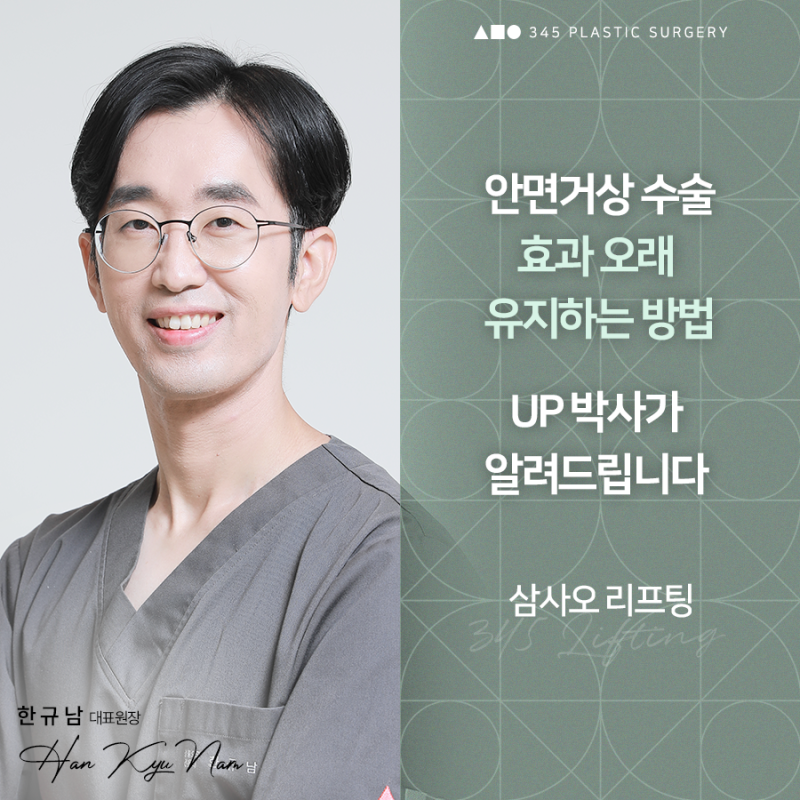
The longevity of a facelift is closely related not only to the surgeon's precise surgical technique but also to the patient's innate skin texture (characteristics of the skin tissue) and facial skeletal structure. The stronger the skin's supporting power, the better the effects can be maintained, and when these factors are in harmony, satisfactory results last longer.
Key Points for Maintaining Facelift Effects for a Long Time
To maintain the firm face achieved after surgery for a long time, the following management must be carried out in parallel.
- Consistent Weight Maintenance: Changes in facial volume directly affect skin sagging. If facial fat is lost due to rapid dieting or if the yo-yo effect repeats, the likelihood of the skin stretching again increases.
- Volume Management: If volume decreases as fillers or fat grafts are absorbed, the skin's supporting power weakens, which can accelerate sagging. Therefore, it is advisable to maintain an appropriate sense of volume.
Causes and Solutions for Re-sagging After Surgery
If you feel sagging over time despite having had facelift surgery, it is highly likely to be a structural issue.
1. Skeletal Limitations (e.g., Receding Chin)
Many Koreans have a skeletal structure with a small or receding lower jaw. If the bone structure to firmly support the skin is insufficient, the lifted tissue is prone to shifting downwards again. In this case, combining implant insertion or fat grafting to enhance the facial three-dimensionality helps improve the maintenance period.
2. Weak Skin Texture
If the skin tissue is exceptionally weak and highly elastic, the sutured area may stretch slightly over time. To compensate for this, a method of using a combination of absorbable and non-absorbable threads during surgery is sometimes utilized to increase the fixation strength.

Customized Solutions for a Successful Facelift
A facelift is not simply a surgery that pulls the skin tightly. The key is to meticulously analyze the patient's facial structure and the progression of aging to design 'how naturally and how long it can be maintained.'
Beyond simple incisions, planning complementary surgeries (such as fat grafting or implants) tailored to individual skin characteristics is essential to lower the concern of re-sagging and increase long-term satisfaction. At 345 Plastic Surgery, we help you achieve healthy and firm changes through customized lifting solutions that consider each patient's anatomical characteristics.

Frequently Asked Questions
How long does the lifting effect last after a facelift?
The duration of the lifting effect varies significantly depending on individual skin characteristics and bone structure. While the surgeon's skill is important, the stronger the patient's natural skin elasticity and the supporting strength of the facial bones, the better and longer-lasting the lifting effect can be.
What are the management methods to maintain the facelift effect for a long time?
Maintaining a consistent weight and managing appropriate facial volume are important. Be careful, as rapid weight fluctuations from dieting or reduced facial volume due to filler or fat graft absorption can weaken skin support and accelerate sagging.
Does a receding chin structure lead to a higher chance of sagging again after a facelift?
Yes, due to insufficient bone support, the lifted tissue tends to shift downwards again. For Koreans with a small or recessed jawbone structure, combining the facelift with implant insertion or fat grafting to enhance facial contours can help extend the duration of the effect.
Can people with delicate skin tissue also enhance the facelift effect?
Yes, the effect can be enhanced by supplementing the fixation method during surgery. If the skin is particularly delicate and highly elastic, with a risk of the sutured area stretching, a method using a combination of absorbable and non-absorbable threads is employed to strengthen the fixation.