2026-10-30
Can You Still Have Facial Contouring Surgery If You're Older? A Bone Expert Explains!
Age and thin bones do not automatically rule out facial contouring surgery. Before deciding, bone thickness, fusion speed, bone resorption risk, and soft tissue sagging should be evaluated.

Hello, this is Samsao Plastic Surgery Clinic.
When considering facial contouring surgery, not only the size and shape of the facial bones but also their thickness and condition are important factors.
So how do facial bones differ between men and women, and is contouring surgery possible for people with thin bones or those who are older?
Today, we will take a closer look at the differences between male and female facial bones, age-related changes in bone, and the points to keep in mind before contouring surgery.
Q. Do bone characteristics differ by gender?

In general, men tend to be larger than women, with longer limbs and thicker bones.
These differences also appear in the facial bones. In particular, during growth, facial bone structure develops under the influence of hormones associated with secondary sexual characteristics.
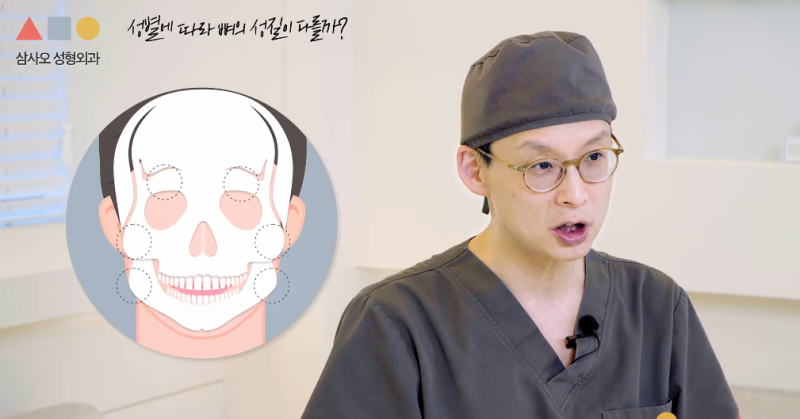
The cheekbones and jawbone grow and thicken, and the brow bone also develops, giving the face its masculine features.
As the cheekbones and jaw grow larger and the brow bone develops, the overall contour of the face becomes more defined.
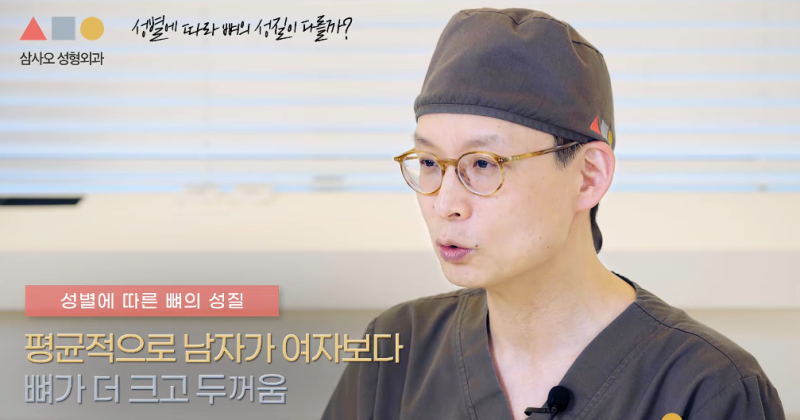
Through this growth process, bone thickness increases further, so on average, men's facial bones tend to be larger and thicker than women's.
Q. Do thin bones limit contouring surgery?
Having small or thin facial bones does not necessarily mean contouring surgery is impossible.
However, when the bones are small and thin, the range of changes that surgery can achieve may be relatively limited.
That said, if the bone itself is small, there may be less bone that needs to be removed, so surgery should not be judged difficult based on bone size alone.
For example, even if the bone is thin, when the jaw angle sits low, the angle can be changed by removing that portion.
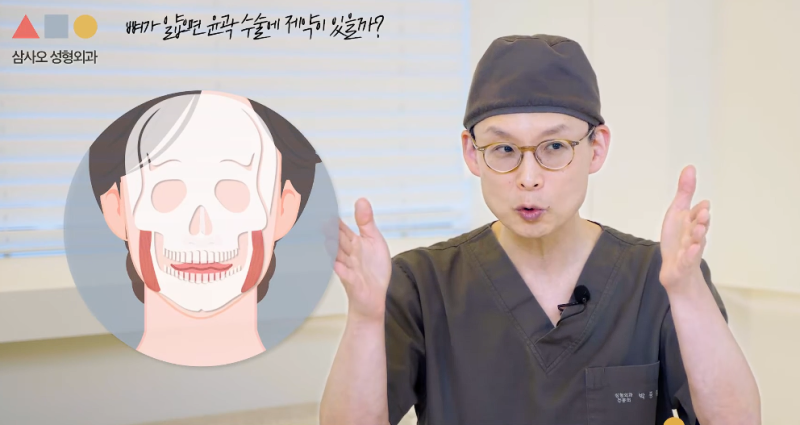
Also, even with thin bones, the width of the face can be narrowed slightly by trimming the cortical bone.
If the cortical bone is thin, reducing the muscles on the outer surface of the bone can also be considered as a way to narrow the face.
As such, the methods that can be applied vary depending on each person's skeletal condition. Thin bones mean the amount that can be reduced is relatively limited, but that does not necessarily mean surgery is impossible.
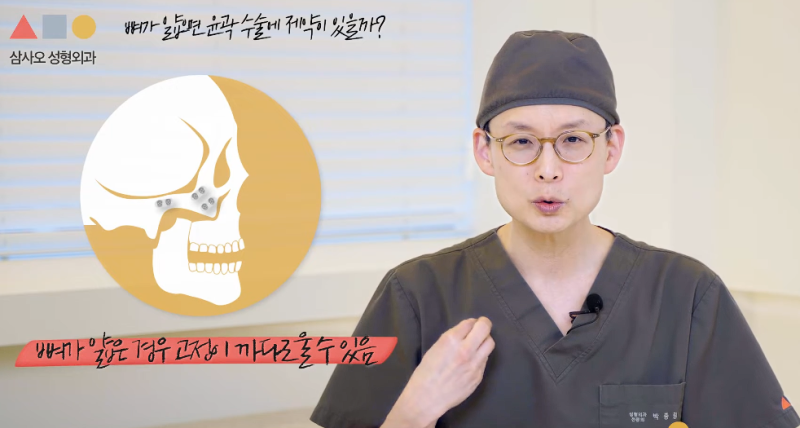
However, in zygomatic reduction surgery (cheekbone reduction), there are points to watch for depending on bone thickness.
When the cheekbone is thick and strong, it can be fixed relatively securely after surgery.
On the other hand, when the bone is very thin, fixation strength may not be sufficient, so securing it during surgery can become more difficult.
Therefore, in zygomatic reduction surgery, it is important to consider not only how much bone can be removed, but also bone thickness and fixation status.
Q. Is contouring surgery possible even if you are older?
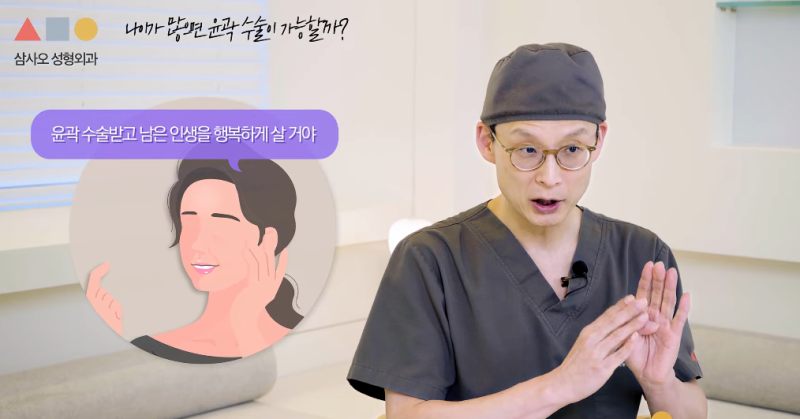
Age alone does not make facial bone surgery impossible.
In fact, compared to the past, more people in their middle and later years are considering contouring surgery.
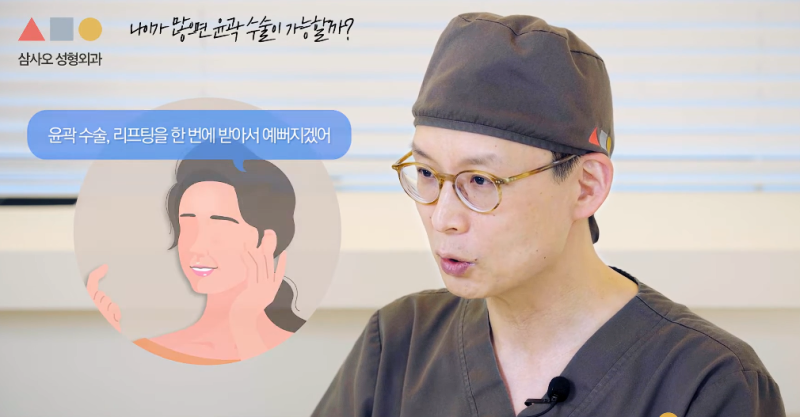
This is because there is a growing awareness of actively managing one's appearance in the 40s, 50s, and beyond, and more people are hoping to improve their looks by combining contouring surgery with lifting procedures.

However, there are also considerations to keep in mind as age increases.
Compared with younger patients, bone may take longer to fuse, and bone resorption may occur during recovery.
You should also be mindful of skin and soft tissue sagging that can occur after contouring surgery.
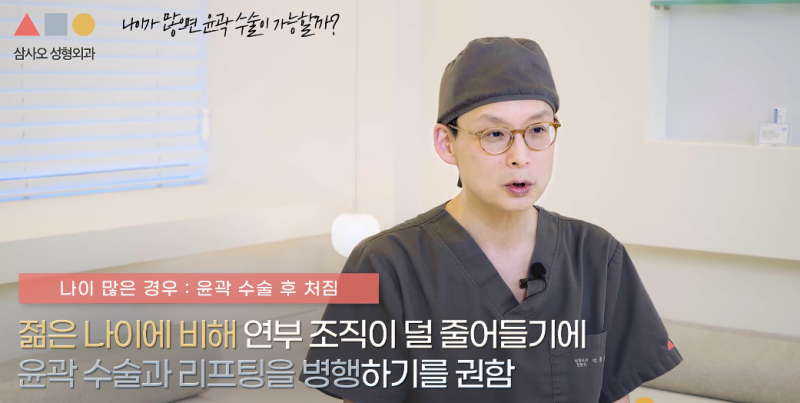
Generally, when the size of the facial bone is reduced, the surrounding soft tissue adapts to the changed bone structure and shrinks along with it.
However, as we age, this adaptive ability may decline, so the possibility of soft tissue becoming loose or sagging should be considered even more carefully.
Q. Do bone characteristics change with age?
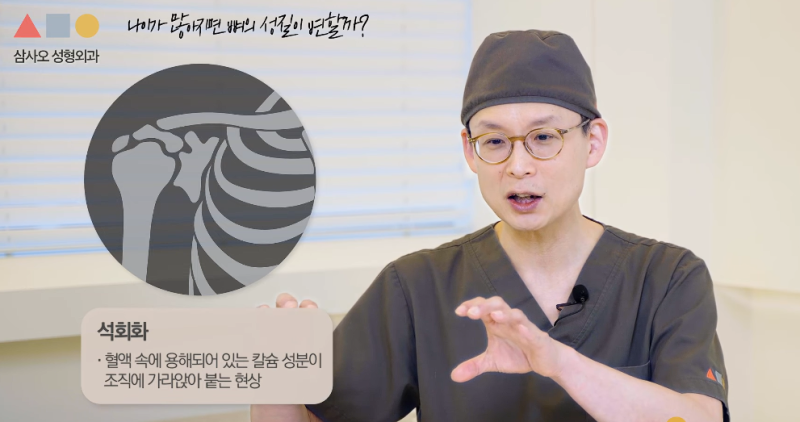
Facial bone characteristics also change as we age.
In fact, there is a difference between the bones of people in their 10s and 20s and those of people in their 50s and 60s.
Bone in younger people tends to be relatively soft, and there is also a difference in the texture felt when the bone is cut during surgery.
In contrast, as we age, progressive calcification makes bone gradually harder and potentially more brittle.

However, these changes do not begin suddenly at a specific age.
There is no clear age at which bone aging begins, and the changes occur continuously as we progress from our 20s onward.
For women in particular, changes that occur after menopause also require attention.
During menopause, calcium metabolism changes, which can lead to an increase in osteoporosis.
If osteoporosis worsens after menopause, bones can become even weaker, and the rate of bone fusion after surgery may also slow down.
Therefore, when bones have weakened due to osteoporosis, it is important to thoroughly check this condition and take care before surgery.
Differences between male and female facial bones can emerge during growth, and as we age, changes can also occur in bone characteristics and in the body's ability to recover.
However, there is no need to give up on contouring surgery or to worry excessively just because you are older or have thin bones.
What matters most is accurately determining the current condition of your facial bones.
If you are thinking about contouring surgery, please check which method is right for you through a thorough examination and consultation 💙
Thank you 😉



Frequently Asked Questions
Do facial bones differ in size and thickness between men and women?
Yes, men's facial bones generally tend to be larger and thicker than women's. The article explains that during growth, hormones associated with secondary sexual characteristics cause the cheekbones and jawbone to grow larger and the brow bone to develop, creating masculine facial contours.
Can't I have contouring surgery if my bones are thin?
No, having thin facial bones does not necessarily make surgery impossible. However, when bone size and thickness are small, the range of changes that can be made may be relatively limited. For example, if the jaw angle sits low, that area can be resected to change the angle, and the width of the face can be narrowed slightly by trimming the cortical bone.
Can I have contouring surgery even if I am older?
Age alone does not make facial bone surgery impossible. However, as age increases, bone takes longer to fuse, and there is a possibility of bone resorption during recovery. Attention should also be paid to sagging of the skin and soft tissue.
Do facial bone characteristics change with age?
Yes, facial bone characteristics change as we age. Bone in people in their 10s and 20s tends to be relatively soft, while with age, progressive calcification makes bone harder and more brittle. However, these changes do not begin suddenly at a specific age; they occur gradually starting in your 20s.
What should women who have gone through menopause be aware of before contouring surgery?
If osteoporosis has worsened after menopause, it is important to thoroughly check this condition and take care before surgery. Menopause causes changes in calcium metabolism, which can increase osteoporosis, and weakened bones can slow the rate of bone fusion after surgery.
Why is bone thickness important in zygomatic reduction surgery?
In zygomatic reduction surgery, thick bone allows for relatively secure fixation, while very thin bone can make fixation more difficult. Therefore, it is important to consider not only how much bone can be reduced, but also bone thickness and fixation status.