2026-06-04
Breast Ptosis Surgery: Causes, Self-Diagnosis, and the Right Correction Method for You
Discover the causes of breast sagging due to pregnancy, childbirth, aging, or rapid weight changes, along with self-diagnosis methods. From volume enhancement using implants to periareolar, vertical, and inverted-T incision mastopexy, explore customized breast ptosis surgery methods tailored to your degree of sagging and lifestyle habits for prevention.
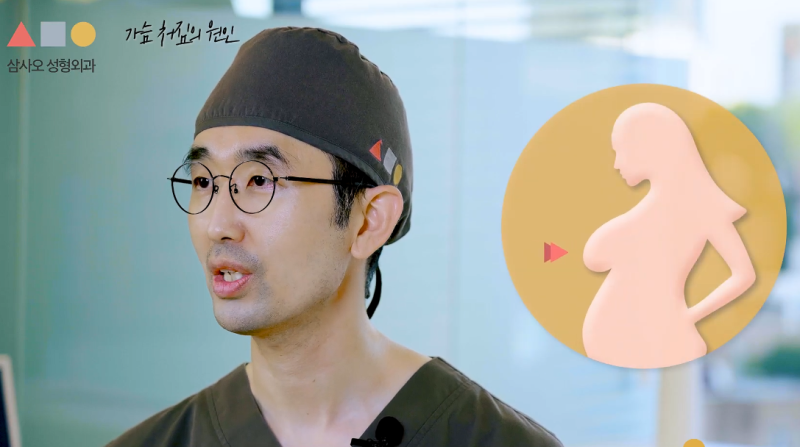
Main Causes of Breast Sagging: Why Does Elasticity Decrease?
Breast sagging (ptosis) is caused not only by aging but also by various physical changes. The sagging phenomenon can be especially more pronounced if you have a certain amount of breast volume.
- Pregnancy and Childbirth: As breast tissue repeatedly expands and contracts, skin elasticity decreases, leaving it in a stretched state.
- Volume Loss: When mammary gland tissue decreases due to menopause or fat tissue shrinks from rapid dieting, the internal volume becomes insufficient compared to the outer skin envelope, resulting in sagging (breast ptosis).
- Weakening of Support Structures: As the muscles and ligaments supporting the lower part of the breast weaken, they become more susceptible to the effects of gravity.

Breast Ptosis Self-Diagnosis: What to Check Before Visiting a Clinic
At a medical clinic, the degree of ptosis is determined through a precise examination measuring the distance from the collarbone to the nipple and areola, as well as the proportion relative to the inframammary fold (breast crease). The criteria you can easily check at home are as follows:
- Checking the Inframammary Fold: If the breast crease is clearly visible and not covered when you spread your arms to the sides, it is highly likely that the sagging is not severe.
- Nipple Position: If the nipples are located below the inframammary fold or are pointing downward rather than forward, you may need a consultation for a breast lift (mastopexy).
Comparison of Breast Ptosis Surgery Methods by Degree of Sagging
Depending on the cause of sagging and the skin's elasticity, surgical methods are broadly divided into three directions. It is important to find the method most suitable for you.
| Category | Target Candidate | Surgical Characteristics |
|---|---|---|
| Implants Only | Mild sagging primarily caused by volume loss | Inserts implants to stretch the skin taut |
| Mastopexy (Lift) Only | Sufficient volume but with sagging | Lifts tissue through periareolar, vertical, or inverted-T incisions |
| Implants + Mastopexy | Accompanied by both lack of volume and severe sagging | Simultaneously performs volume enhancement and ptosis correction |
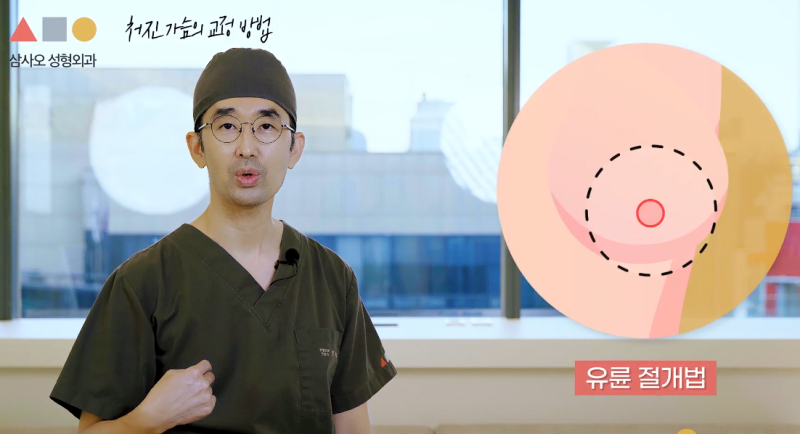
Differences by Incision Method
- Periareolar Incision: Makes an incision around the areola to minimize scarring and correct mild sagging.
- Vertical Incision: Makes an incision around the areola and vertically down to effectively improve moderate to severe sagging.
- Inverted-T Incision: A traditional method performed when sagging is very severe and a large amount of skin needs to be removed.
Proper Lifestyle Habits to Prevent Breast Sagging
While already progressed sagging must be corrected surgically, you can slow down the progression rate through daily habits.
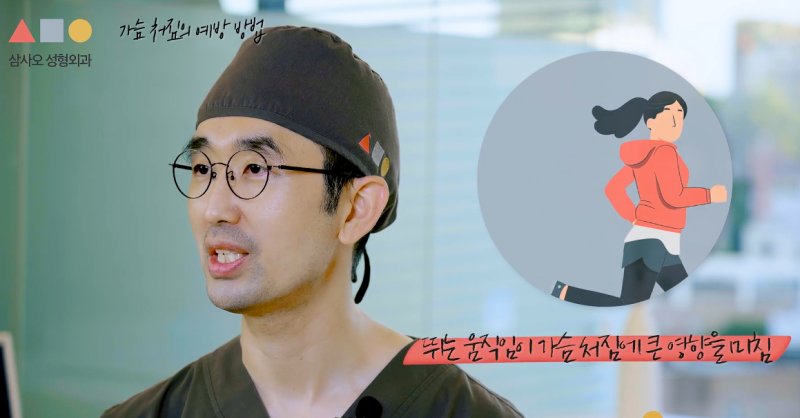
- Wearing a Sports Bra: During vigorous exercises like running, you must wear a dedicated bra that supports breast bounce to prevent ligament stretching.
- Proper Weight Management: Rapid dieting with repeated yo-yo effects drastically reduces skin elasticity, so gradual weight loss is necessary.
- Posture Correction: Slouching can negatively affect the breast support muscles, so maintaining good posture is helpful.
Since breast conditions and causes of sagging vary from person to person, please decide on a method that can reduce the burden of scarring and create a natural line through thorough consultation with experienced medical professionals.
Frequently Asked Questions
What are the main causes of breast ptosis?
Yes, breast ptosis can occur due to various causes other than aging. The main causes include decreased skin elasticity due to pregnancy and childbirth, volume loss due to menopause or rapid dieting, and weakening of the muscles and ligaments that support the breasts.
Can I self-diagnose breast ptosis at home?
Yes, you can easily self-diagnose. If your inframammary fold is visible and not covered when you spread your arms to the sides, or if your nipple is below or pointing downwards from the inframammary fold, you can consider it ptosis.
What types of breast lift surgeries are there?
Breast ptosis surgery is broadly divided into three methods. For mild ptosis where volume loss is the main cause, breast implant insertion alone is used; for cases with sufficient volume but only ptosis, a mastopexy alone; and for cases with both insufficient volume and severe ptosis, a combination of implants and mastopexy is performed.
Are there lifestyle habits that prevent breast ptosis?
Yes, you can slow down the progression of breast ptosis through daily habits. Wearing a sports bra during strenuous exercise to prevent ligament stretching, appropriate weight management without yo-yo effect, and maintaining good posture are helpful.
What are the incision methods for breast ptosis surgery?
The incision method for breast ptosis surgery varies depending on the degree of ptosis. For mild ptosis, an periareolar incision; for moderate to severe ptosis, a vertical incision; and for very severe ptosis, an inverted-T incision method may be applied.