2026-06-04
4 Things You Must Know Before Facial Contouring Surgery: A Core Guide to Reducing Worries About Side Effects
Facial contouring surgery deals with facial bones, making precise planning essential. This article provides a detailed explanation based on medical evidence regarding cases where surgery is not recommended, the importance of nerve preservation, realistic goals for improving asymmetry, and the cheek sagging phenomenon that many people worry about.
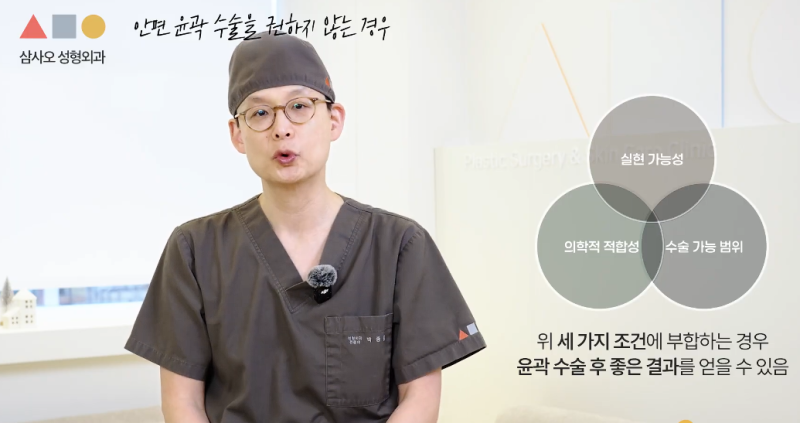
Hello, this is 345 Plastic Surgery. Among the patients who visit us considering facial contouring surgery, many have concerns ranging from the necessity of the surgery to side effects like cheek sagging or nerve damage. Today, focusing on the core questions patients ask most frequently during actual consultations, we have summarized the factors you need to consider for a safe and highly satisfying surgery.
1. Facial Contouring Surgery is Not the Right Answer for Everyone
As a board-certified plastic surgeon, when deciding whether or not to recommend surgery, I first consider the patient's expectations and the realistic possibility of achieving them.
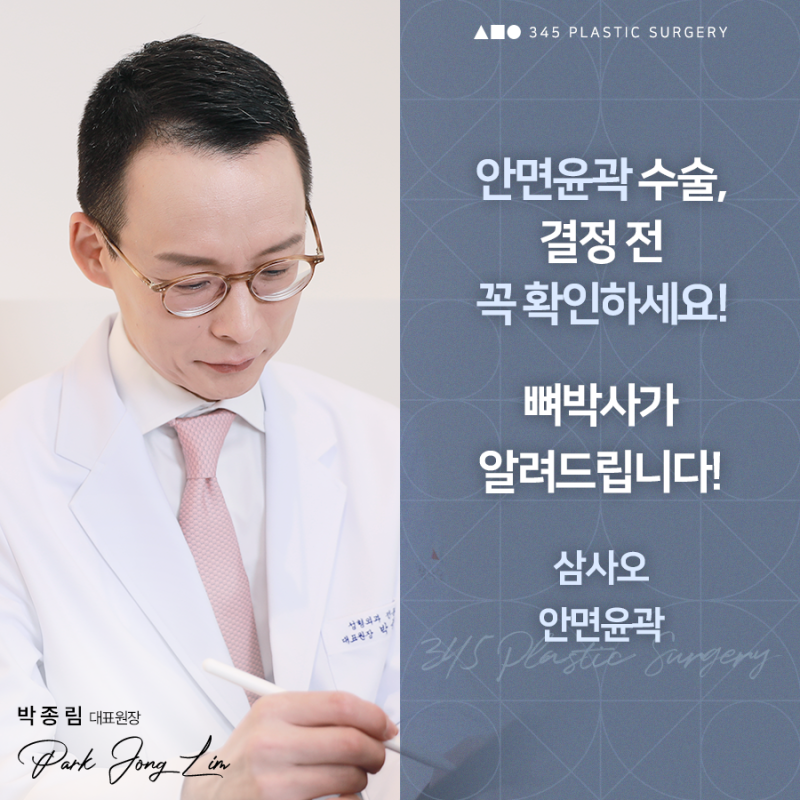
3 Criteria for Determining Whether to Recommend Surgery:
- Effectiveness: Will the surgery actually provide meaningful help in improving the patient's facial shape?
- Direction: Do the aesthetic standards desired by the patient align with universal harmony?
- Feasibility: Is it within a range that can be medically and safely achieved?

If the necessity for surgery is objectively low, or if you desire excessive surgery that is not harmonious with your current face, we advise you to reconsider carefully. Additionally, if the bone structure makes the surgery unsuitable, we recommend other alternatives rather than forcing the procedure.
2. The Structure to Be Most Careful With During Surgery: The Importance of Nerve Preservation
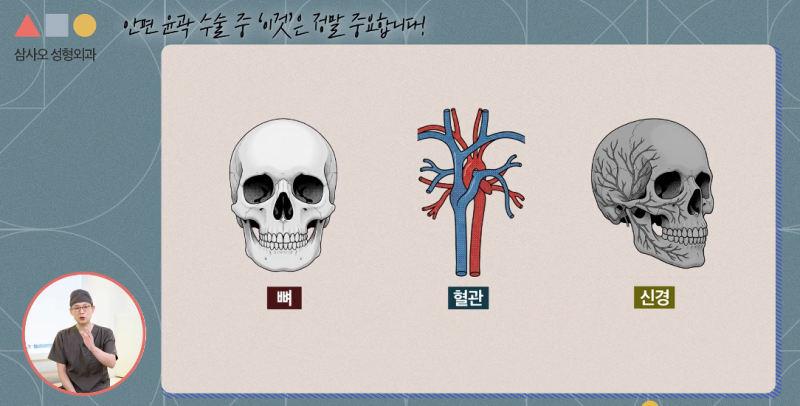
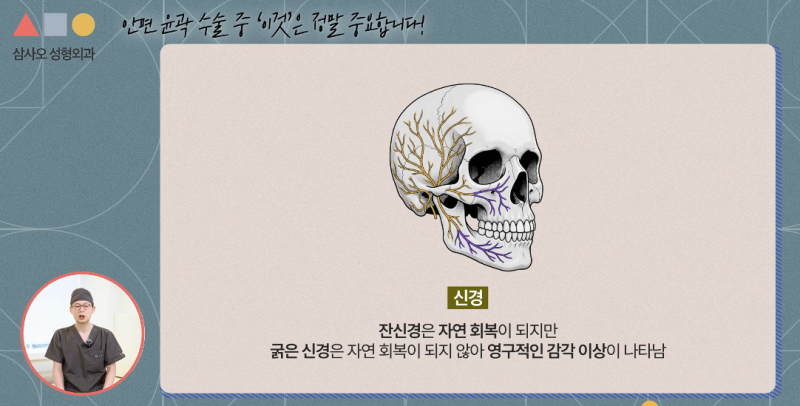
During facial contouring surgery, bones, blood vessels, and nerves are all important, but their management priorities during the surgical process differ. Large blood vessels must be handled with care, but they are rarely damaged, and bones can be managed in unexpected situations by firmly fixing them.

However, nerves are different. While fine nerves may recover over time, if a major nerve is damaged, sensory loss can persist for a long time. Therefore, this is the area where the operating surgeon must approach with the utmost delicacy based on anatomical knowledge.
3. Improving Facial Asymmetry: 'Harmony' Takes Priority Over 'Perfection'
Facial asymmetry is not simply a matter of one side being larger or smaller. This is because it often involves a complex entanglement of facial axis deviation, height differences, and volume disparities.
Realistically, there are limits to completely straightening a curved bone or newly enlarging a small bone. Therefore, the goal of improving asymmetry through facial contouring is set on 'harmoniously refining it so the asymmetry is unnoticeable' rather than 'perfect symmetry.' The core of the surgical plan is to achieve overall balance while creating a small, slender facial shape.

4. Cheek Sagging After Facial Contouring: Is It an Inevitable Phenomenon?
Many people think that if the bone is shaved, the skin will lose its support and inevitably sag. However, in reality, severe sagging immediately after surgery occurs much less frequently than expected.

The skin and soft tissue of our face have a certain ability to adapt to changes in the skeletal structure. As the skeleton is reduced, the surrounding tissues are repositioned accordingly. Therefore, visible sagging is rare if the individual's skin elasticity is good.

However, if the original skin elasticity is very low or there is an excessive amount of soft tissue, sufficient diagnosis and consultation must precede as a preventive measure. Facial contouring surgery is not something to be overly feared if there is adequate diagnosis and communication with an experienced surgeon. We encourage you to start by finding the most suitable direction for yourself.




Frequently Asked Questions
Can anyone undergo facial contouring surgery?
No, it is not recommended for everyone. A plastic surgeon comprehensively evaluates the efficacy of the surgery, the patient's desired aesthetic direction, and medical feasibility to make a decision. If the need for surgery is minimal or the demands are unreasonable, other alternatives are recommended.
Is there a risk of nerve damage during surgery?
Great caution is required as damage to major nerves can lead to long-lasting sensory impairment. Unlike bones or blood vessels, nerves are difficult to recover, so the core of the surgery is the most delicate approach and preservation based on the surgeon's anatomical knowledge.
Can facial contouring perfectly correct facial asymmetry?
No, there are realistic limitations to creating perfect symmetry. Since facial axis misalignment and volume differences are complexly intertwined, the surgery aims to balance and harmoniously arrange the overall face so that asymmetry is not noticeable.
Does bone reduction always cause cheek sagging?
No, it does not always occur. When the bone structure is reduced, the surrounding skin and soft tissues also redistribute and adapt accordingly. If an individual's skin elasticity is good, severe sagging is rare, but if elasticity is low, a preventive diagnosis and consultation are necessary.