2026-06-04
3 Things to Check When Comparing Facelift Reviews (SMAS Layer, Recovery Period, Combined Surgeries)
A facelift, which improves decreased skin elasticity and a collapsed jawline, requires a precise approach beyond simple skin pulling. In this article, our professional editor analyzes the key elements you must look for in facelift reviews, from the importance of SMAS (fascia layer) dissection and setting customized surgical scopes to a stable recovery system.

Collapsing Facial Lines with Age: When is a Facelift Needed?
One of the most noticeable changes as we age is the decline in skin elasticity. As nasolabial folds deepen and the jawline collapses, the entire face can easily give off a sagging impression. In the early stages, you might consider thread lifting or laser treatments, but if the sagging is extensive and deep, a structural approach like a Facelift can be a more effective alternative.
Why the 'SMAS Layer' is Frequently Mentioned in Facelift Reviews
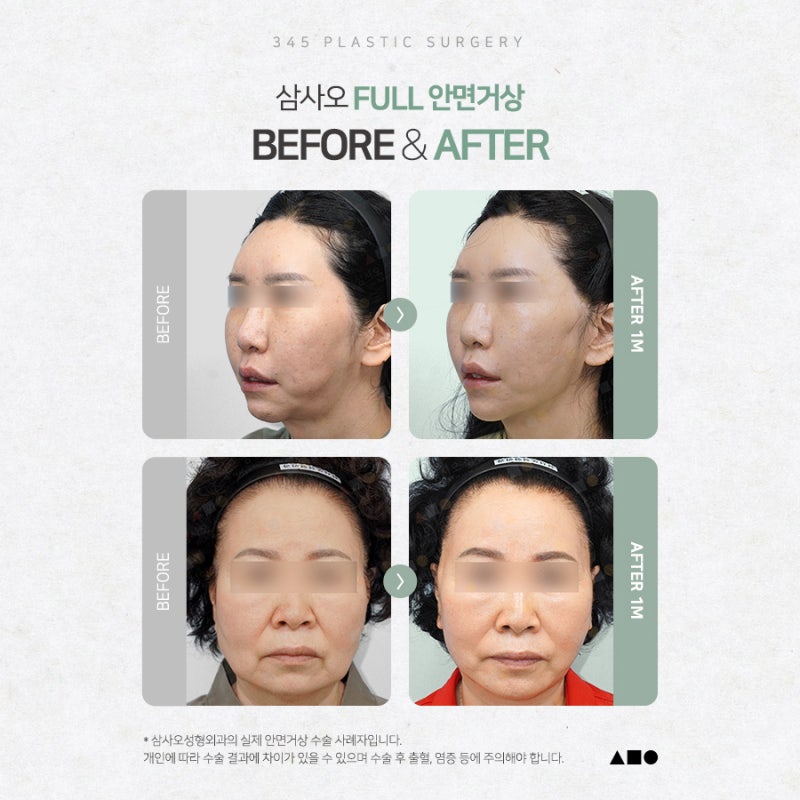
A surgery that merely pulls the outer surface of the skin carries the risk of unnatural facial expressions or effects that quickly fade. The common denominator among highly satisfying facelift reviews lies in how precisely the SMAS (Superficial Musculoaponeurotic System) is handled.
The Core Process of a FULL Facelift
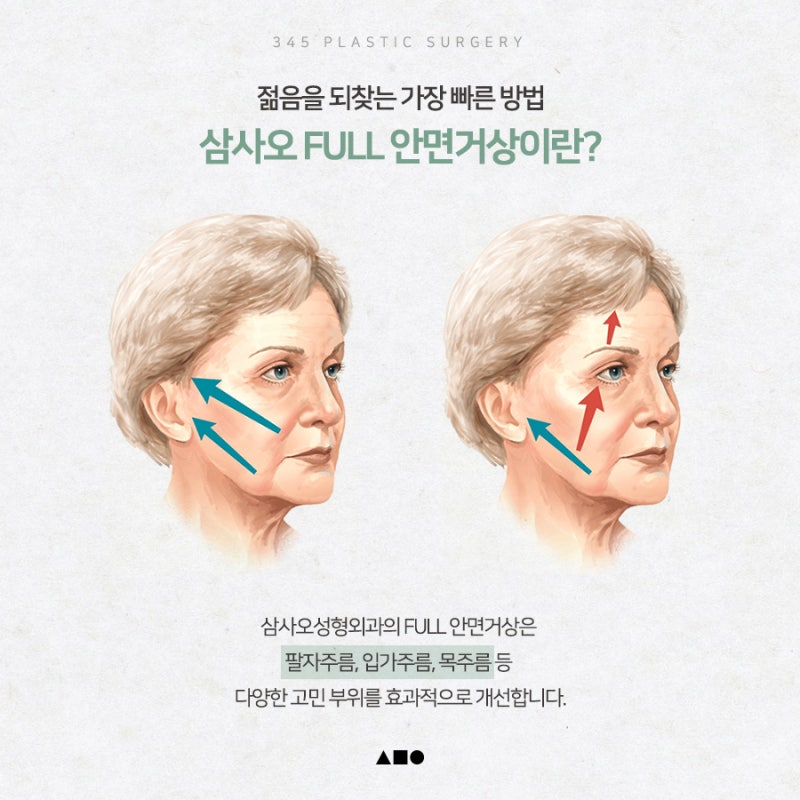
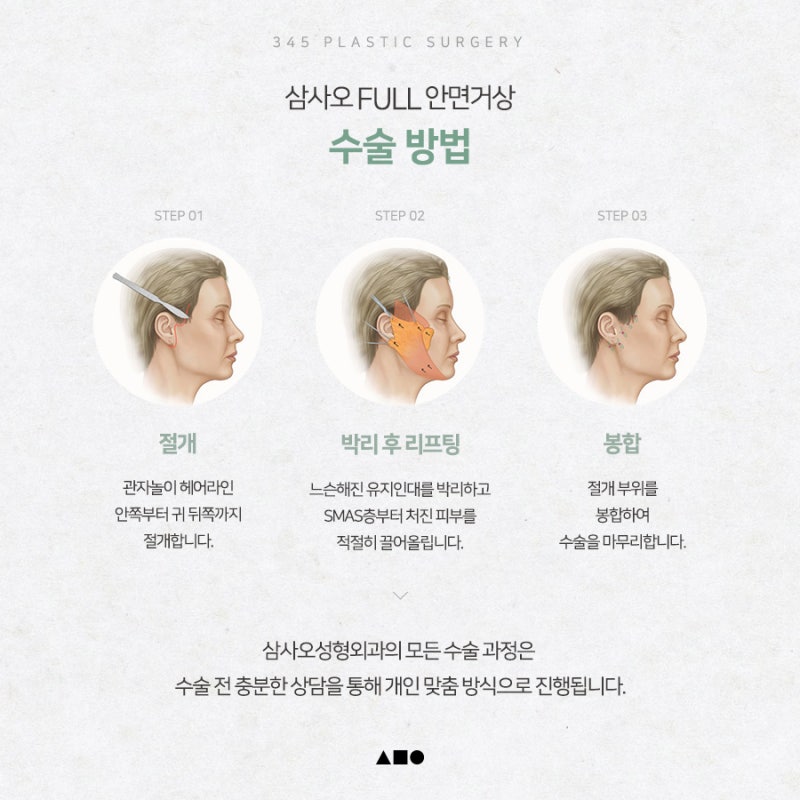
- Separation of Retaining Ligaments and Fascia Layer: By separating the subcutaneous tissue and the fascia layer, the fundamental cause of sagging is addressed.
- Re-establishing Directionality: Tissues that have sagged downwards are precisely lifted and secured back to their original positions.
- Meticulous Suturing: Incisions are made along the hairline around the ears to minimize scarring and promote natural recovery.
Standalone vs. Combined Surgery: Which is the Right Choice for Me?
Because the speed and areas of aging differ for each individual, the results can vary even with the same facelift procedure. When analyzing facelift reviews, it is important to find cases that match your specific areas of concern.
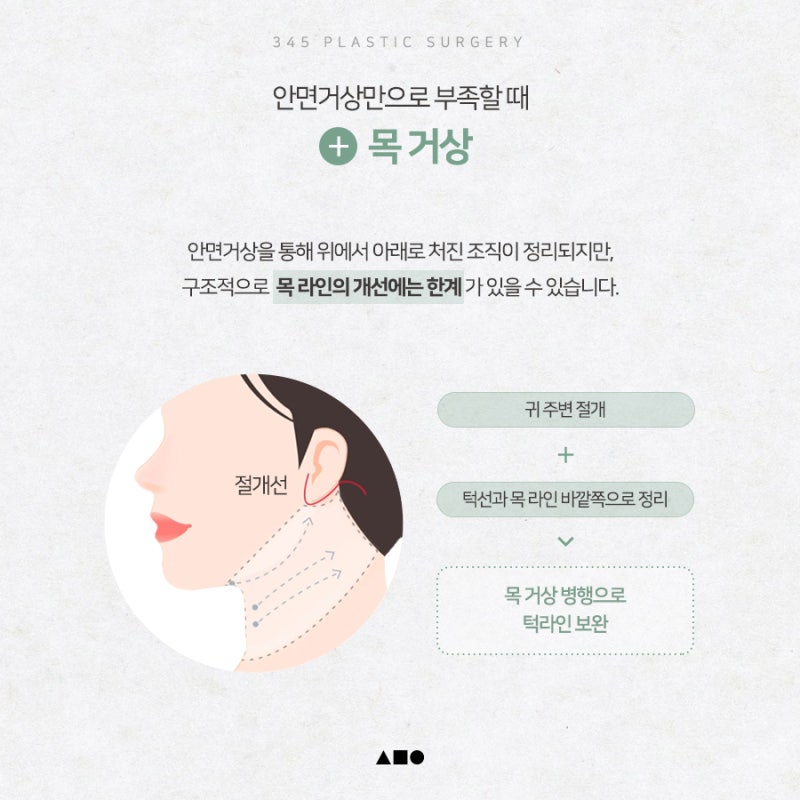
| Area of Concern | Recommended Combined Surgery | Expected Effect |
|---|---|---|
| Double chin and neck wrinkles | Neck Lift | Improvement of the boundary between the jawline and neck |
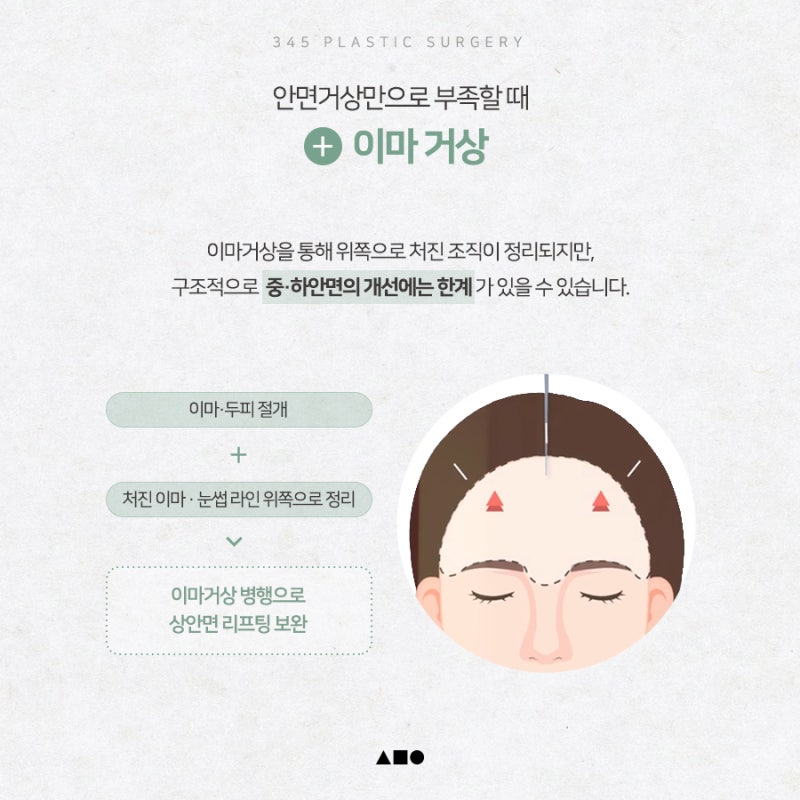
| Sagging eyebrows and forehead wrinkles | Forehead Lift | Refreshed eyes and upper face lifting |
| Nasolabial folds and lower face sagging | FULL Facelift | Refinement of mouth wrinkles and collapsed jowls |
Safety and Recovery Systems Are as Important as the Results
As a facelift is a highly difficult surgery, you must consider not only the immediate changes after surgery but also long-term stability. For a satisfactory outcome, be sure to check the following points.
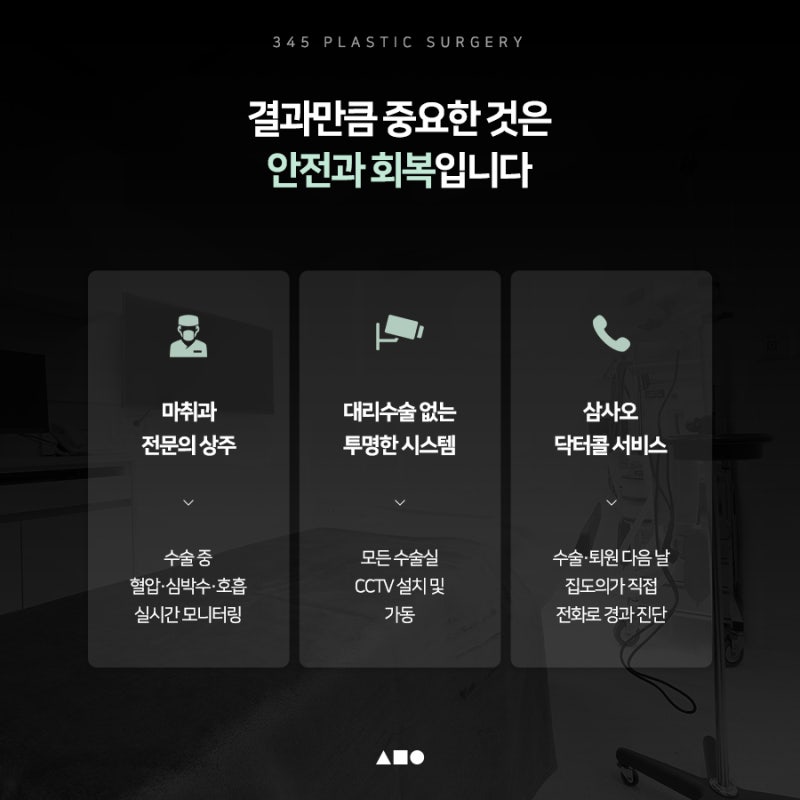
- In-house Anesthesiologist: Ensure that safety during surgery is secured through real-time monitoring.
- Systematic Aftercare: Check if there is a system in place to manage post-operative swelling and bruising, and to help scars heal properly.
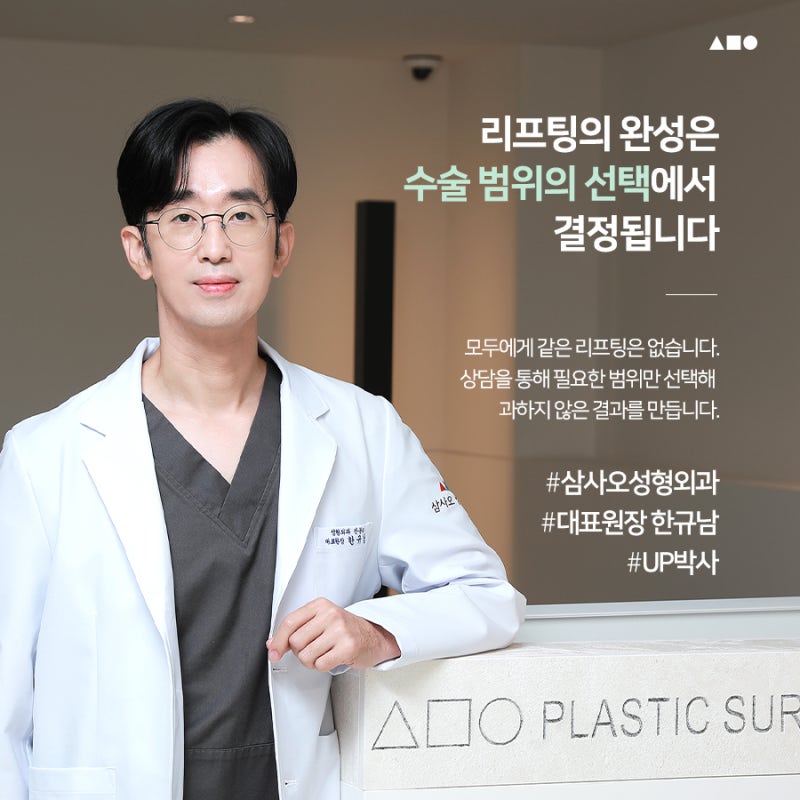
- Avoiding Overtreatment: The surgery should not just blindly pull the skin as much as possible, but rather be performed within a range that does not disrupt the harmony of the individual's facial features.
Conclusion: The Completion of a Natural Lift
The perfection of a facelift depends not on 'how hard it is pulled,' but on 'which areas are repositioned and how.' Through sufficient consultation with the medical staff, we hope you accurately understand your skin thickness and degree of sagging to aim for natural results that are not overdone.
Frequently Asked Questions
When should I consider a facelift?
Yes, a facelift can be an effective alternative when there is extensive and deep sagging that is difficult to improve with initial thread lifts or laser treatments. You can consider it if you have deep nasolabial folds or a collapsed jawline due to severe loss of skin elasticity.
Why is the SMAS layer important in a facelift?
Yes, the SMAS (superficial musculoaponeurotic system) layer is a crucial part that needs to be handled precisely to prevent an unnatural facial expression or a quickly disappearing effect, and to achieve highly satisfactory results, rather than just pulling the outer skin. It is essential for addressing the fundamental cause of sagging.
What is the process of a facelift?
Yes, a facelift involves separating the retaining ligaments and fascial layer to address the root cause of sagging, and precisely lifting and fixing the sagging tissues back to their original position. Afterward, meticulous suturing along the hairline around the ear helps minimize scar burden and promotes natural recovery.
Can other surgeries be combined with a facelift?
Yes, complementary surgeries can be considered depending on the individual's aging progression and areas of concern. For example, combining a neck lift for a double chin and neck wrinkles, or a brow lift for sagging eyebrows and forehead wrinkles, can lead to more satisfactory results.
What should I check for safe recovery after a facelift?
Yes, given the high difficulty of the surgery, it is important to confirm that an anesthesiologist is present to ensure safety during the operation, and that a systematic post-operative care system is in place for managing swelling, bruising, and scars. Also, check if they avoid excessive treatment.