2026-06-04
Is It a Side Effect After Zygoma Reduction? A Guide to 6 Normal Symptoms During Recovery
This post explains in detail whether symptoms like sensory loss, cheek hollowing, and nosebleeds after zygoma reduction are side effects or normal recovery reactions. We outline the causes and solutions based on anatomical structures like the infraorbital nerve and retaining ligaments, from the perspective of a board-certified plastic surgeon.

Anxiety After Zygoma Reduction: Is It a Side Effect or Normal?
Recently, many people are choosing Zygoma Reduction to achieve a slimmer, softer facial contour. However, looking in the mirror or feeling physical changes right after surgery can cause anxiety about potential side effects. Most of the various symptoms that appear after cheekbone surgery are actually natural recovery processes resulting from anatomical structural changes. Today, we will look into the causes of the 6 most frequently asked symptoms by our patients.

1. Sensory Loss in the Front Cheek and Lips: Recovery of the Infraorbital Nerve
One of the areas requiring the most caution during zygoma surgery is the 'infraorbital nerve.' This nerve is responsible for the sensation from the front cheekbone down to the lips and gums. During the surgical process, as surrounding tissues are dissected to secure visibility, this nerve may be temporarily stretched.
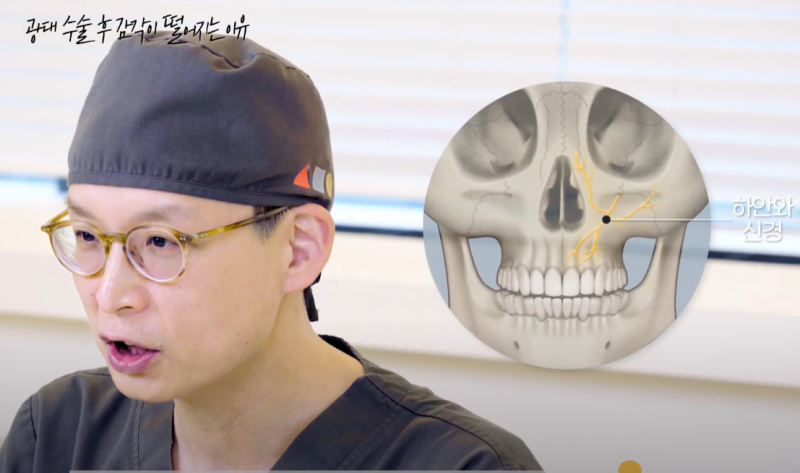
Unless the nerve is directly severed or severely damaged, this temporary sensory loss gradually improves over time. The 'feeling like someone else's skin' frequently mentioned in zygoma surgery reviews is one of the common phenomena that occur during this process.
2. Cheek Hollowing After Surgery: Tension in the Retaining Ligaments
Our face has firm tissues called 'retaining ligaments' that connect and support the skin and bones. When surgery is performed to move the cheekbones inward, these retaining ligaments are pulled along with them, which can cause the surface of the skin to temporarily look hollowed or dimpled.
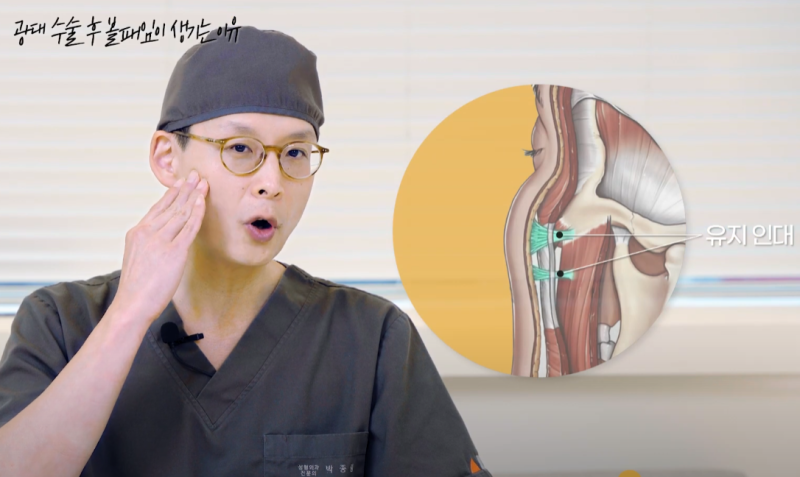
In most cases, this is prevented by appropriately adjusting the retaining ligaments during surgery, but a slight hollowing may remain depending on the individual's skin elasticity or ligament tension. In such cases, it can be fully supplemented with fillers or fat grafting after the recovery period, so we recommend consulting with a specialist.
3. Nosebleeds and Watery Discharge: Effects of the Sinus and Anesthesia
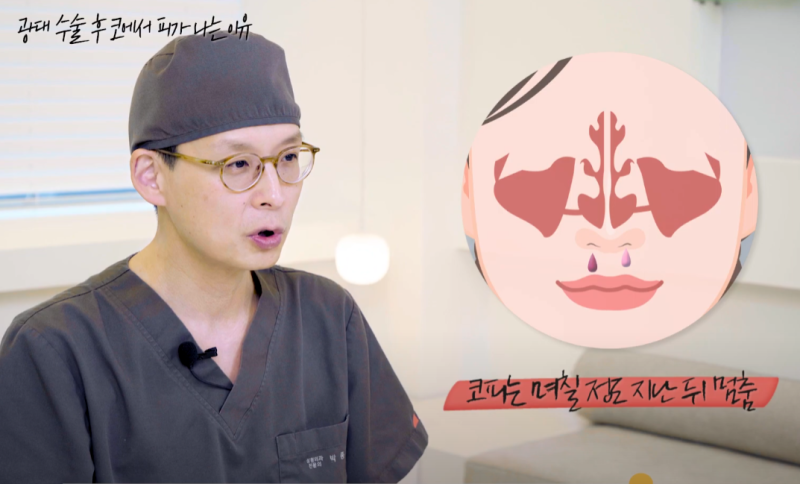
Symptoms of blood-tinged discharge from the nose after surgery can largely be attributed to two causes. The first is mucosal irritation caused by the tube inserted during anesthesia. This stops quickly, just like a regular nosebleed.
The second is when the sinus (the empty space inside the facial bones) adjacent to the cheekbone is temporarily opened during surgery. Saline solution or antiseptics used for irrigation during surgery may pool and mix with a watery nosebleed for a few days, but this shows a favorable progression and naturally stops within a few days.
4. Stepping Sensation and Scar Reaction in Front of the Ear
When the zygomatic arch is osteotomized and pushed inward, the bone's position shifts, and you may feel a slight step-off when touching it. This is not the bone protruding, but rather feeling the area that has moved inward. Additionally, during the process where the scar tissue at the incision site hardens, it may temporarily feel like a protrusion, but it will gradually soften over several months.
5. Asymmetry in the Position of Left and Right Fixation Screws
Some patients question why the positions of the screws or the shapes of the plates on the left and right are different after taking an X-ray. The principle of fixation in zygoma surgery is not 'symmetrical insertion' but 'selecting the most stable fixation position.' Since each patient has slightly different bone density and bone shape on the left and right, finding the strongest point for fixation can result in different screw placements on each side.
6. Bulging of the Temples: Pressure from Buccal Fat
When the cheekbones are pushed inward, the internal space of the face decreases, putting pressure on the 'buccal fat' located beneath them. Buccal fat is widely distributed up to the temple (temporal) area, so as the pressure disperses, the upper part may temporarily look bulging. This improves as the swelling goes down, but if necessary, it can be corrected later by removing a small amount of buccal fat.

These phenomena that appear after zygoma surgery generally correspond to the normal healing process. However, since recovery speed varies for each individual, if symptoms worsen or you feel highly anxious, it is safest to visit the clinic where you had the surgery for a regular check-up.
Frequently Asked Questions
After cheekbone surgery, the sensation in my front cheeks and lips feels dull. Is this normal?
Yes, this is a normal part of the recovery process. During surgery, to secure the visual field, the infraorbital nerve may be temporarily stretched as surrounding tissues are dissected, leading to reduced sensation. If the nerve is not directly damaged, sensation will gradually return over time.
I developed sunken cheeks after surgery. What should I do?
You can supplement this with fillers or fat grafting after the recovery period. When the cheekbones are moved inward, the retaining ligaments connecting the skin and bone may be stretched, temporarily making the cheeks appear sunken. Since subtle indentations may remain depending on individual skin elasticity, consult with a specialist.
I'm having nosebleeds after cheekbone reduction surgery. Is this a side effect?
No, this is generally a benign symptom that stops naturally. Mucosal irritation from the anesthesia tube or temporary opening of the sinuses during surgery can cause accumulated saline to mix with blood and exit. It will stop within a few days, so you don't need to worry too much.
I had an X-ray and the left and right fixation screw positions are different.
Yes, this is a normal result. The principle of cheekbone surgery fixation is not symmetry, but selecting the most stable and robust position. Since each patient has different bone density and bone shape on the left and right, the screw placement may appear asymmetrical.
Why does my temple area look swollen after surgery?
This is a temporary phenomenon caused by the compression of deep cheek fat. As the cheekbones move inward, the internal space decreases, pushing the deep cheek fat upwards, which can make the temples appear swollen. This improves as swelling subsides, but can be corrected with fat removal if necessary.