2026-06-04
The Effects and Surgical Methods of 'Zygoma-Lifting' to Prevent Cheek Sagging After Cheekbone Reduction
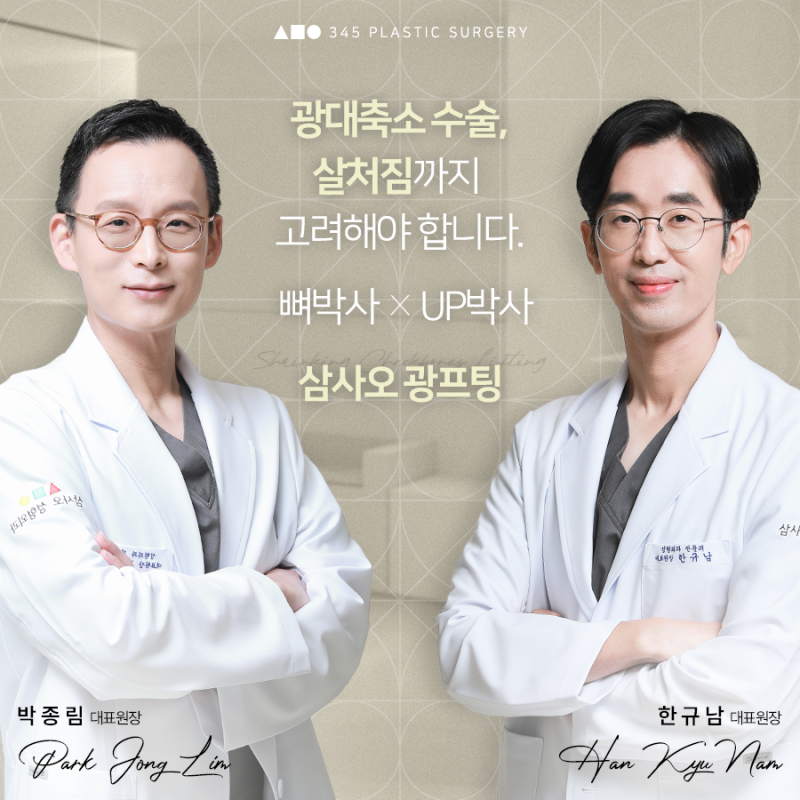
We introduce 'Zygoma-Lifting,' a surgical method designed to prevent skin sagging that can occur after cheekbone reduction surgery. We have compiled the principles of this combined lifting surgery, which helps the skin adhere smoothly to the area where bone volume has been reduced, along with the necessity by age group from a specialist's perspective.
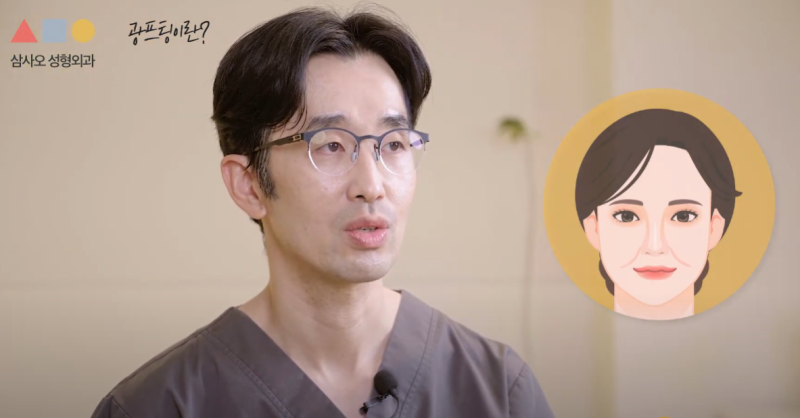
The Fundamental Cause of Skin Sagging After Cheekbone Reduction Surgery
Among Asians, cheekbone reduction is one of the most commonly performed facial contouring surgeries to soften a strong-looking impression. However, one of the side effects many people worry about after surgery is 'skin sagging' or 'cheek sagging.'
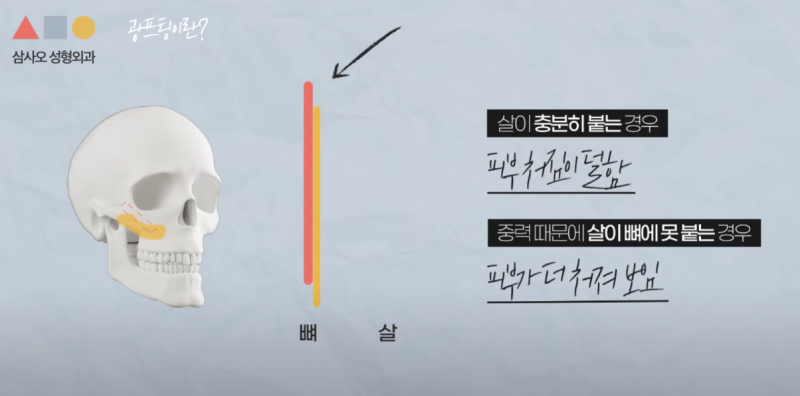
The main cause of skin sagging is the disruption of the harmony between bone and soft tissue. As the volume of the cheekbone decreases, the skin covering it can become loose. At this time, the skin should immediately adhere to the reduced bone's position, but due to gravity, the skin often shifts downward and becomes fixed in that position.
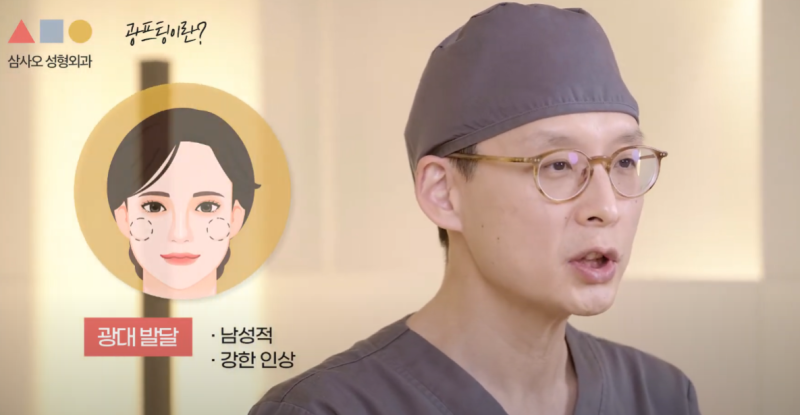
Differences in Skin Elasticity by Age and the Need for Lifting
The skin's resilience varies greatly depending on age. In the case of patients in their 20s, skin elasticity is generally good, so even after the bone is reduced, the skin has an excellent ability to contract on its own to fit the skeleton. Therefore, concerns about sagging are relatively low.
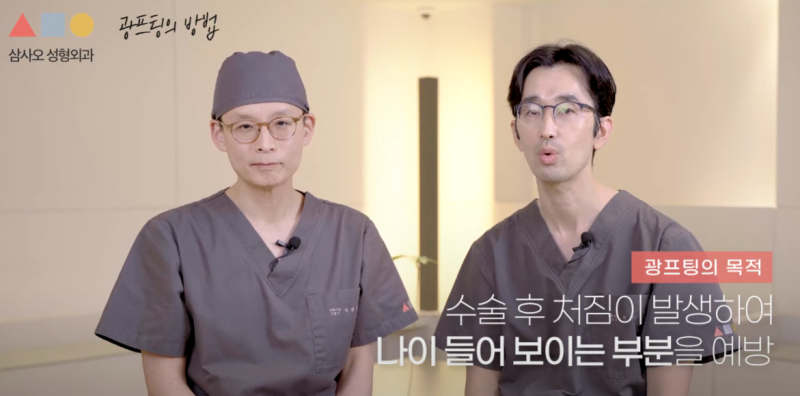
However, the story is different for patients in their 30s and 40s, when aging begins in earnest. When skin elasticity is reduced, the skin cannot keep up with the space left by the reduced bone, making sagging highly likely to become prominent. The method designed to prepare for such cases is 'Zygoma-Lifting,' which combines cheekbone reduction and lifting.
What is 345 Plastic Surgery's Special Solution, 'Zygoma-Lifting'?
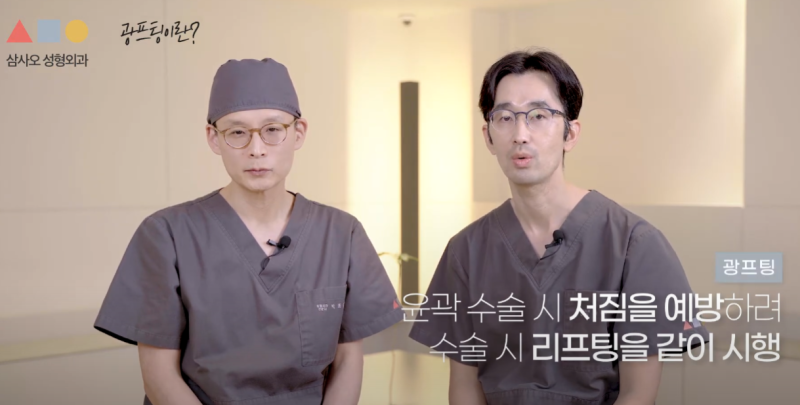
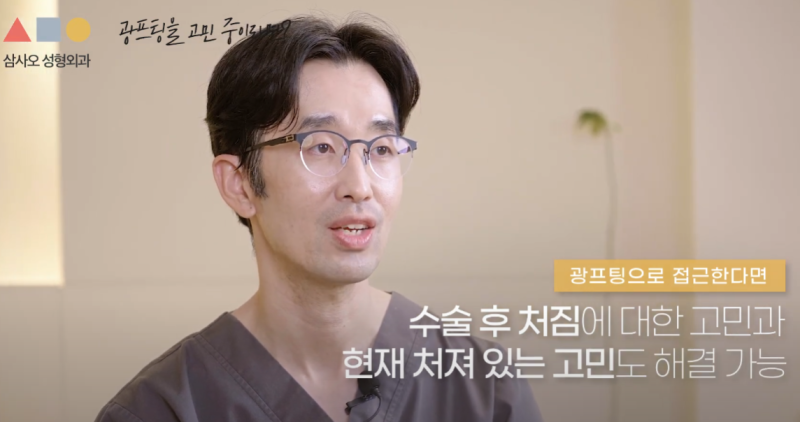
Zygoma-Lifting is a surgical method that combines lifting surgery with cheekbone reduction to enhance aesthetic satisfaction after the procedure. It involves not just reducing the bone, but also fixing the skin tissue upwards so that it does not sag due to gravity.
Customized Zygoma-Lifting Methods According to Skin Condition
- Using Thread Lifting: If sagging is expected to be mild, special threads are used to pull the tissue upwards.
- Mini-Lifting and Facelift: If there is a lot of excess skin or severe sagging, SMAS layer lifting through an incision is performed simultaneously.
How Zygoma-Lifting Differs from General Lifting
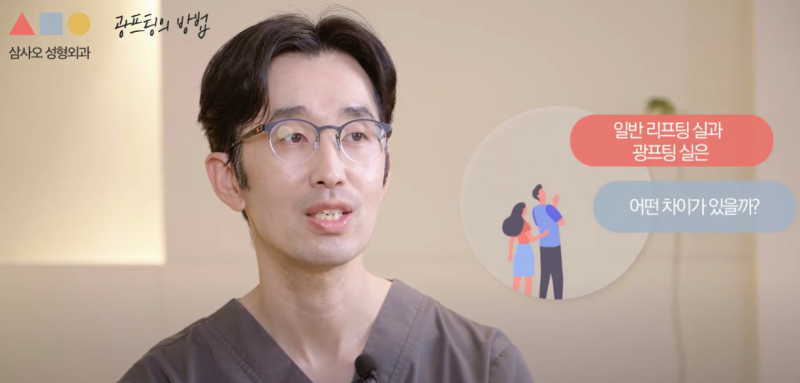
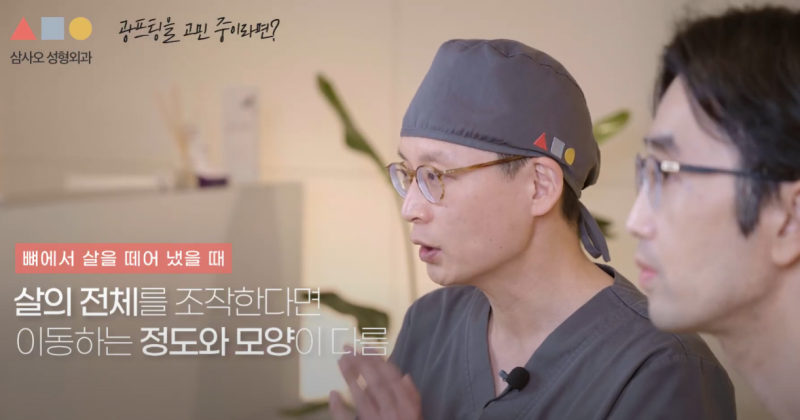
The biggest difference between general thread lifting and Zygoma-Lifting is the 'state of tissue dissection.' Cheekbone surgery already includes a dissection process that separates the bone and tissue. If lifting is performed at this point when the tissue can move freely, the tissue can be pulled upwards much more flexibly than by inserting threads from the outside.
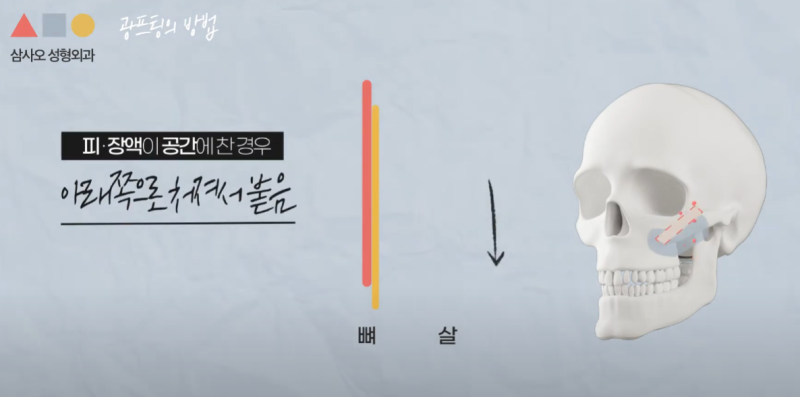
In addition, the artificial retaining ligaments created during the surgical process increase the adhesion between the skin and bone, having a positive effect on preventing cheek sagging. The key is that because the entire soft tissue separated from the bone is directly manipulated, the range of movement is wide and the fixation is solid.
Recovery Period and Expected Changes
Cheekbone reduction is a surgery with a relatively short recovery period and allows for same-day discharge. By adding Zygoma-Lifting to this, you can relieve anxiety about skin sagging and expect a slimmer, more elastic facial line. It also has the advantage of simultaneously improving the condition for those who are already concerned about sagging skin.
If you want a softer impression after cheekbone surgery but are worried about looking older, we recommend consulting with our medical staff to establish a Zygoma-Lifting plan that is right for you.
Frequently Asked Questions
What causes cheek sagging after zygoma reduction surgery?
Yes, it is because the harmony between the bone and skin is disrupted. As the volume of the cheekbones decreases, the skin that covered them becomes loose, and under the influence of gravity, the skin sags downwards, causing cheek sagging.
Should people in their 20s worry about skin sagging after cheekbone surgery?
No, people in their 20s generally have less to worry about regarding sagging. This is because patients in their 20s have good skin elasticity, allowing the skin to contract well on its own to match the reduced bone structure.
How is Kwangfting surgery performed?
It is performed by combining customized lifting based on the skin condition. If minor sagging is expected, thread lifting using special threads is applied, and if there is a lot of excess skin or severe sagging, SMAS layer lifting is performed through an incision.
What is the difference between Kwangfting and general thread lifting?
The biggest difference is that lifting is performed after the tissue has been dissected. During zygoma surgery, when the bone and tissue are separated and can move freely, the entire flesh is directly manipulated and pulled upwards, resulting in a wider range of movement and much stronger fixation.
How long is the recovery period after zygoma reduction and Kwangfting surgery?
The recovery period is relatively short, and discharge on the same day is possible. You can quickly return to daily life after the surgery, and you can expect a slim yet elastic face line while alleviating anxiety about skin sagging.