2026-06-04
Types of Thread Lifting and Effective Procedures: A Customized Design Guide for Improving Sagging Faces
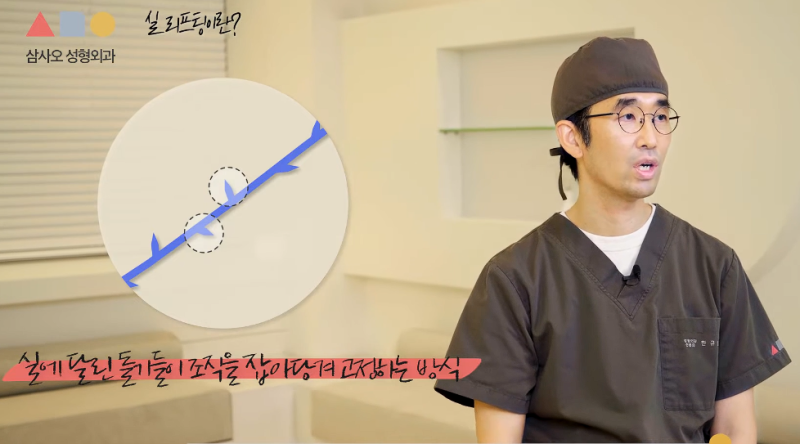
Thread lifting is a procedure that utilizes the cogs on threads to fixate sagging tissue and pull the skin upward. From choosing between absorbable and non-absorbable threads to designing the direction to prevent dimpling, we provide a detailed overview of the medical information and procedural principles you need to know for highly satisfying results.

What is Thread Lifting? Principles and Types of Threads
Many people consider thread lifting to be a relatively simple procedure, but in reality, it is a highly advanced treatment where the medical staff's detailed understanding and skill level make the difference in results. The basic principle of thread lifting is that fine cogs located around the thread pull sagging skin tissue and fixate it in an appropriate position to restore elasticity.

Classification of Threads Used in Thread Lifting
The threads used in thread lifting are broadly divided into two types.
- Absorbable Threads (Melting Threads): These threads naturally break down and are absorbed by the body over time. You can expect the additional effect of inducing collagen production.
- Non-absorbable Threads: These remain in the body to continuously support the tissue and are sometimes used when strong pulling power is required.

Symptoms That May Appear After the Procedure and Understanding Facial Structure
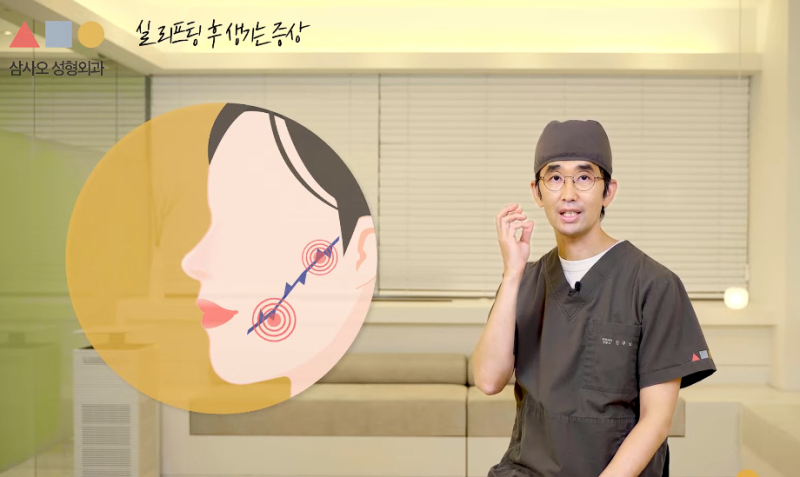
Immediately after a thread lifting procedure, the following reactions may temporarily occur. These are natural phenomena that happen during the recovery process and will gradually improve over time.
- A slight stinging sensation or a feeling of a foreign body at the thread insertion site
- Mild inflammatory reactions such as bruising and swelling
- A tight sensation felt as the tissue is pulled

Why the Face May Appear Wider or the Cheekbones More Prominent
Because thread lifting is not a surgery that involves incising the skin and removing excess tissue, volume can concentrate in specific areas as the lower tissue moves upward. In particular, Koreans often have a developed cheekbone structure and strong retaining ligaments. If the tissue is forcefully pulled diagonally to improve nasolabial folds, the tissue may gather around the cheekbone area, making the face appear wider.
Therefore, for satisfactory results, a three-dimensional directional design that considers the individual's bone structure and tissue condition is crucial, rather than simply pulling the skin.
Types of Thread Lifting: Fix Type vs. Floating Type
The longevity of the procedure and the possibility of thread migration vary depending on how the threads are fixated.
1. Floating Type
This is a method of inserting threads without fixating them to a specific point. If threads with cogs in only one direction are used or if the design is inappropriate, there is a possibility that the threads may migrate downward over time or the ends may become visible through the skin.
2. Fix Type
This method firmly fixates the threads to the tissue. Using threads designed with bi-directional cogs can reduce thread migration or sagging. The precision of the insertion angle and fixation location is the core of this procedure.

How to Deal with Thread Visibility and Dimpling
After the procedure, you may experience dimpling, where the skin looks bumpy, or a foreign body sensation where the threads can be felt. Most of these issues alleviate over time, but if the threads were inserted too shallowly or have migrated, you should receive appropriate treatment from the medical staff.
If the ends of the threads can be felt or are visible, the issue can be resolved by removing or adjusting the threads in the affected area through a microscopic needle hole without worrying about scarring. Caution is needed as forcefully pressing or touching the area can cause inflammation.
Summary: Combination Procedures for Higher Satisfaction
Thread lifting is excellent for repositioning sagging tissue, but if there is excessive or insufficient fat, it can be combined with other procedures to create a synergistic effect.
- Combined with Liposuction: If there is a lot of unnecessary fat, such as a double chin, removing the fat before lifting will create a sharper jawline.
- Combined with Fat Grafting: If lifting is performed while filling volume in areas with severe cheek hollowness, you can expect a more three-dimensional facial shape.
At 345 Plastic Surgery, we do not stop at simply inserting threads; we help you find an elastic facial line through precise directional design tailored to your individual anatomical structure.

Frequently Asked Questions
Do the threads used in thread lifting dissolve over time?
Yes, it depends on the type of thread used. There are dissolvable threads (absorbable) that naturally break down in the body over time and induce collagen production, and non-dissolvable threads (non-absorbable) that remain in the body to continuously maintain tissue.
Can my face look wider after a thread lift procedure?
Yes, as tissue moves upward, volume can concentrate in certain areas, making the face appear wider. This is especially true for Koreans who have prominent cheekbone structures; if threads are pulled too aggressively diagonally to improve nasolabial folds, the cheekbones can become more accentuated, so a three-dimensional directional design is crucial.
What should I do about dimpling, where the skin becomes uneven after the procedure?
Most dimpling naturally subsides over time. However, if the thread was inserted too shallowly or has moved, making the thread end palpable and visible, do not press it forcibly; instead, consult a medical professional to have the thread removed or adjusted through a tiny needle puncture.
Are there any complementary procedures that are good to combine with thread lifting?
Yes, depending on an individual's fat volume, liposuction or fat grafting can be combined. For areas with excess fat like a double chin, liposuction can be performed, and for severely sunken cheeks, fat grafting can be done together to achieve a more three-dimensional and sharp facial line.