2026-06-04
Worried About Breast Augmentation Pain and Recovery? Advantages and Features of Natural Subfascial Breast Augmentation
Post-operative pain and long recovery times are common reasons many hesitate to undergo breast augmentation. Recently gaining attention, Subfascial Breast Augmentation involves inserting the implant beneath the fascia without directly cutting the muscle, thereby reducing pain and achieving natural movement. This article provides an in-depth look at the principles and advantages of subfascial surgery, its suitability by body type, and the expected recovery period.
What is Subfascial Breast Augmentation?
When planning breast augmentation, the placement of the implant is a key factor that determines the naturalness of the results and the speed of recovery. In the past, the 'submuscular placement' method, which inserts the implant under the pectoralis major (chest muscle), was the primary approach. However, this method was pointed out for its drawbacks, such as pain from muscle damage and the implant moving during exercise.
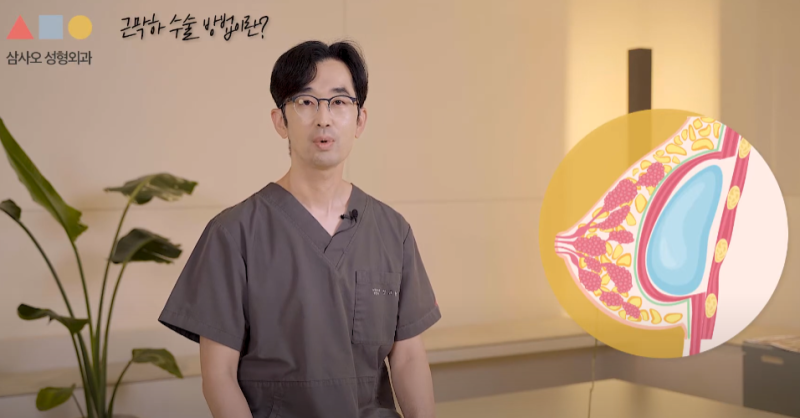
Subfascial breast augmentation is a method of inserting the implant under the 'fascia,' a thin and tough membrane wrapping the pectoralis major muscle. By utilizing the space between the glandular tissue and the muscle, the implant is positioned in an anatomically similar location to the actual breast structure.
Less Pain and Faster Recovery: Advantages of Subfascial Surgery
The biggest reason the subfascial surgical method is preferred is that the physical burden is relatively low. The main advantages are as follows:
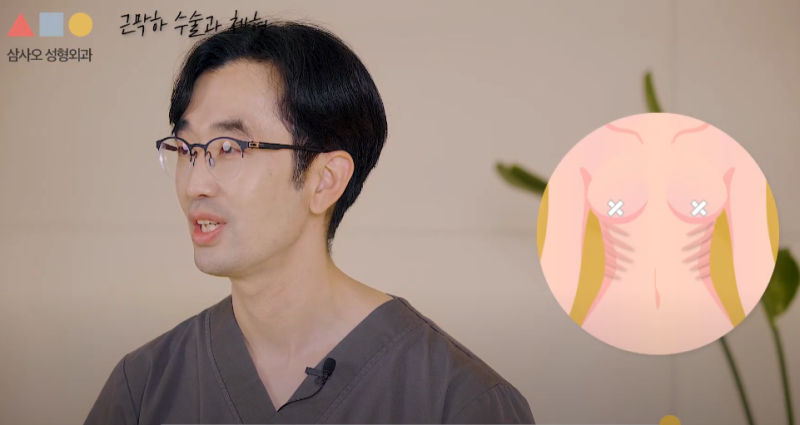
- Reduced Pain: Because the chest muscle is not directly incised or dissected, the burden of post-operative pain is relatively low.
- Quick Return to Daily Life: With less muscle damage, the time it takes to move your arms or resume daily activities is shortened.
- Natural Movement: Since the implant is located above the pectoralis major, it prevents 'animation deformity,' a phenomenon where the implant moves upward along the muscle when flexing the arms or lifting heavy objects.
Is Subfascial Breast Augmentation Right for Me?
Every surgical method has its suitable candidates. Subfascial surgery is recommended for the following individuals:
- Those who enjoy exercise (yoga, Pilates, weightlifting, etc.) and have an active lifestyle
- Those who want a quick recovery and return to daily life after surgery
- Those who have a certain amount of glandular and soft breast tissue
However, there are also precautions. For very thin body types where the ribs are visible or if the skin is very thin, there is a concern for 'rippling,' where the edges of the implant can be felt or seen on the surface. Therefore, it is important to understand your skin thickness and tissue condition through a precise diagnosis with a specialist before surgery.
Post-Operative Exercise and Daily Life Return Guide
Although subfascial breast augmentation has a fast recovery because it does not touch the muscle, caution is needed until the implant settles stably.
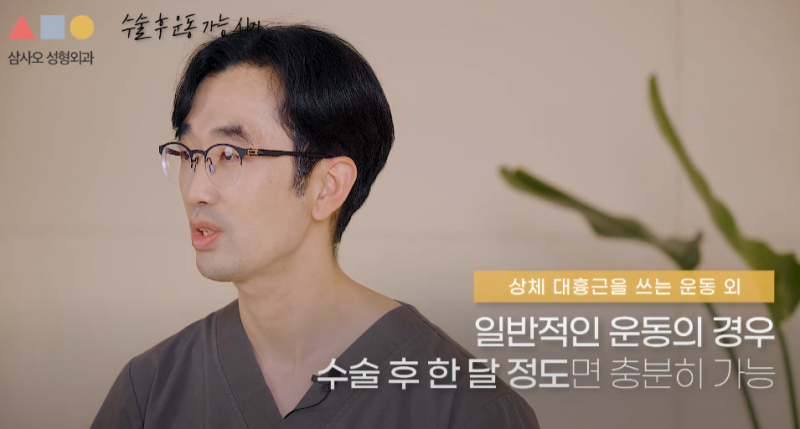
- Aerobic Exercise: Light walks are possible immediately after surgery, while light jogging is recommended after about 1 month.
- Upper Body Strength Training: Weight training using the pectoralis major muscle is safe to start gradually from about 2 months after surgery to ensure the implant settles properly.
The Neoplane Technique Used in Revision Surgery
If you are considering revision surgery due to discomfort or dissatisfaction after previously receiving submuscular surgery, the subfascial method can be an alternative. This is also referred to as the 'Neoplane' surgical technique. By closing the existing implant pocket and creating a new space under the fascia to change the implant's position, you can expect to improve discomfort caused by muscle movement and achieve a more natural breast line.
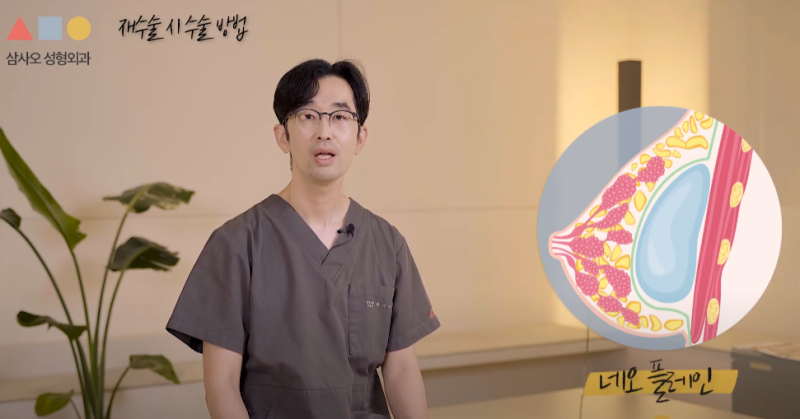
Breast augmentation goes beyond simply increasing size; satisfaction is high when you choose a method optimized for your lifestyle and body structure. At 345 Plastic Surgery, we propose the most suitable surgical plan for each individual through thorough consultation and diagnosis.
Frequently Asked Questions
What is the biggest advantage of subfascial breast augmentation?
Yes, reduced pain and faster recovery are the biggest advantages. Since the breast muscle is not directly incised or dissected, there is less post-operative pain and the time it takes to move the arms or return to daily life is significantly shortened.
When can I exercise after surgery?
Light walking is possible immediately after surgery, and jogging is recommended after about 1 month. Upper body strength training or weight training that uses the pectoralis major muscle should be gradually started about 2 months after surgery to allow the implant to settle stably.
Is subfascial breast augmentation possible for slender body types?
If you have very thin skin or are so thin that your ribs are exposed, caution is needed. There is a risk of rippling, where the edges of the implant can be felt or seen, so it is necessary to precisely diagnose skin thickness and tissue condition with a specialist before surgery.
Does my breast shape become unnatural when I move my arms?
No, on the contrary, natural movement is maintained. Since the implant is located above the pectoralis major muscle, it can effectively prevent animation deformity, where the implant moves upward with the muscle when you put force on your arm or lift heavy objects.
I have discomfort after previous breast augmentation, is reoperation possible?
Yes, reoperation is possible with the Neoplane technique using the subfascial method. By closing the existing implant space and creating a new space under the fascia to change the implant position, discomfort due to muscle movement can be improved and a natural line can be expected.