2026-06-04
Possibility of Recurrence After Hump Nose Surgery? Cause-Specific Correction Methods and 3D Custom Implant Guide
We address questions about the recurrence of a hump nose after surgery and explain in detail the differences in surgical methods by gender and precise correction techniques using 3D custom implants. This is a professional plastic surgery guide that promises highly satisfying results through a customized approach considering skeletal structure and cartilage characteristics.
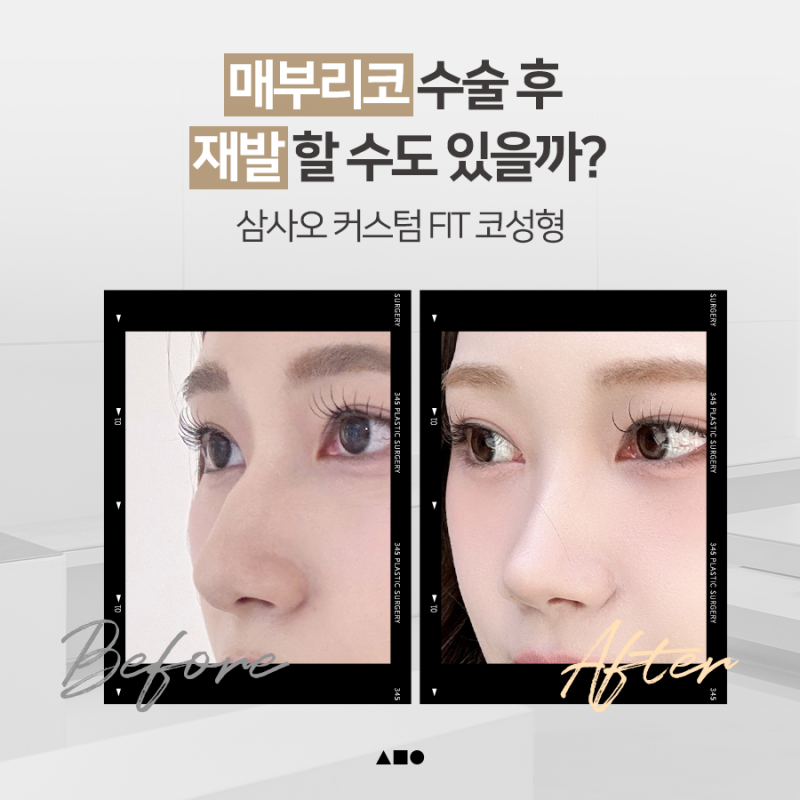
Hump Nose, A Concern Beyond Simple Protrusion
A hump nose is characterized by a protruding middle section of the nasal bridge, which can easily give off a strong and stubborn impression. Because this disrupts the smoothness of the side profile, many people consider rhinoplasty along with lifting procedures. Hump nose correction is a delicate surgery that goes beyond simply shaving down the protruding area; it requires comprehensive consideration of the bridge height, harmony with facial features, and the angle of the nasal tip.
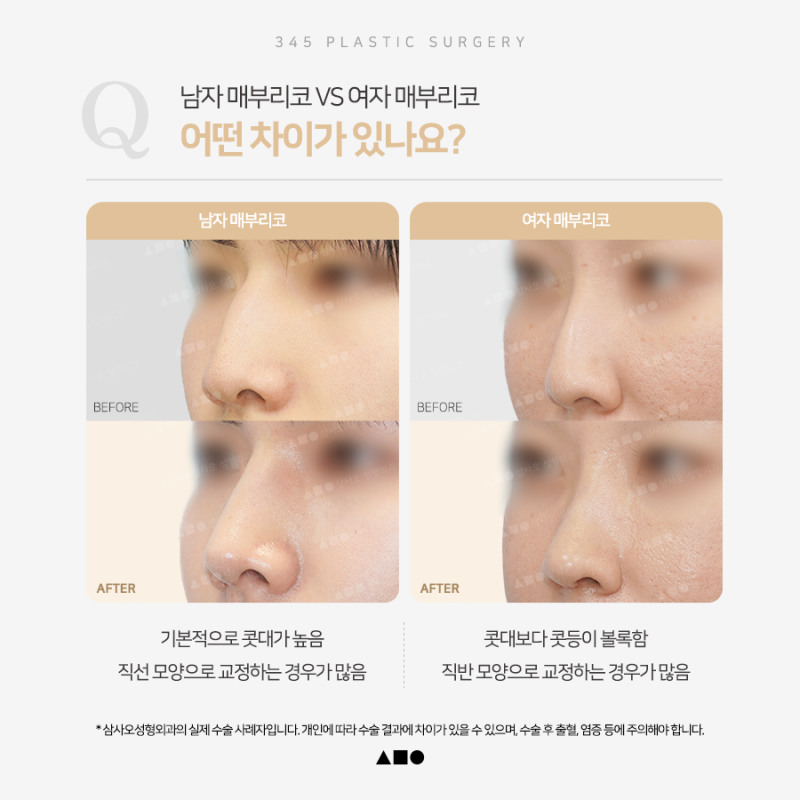
Key Differences in Hump Nose Correction by Gender
Because men and women have different preferred nose lines and anatomical structures, the surgical approach must also differ.
- Male Hump Nose: Generally, the foundational nasal bridge is already high. The nasal tip and bridge are connected in a straight line to emphasize a distinct and masculine image.
- Female Hump Nose: The nasal bridge is often locally convex. Correction aims for a sophisticated image by creating a "jik-ban" (a shape between straight and slightly upturned) line that highlights a soft curve.
Can a Hump Nose Really Recur After Surgery?
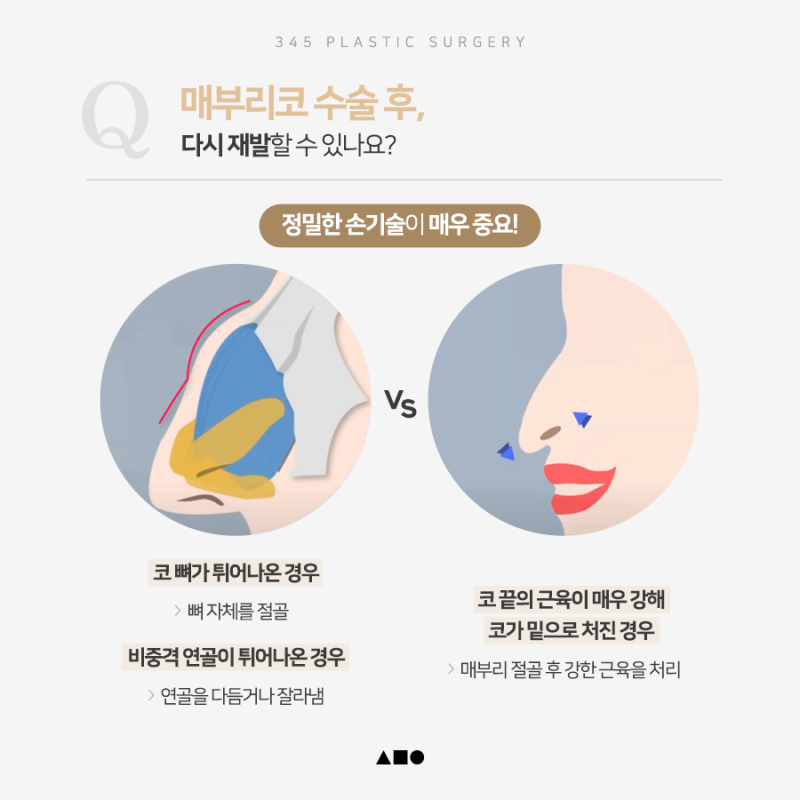
The most common concern among patients is, "Will the hump come back after surgery?" To get straight to the point, if appropriate treatment tailored to the cause is not performed, recurrence can be experienced in rare cases.
Customized Solutions by Cause
- Nasal Bone Protrusion: Precise osteotomy (cutting or shaving the bone) of the bone itself must be performed.
- Septal Cartilage Protrusion: If the septal cartilage, the pillar inside the nose, is the cause, it must be meticulously trimmed or excised.
- Strong Nasal Tip Muscle: If the muscle pulling the nasal tip downward is strong, the tip may droop after surgery, causing the hump to become prominent again. In this case, a muscle treatment process must be performed concurrently.
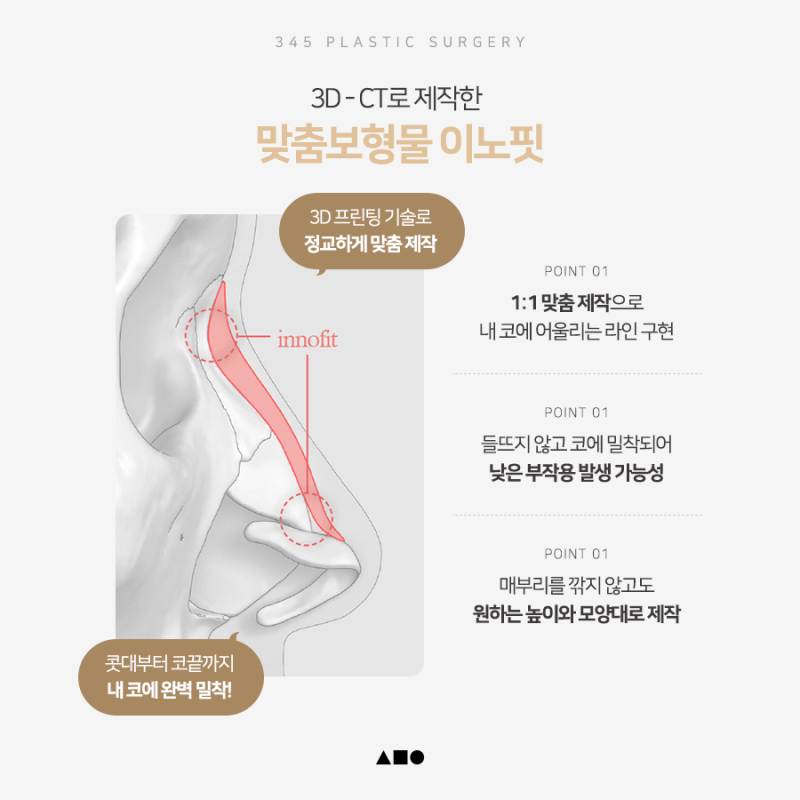
Alleviating Side Effect Concerns with 'Innofit' 3D Custom Implants
Ready-made implants do not perfectly match the actual curve of the patient's nasal bone, which can lead to lifting or deviation. To compensate for this, 3D Innofit custom implants, manufactured based on 3D-CT data, can be utilized.
- Precise Adhesion: Custom-made 1:1 according to the curve of the nasal bridge, lowering the possibility of implant migration.
- Natural Line: Smoothly covers the osteotomy site of the hump to complete a seamless nasal bridge line.
- Non-Osteotomy Possibility: If the hump is not severe, sufficient improvement can be expected with just the implant, without the need for osteotomy.
Safety-Based Aftercare System
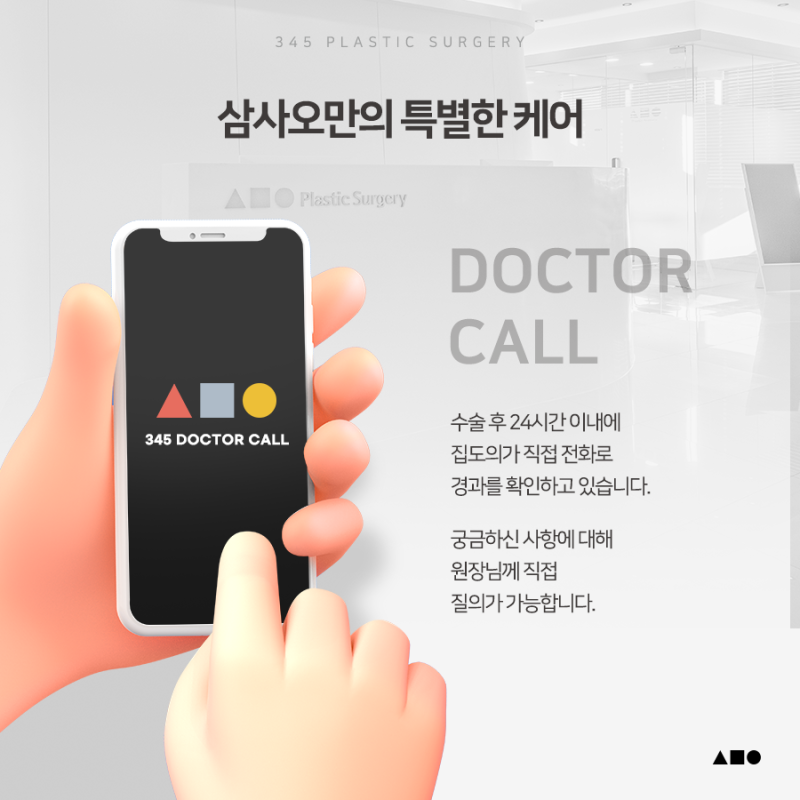
For satisfactory results, the recovery process is just as important as the surgery itself. You should choose a trustworthy environment by checking for the presence of a resident anesthesiologist and the installation of CCTV in the operating room. Meticulous progress checks by the operating surgeon immediately after surgery and systematic care help facilitate a quick return to daily life and relieve potential anxiety.
Frequently Asked Questions
Can a dorsal hump really reappear after dorsal hump rhinoplasty?
Yes, it can rarely recur if appropriate treatment for the cause is not performed. If the protrusion of the nasal bone or septal cartilage is not properly trimmed, or if the muscle pulling the nasal tip downwards is strong and not addressed, the nasal tip may droop after surgery, causing the dorsal hump to become prominent again.
How do dorsal hump rhinoplasty procedures differ for men and women?
The approach differs because men and women prefer different nasal lines and have different anatomical structures. Men generally have a high basic nasal bridge, emphasizing a sharp image by connecting the nasal tip and bridge in a straight line, while women typically seek a sophisticated image by correcting it into a soft, curved, semi-upward-curved line.
What are the advantages of the 3D custom implant, InnoFit?
The biggest advantage is that it precisely adheres 1:1 to the patient's bone curve, reducing the possibility of side effects such as implant displacement or lifting. Since it is manufactured based on 3D-CT data, it smoothly covers the osteotomy site of the dorsal hump, completing a more natural nasal bridge line.
Is osteotomy (bone shaving) always necessary for dorsal hump correction?
No, osteotomy is not always necessary if the dorsal hump is not severe. Even without shaving the bone, a smooth nasal bridge line can be achieved by using only a 3D custom implant to cover the protruding area.
What should I check for safe dorsal hump rhinoplasty?
It is advisable to check if an anesthesiologist is present and if CCTV is installed in the operating room. Additionally, choosing a hospital where the surgeon carefully checks the progress immediately after surgery and provides systematic post-operative care will enable a quick return to daily life.