2026-06-04
How to Reduce Swelling After Plastic Surgery: When to Use Cold vs. Warm Compresses and Post-Op Care Guide
Swelling after plastic surgery is a natural part of the recovery process, but using cold and warm compresses at the right times can help speed up your recovery. Immediately after surgery, cold compresses are recommended to minimize bleeding and swelling, while warm compresses are advised after 4 to 5 days to promote blood circulation. Here is a guide to the correct compress methods and precautions for safe post-operative care.

Post-Op Swelling Management: Why Should You Start with Cold Compresses?
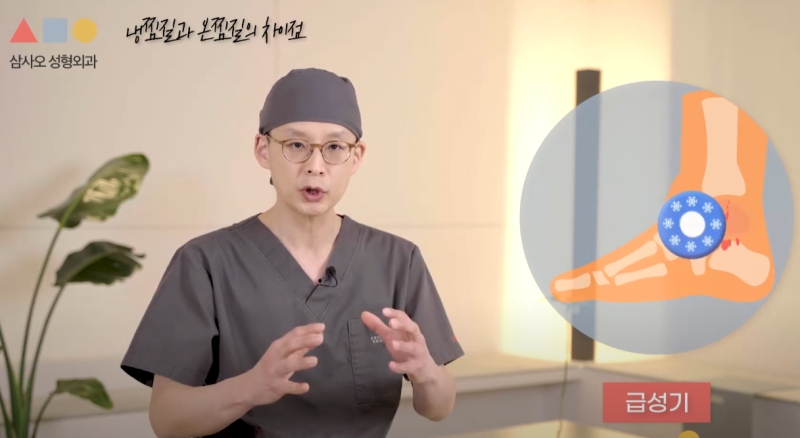
Immediately after plastic surgery, the tissues are irritated, making them prone to acute swelling and bleeding. Just like applying ice when you sprain an ankle during exercise, it is important to lower the heat in the surgical area and constrict the blood vessels to prevent excessive swelling.
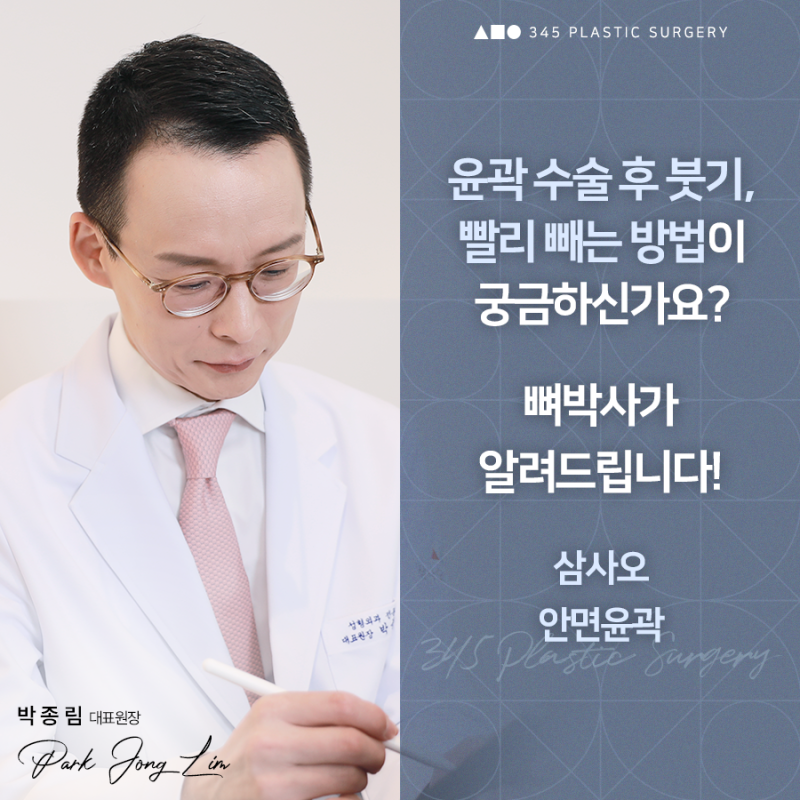
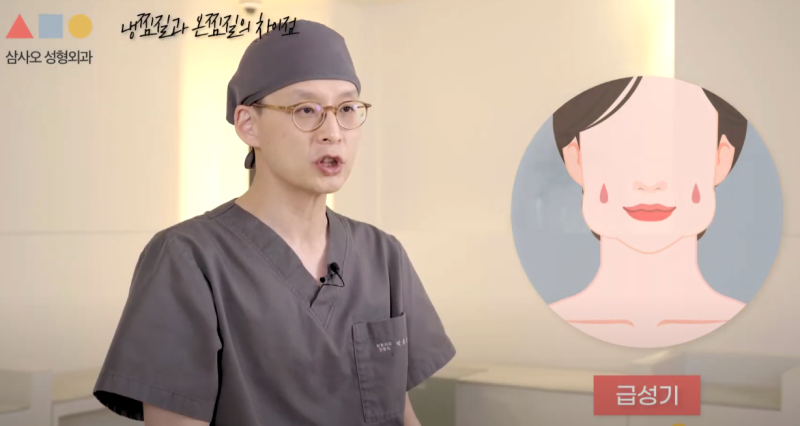
It is recommended to continue using a cold compress for about 4 to 5 days immediately following the surgery. During this period, cold compresses not only relieve pain and suppress swelling but also help with hemostasis, contributing to the creation of an optimal overall recovery environment.
When to Switch to Warm Compresses to Accelerate Recovery
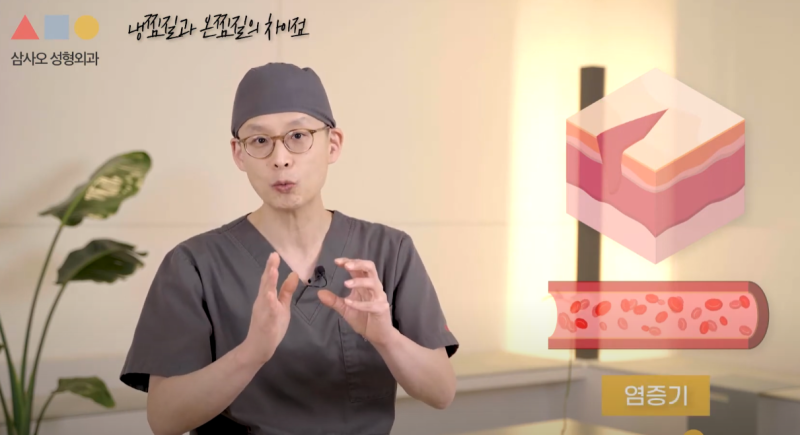
About 4 to 5 days after surgery, the inflammatory phase, which is the tissue's natural healing process, gradually comes to an end. The inflammation referred to here is not a bacterial infection, but rather the process of immune cells, such as white blood cells, gathering to heal the wound.
From this point on, it is effective to switch your care method to a warm compress. The warm temperature dilates blood vessels and promotes blood circulation, helping the stagnant swelling components to be quickly absorbed into the body. You can also expect positive changes in alleviating the discoloration of bruised areas.
Crucial Precautions for Compresses After Surgeries Like Facial Contouring
In the case of surgeries such as facial contouring, the nerve sensation around the surgical site may become temporarily dulled. If you rely solely on your sensation when applying compresses during this time, you may unknowingly suffer skin damage, so caution is required.
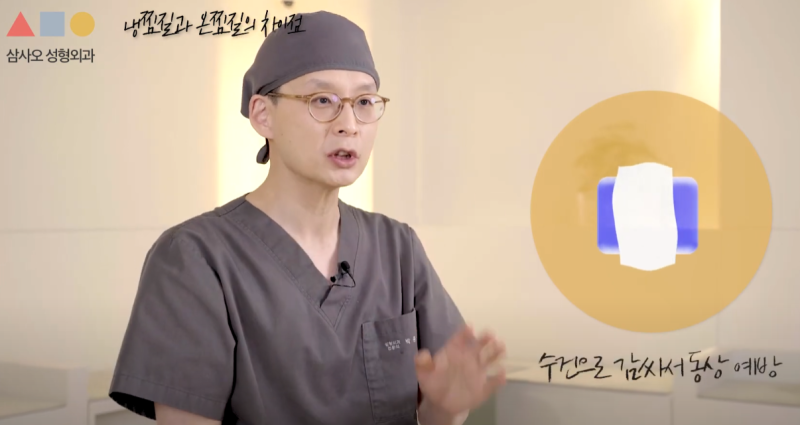
- Preventing Frostbite: When using a cold compress, you must wrap the ice pack in a dry towel or gauze so that it does not come into direct contact with your skin.
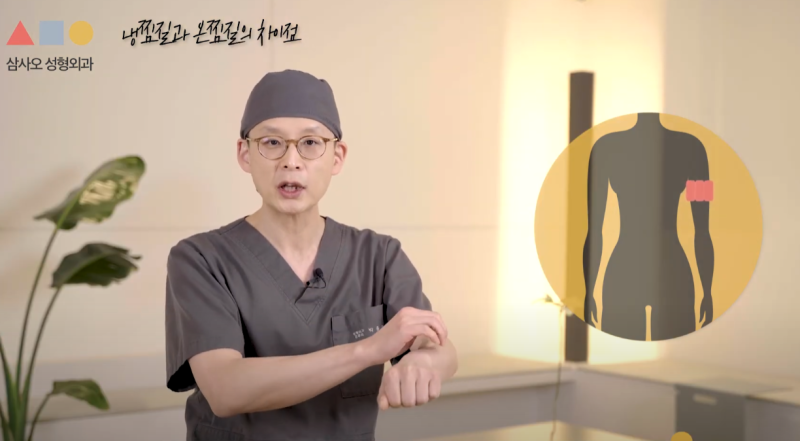
- Preventing Burns: After heating a warm compress pack in the microwave, do not apply it directly to your face. It is safer to check the temperature by placing it on the inside of your arm or the back of your hand first before use.
Key Summary for Plastic Surgery Swelling Management
| Category | Cold Compress | Warm Compress |
|---|---|---|
| Recommended Timing | Immediately after surgery ~ 4 to 5 days | After 5 days post-op ~ Recovery period |
| Main Purpose | Suppress swelling, relieve pain, aid hemostasis | Promote blood circulation, absorb swelling, alleviate bruising |
| Precautions | Wrap in a towel (Prevent frostbite) | Must check temperature (Prevent burns) |
Simply following the proper compress care methods can lead to a smooth recovery after surgery. At 345 Plastic Surgery, we operate a systematic aftercare system to help our patients quickly return to their daily lives.




Frequently Asked Questions
What kind of compress should I use immediately after plastic surgery?
It is recommended to use a cold compress for about 4-5 days immediately after surgery. Cold compresses help reduce heat in the surgical area, constrict blood vessels to suppress excessive swelling and bleeding, and significantly alleviate pain.
When is it best to start warm compresses?
It is effective to start warm compresses about 4-5 days after surgery, when the inflammatory phase gradually subsides. The warm temperature promotes blood circulation, helping stagnant swelling components to be quickly absorbed into the body and alleviating bruising.
What should I be careful about when using compresses after facial contouring surgery?
Temporary numbness in nerve sensation around the surgical area may occur, so special attention should be paid to temperature checks. If you rely solely on sensation for compresses, you may damage your skin, so safety measures to prevent burns or frostbite are essential.
How can I prevent frostbite when using cold compresses?
Always wrap the ice pack with a dry towel or gauze so that it does not directly touch the skin. If a cold pack touches the skin directly, there is a risk of frostbite without you realizing it, especially when sensation is dulled.
How can I prevent burns when using a warm compress pack?
Do not apply a warm compress pack heated in the microwave directly to your face; first check the temperature on the inside of your arm or the back of your hand. Checking for an appropriate temperature beforehand is essential to safely prevent skin damage such as burns.