2026-06-04
When Does Swelling Subside After Facial Contouring Surgery? Tips for Cold and Warm Compress Management
We provide a detailed guide on the swelling recovery process and proper compress methods after facial contouring surgery. Prepare for a safe recovery by checking the peak swelling period during the first 3 days, the process of removing residual swelling over 6 months, and the appropriate time to switch between cold and warm compresses.
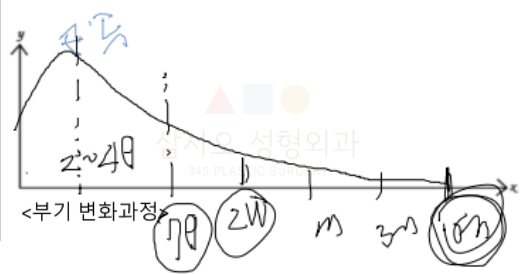
Changes in Swelling After Facial Contouring Surgery: Recovery Process by Period
Because facial bone contouring involves the precise reshaping of facial bones, it can be accompanied by relatively more swelling compared to other plastic surgeries. This is a natural phenomenon that occurs as the bones and soft tissues are separated and then reattach.

- Post-surgery to Day 3: This is the period when swelling gradually increases and reaches its peak.
- 1 to 2 weeks post-surgery: Major swelling slowly begins to subside, and this is the stage to prepare for a return to daily life.
- 1 to 3 months post-surgery: Most of the visible major swelling resolves during this time, and you can start to feel the changes in your facial contours.
- 6 months post-surgery and beyond: Even the minor residual swelling clears up, completing the final contour lines.
The Golden Time for Cold and Warm Compresses for Swelling Management
To manage swelling efficiently, you must use different compress methods depending on the period. Dr. Park Jong-lim of 345 Plastic Surgery recommends the following compress guide.
1. Cold Compress (First 4-5 days post-surgery)
Cold compresses are essential during the period when swelling builds up immediately after surgery. They help constrict blood vessels to prevent bleeding and suppress the worsening of swelling and bruising.
2. Warm Compress (After 5 days post-surgery)
Once the swelling reaches its peak and begins to subside, switch to warm compresses. This promotes blood circulation in the surgical area, helping stagnant edema and waste products in the body to be absorbed quickly.
Changes in Swelling Recovery Seen Through a Real Case
Comparing the changes at 1 month and 2 months after facial contouring surgery, you can see that the volume of the soft tissues surrounding the bones noticeably decreases.
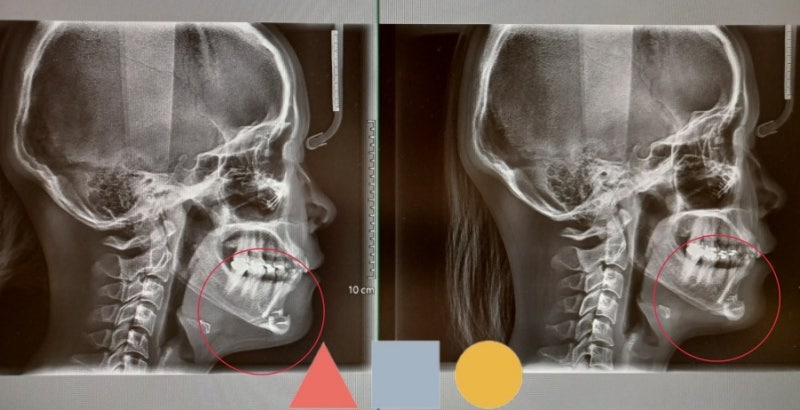
In the case of the patient above, major swelling remained up to the 1-month mark, but entering the 2-month mark, the jawline became distinctively slimmer, achieving highly satisfactory results. The speed of swelling recovery may vary depending on individual constitution and management methods.
Precautions for Post-Surgery Safety
In the early stages after surgery, sensation in the surgical area may temporarily become dull. If you are not careful during this time, you may sustain secondary injuries while using compresses.
- Frostbite Prevention: When using an ice pack, be sure to wrap it in a thin towel or handkerchief so that it does not touch the skin directly.
- Burn Caution: When using a warm compress, check that the pack's temperature is not too high, and use a handkerchief as a barrier to maintain an appropriate temperature.
- Light Walking: Avoid strenuous exercise, but taking light walks can help blood circulation and positively assist in removing residual swelling.
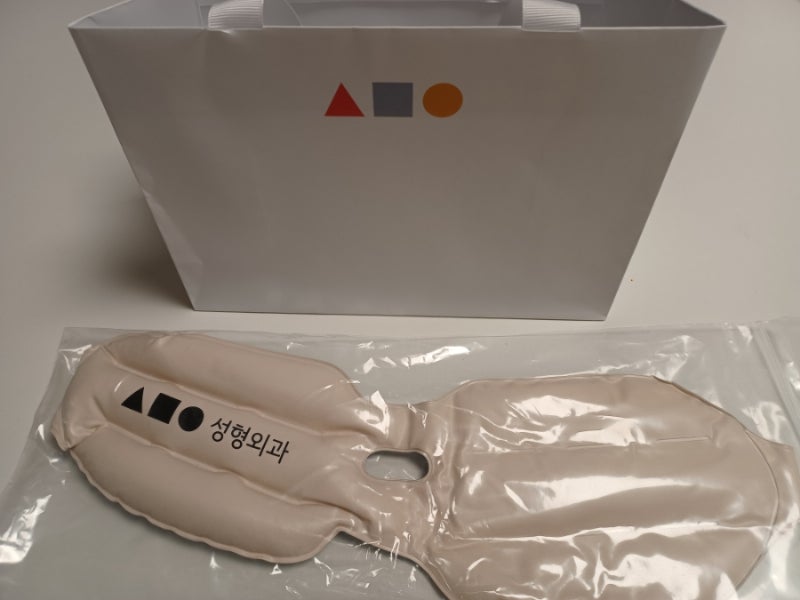
Facial contouring surgery is a process that requires patience for recovery, but through systematic aftercare, you can expect smoother and more stable results. 345 Plastic Surgery is with you until the very end to ensure a safe recovery.
Frequently Asked Questions
When does most of the major swelling subside after facial contouring surgery?
Most of the visible major swelling subsides approximately between 1 to 3 months. Swelling is most severe on the 3rd day after surgery, then gradually begins to decrease from the 1st to 2nd week, allowing for a return to daily life. The final contour line is completed after 6 months as even minor residual swelling resolves.
How long should I apply cold compresses after surgery?
It is recommended to apply cold compresses from immediately after surgery until day 4-5. During this period, swelling increases, so cold compresses help constrict blood vessels to prevent bleeding and suppress severe swelling and bruising. Ice packs should be wrapped in a towel to prevent skin damage and frostbite.
When is it best to start warm compresses?
It is recommended to switch to warm compresses after 5 days post-surgery. Applying warm compresses when swelling has peaked and begun to subside promotes blood circulation in the surgical area, helping the body quickly absorb stagnant edema and waste products.
Are there any special precautions to take when applying compresses?
Yes, in the early stages after surgery, sensation may be temporarily dulled, posing a risk of frostbite or burns, so special care is needed. Always wrap the compress pack with a thin towel or handkerchief to prevent direct skin contact, and frequently check that the temperature is not too high when applying warm compresses.
Is it good to exercise to reduce swelling quickly?
It is better to avoid strenuous exercise and take light walks. Light walks can help promote smooth blood circulation in the body, which can positively aid in removing residual swelling after surgery. Patience is needed for recovery, so systematic management is important.