2026-06-04
Why Intraoral Suturing is Crucial After Facial Contouring Surgery: Anatomical Repair and Scar Management
The success of facial contouring surgery is determined just as much by the final 'suturing' stage as it is by the bone contouring process. This article provides a detailed explanation from a board-certified plastic surgeon's perspective on the principles of Anatomical Repair, precise suturing techniques tailored to the characteristics of the oral mucosa, and the symptoms and precautions to expect during the postoperative recovery process.
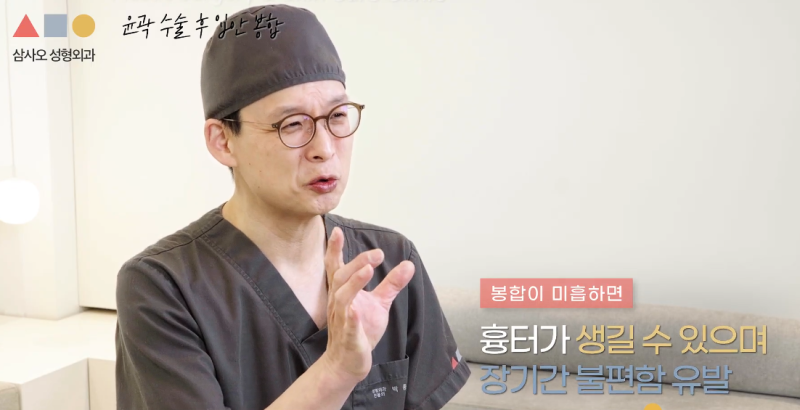
'Anatomical Repair' Determines the Perfection of Facial Contouring Surgery
When considering facial contouring surgery, many people focus on how much bone is shaved, but the hidden detail that determines the actual surgical outcome and recovery process is suturing. It is not simply about closing the wound, but restoring it to its original state according to the anatomical position and structure before the incision. This Anatomical Repair is the key.
During the surgical process of dissecting and pulling tissues, the tension (stretching force) of the skin and mucosa changes. In particular, the mucosa on the gum side is fixed to the bone and does not stretch well, whereas the tissue on the cheek side is relatively more elastic. If sutured without considering this, the tissue may pucker or become asymmetrical. Therefore, stable recovery can be expected only when suturing is performed by meticulously adjusting the position in a radial manner.
The Medical Team's Know-How for Precise Suturing
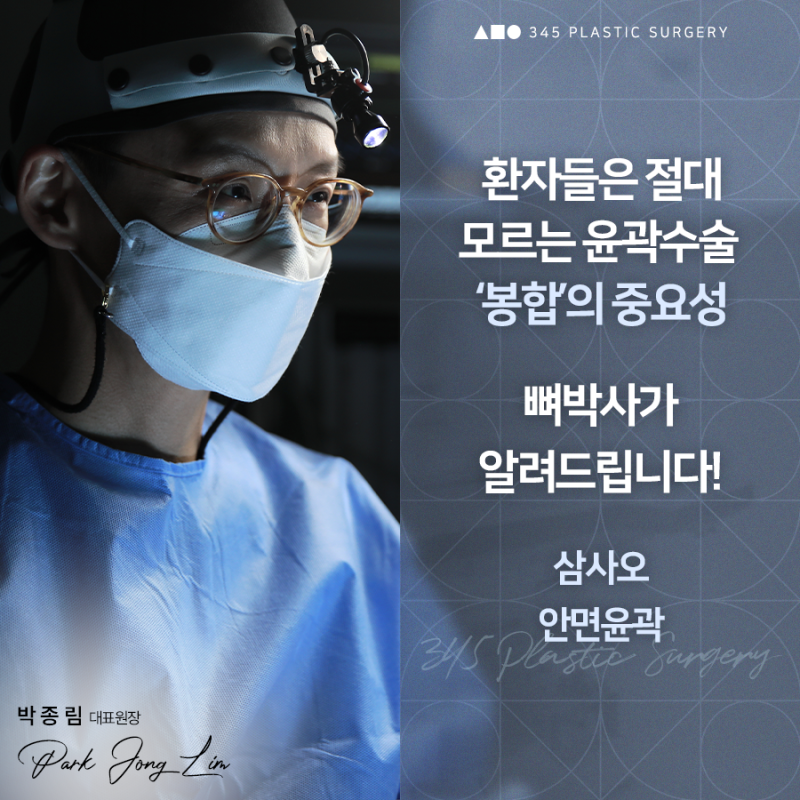
To enhance the details of the surgery, the following principles are strictly adhered to in the clinical setting:
- Pre-operative Marking System: Reference points are marked prior to surgery, and reference suturing is performed first so that the incision line aligns perfectly with its original position after the procedure.
- Adjusting Tissue Level and Height: By matching the heights of tissues with different thicknesses during suturing, the sensation of a foreign body is reduced after recovery, promoting natural adhesion.
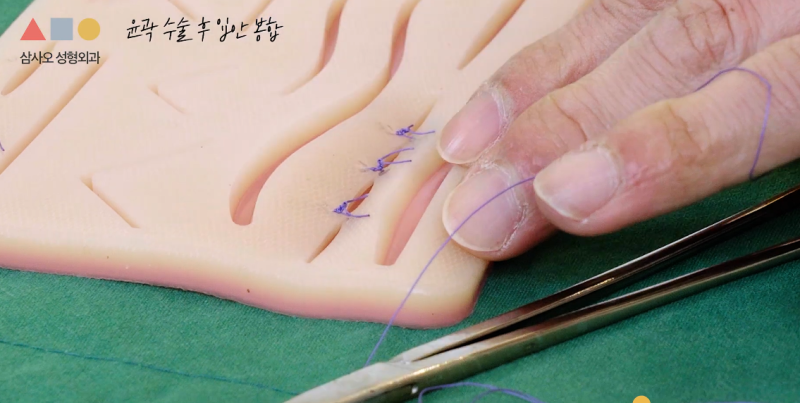
- Ambidextrous Suturing Technique: Both the right and left hands are used to stably secure the suturing angles on both the left and right sides. This contributes to minimizing tissue damage and increasing the precision of the sutures.
Recovery Process and Scar Management of Intraoral Sutures
Facial contouring surgery is primarily performed through intraoral incisions. Because the inside of the mouth is a space constantly exposed to saliva and food intake, the sutured area must be extremely secure. Suturing densely to prevent foreign substances from seeping through the gaps is the first step in preventing infection.
During the initial recovery period after surgery (about 2 to 3 months), the sutured area may feel firm or hard. This is a natural process of scar tissue formation, and it typically softens gradually over 6 months to a year. Maintaining oral hygiene and following the precautions provided by the medical team during this period will greatly aid in a smooth recovery.
Conclusion: Details in Unseen Areas Make the Difference
In facial contouring surgery, the stability of the unseen intraoral tissues is just as important as the visible external changes. Verifying whether the operating surgeon takes full responsibility for suturing from start to finish and adheres to anatomical principles is a key factor in increasing surgical satisfaction. We recommend establishing the most suitable and safe surgical plan for yourself through thorough consultation with an experienced medical team.

Frequently Asked Questions
Why is suturing important in facial contouring surgery?
In facial contouring surgery, suturing goes beyond simply closing a wound; the core is 'anatomical restoration,' which involves restoring the original anatomical position and structure according to the pre-incision state. This determines the completeness of the surgical result and the recovery process, and it is essential to prevent asymmetry or unevenness.
How is intraoral suturing performed, and are there any special considerations?
Intraoral suturing is primarily performed through an intraoral incision, and the sutures are meticulously positioned radially, considering the different tensions of the gum and cheek tissues. Since the oral cavity has a risk of infection due to saliva and food intake, it is important to suture densely without gaps to maintain firmness and prevent infection.
How long does it take for the sutured area to recover after facial contouring surgery?
After facial contouring surgery, the sutured area may feel firm or hard during the initial recovery period of about 2-3 months. This is a natural process of scar tissue formation and usually softens gradually over 6 months to a year.
How should I manage scars in the sutured area?
To manage scars in the sutured area, it is important to maintain thorough oral hygiene during the post-operative recovery period and to follow the precautions provided by the medical staff. This greatly helps in good recovery and softening of the scar.
How does the medical team's suturing expertise affect the surgical outcome?
The medical team's precise suturing expertise enhances the details of the surgery, improving satisfaction. A pre-marking system ensures accurate positioning, tissue steps and heights are adjusted to reduce foreign body sensation, and two-handed suturing techniques minimize tissue damage and increase precision, aiding stable recovery.