2026-06-04
How Severe is Facial Contouring Pain? General Anesthesia Safety and Top 3 Consultation Questions
We explore the most common concerns when considering facial contouring surgery: the level of pain, the safety of general anesthesia, and whether it is possible to achieve results like a celebrity photo. Since bones themselves lack sensory nerves, the pain is less than expected, and safe surgery is ensured through a systematic anesthesia management system.
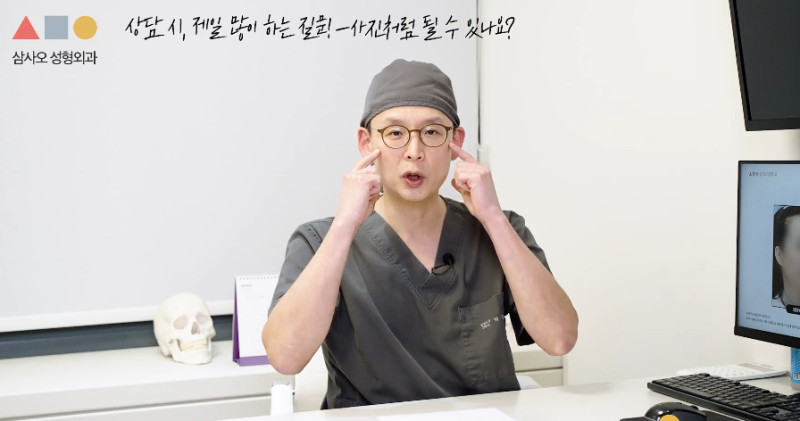
Before deciding on facial contouring surgery, many people struggle with the fear of pain and uncertainty about the results. As it is a major surgery that refines the face shape, there are common questions patients have during their pre-operative consultations with a specialist.
Today, 345 Plastic Surgery will clearly resolve your curiosities with medical evidence, focusing on the Top 3 most frequently asked questions by patients during facial contouring consultations.
1. General Anesthesia for Facial Contouring: Will I Wake Up Safely?
The first and most frequently asked question is about the fear of anesthesia. Almost everyone worries at least once, "What if an accident happens and I don't wake up after anesthesia?"
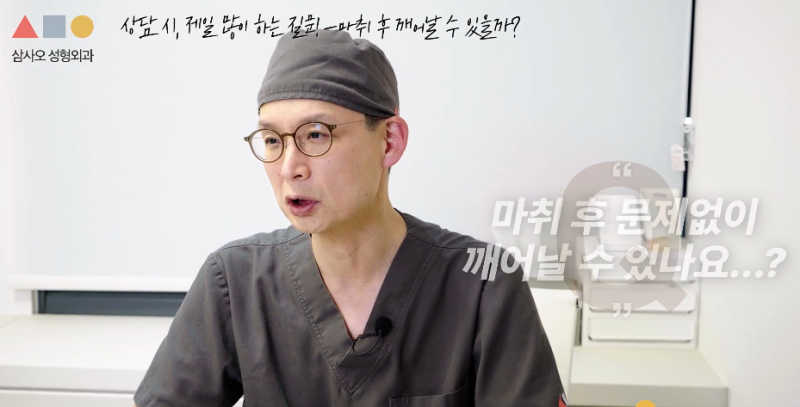
Medically, we cannot conclude that the probability of an accident during general anesthesia is 0%, but the chances are significantly lower than the probability of experiencing a traffic accident in daily life. General anesthesia is actually a method that can be managed more safely than IV sedation (sleep anesthesia) because the medical staff monitors and controls all vital signs in real-time, including the patient's respiration, blood pressure, and oxygen saturation.
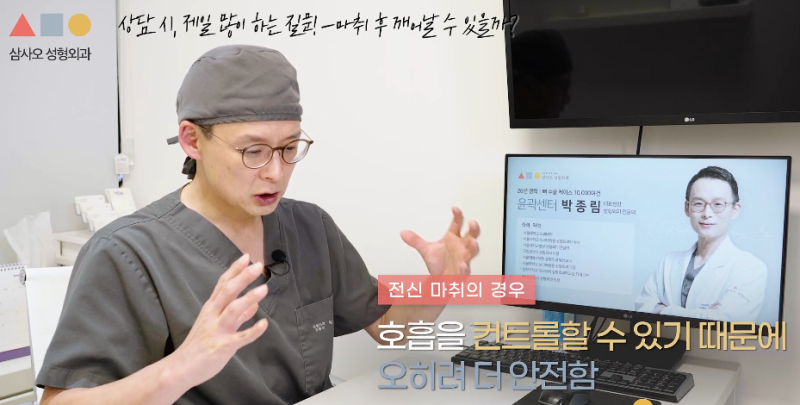
If you ensure that thorough pre-operative examinations are conducted and a board-certified anesthesiologist is present in-house, you can let go of excessive anxiety about anesthesia.
2. Facial Contouring Surgery Pain: Does Shaving Bone Hurt a Lot?
The second key question is about contouring surgery pain. Because of the perception of cutting bone, many people expect severe agony.
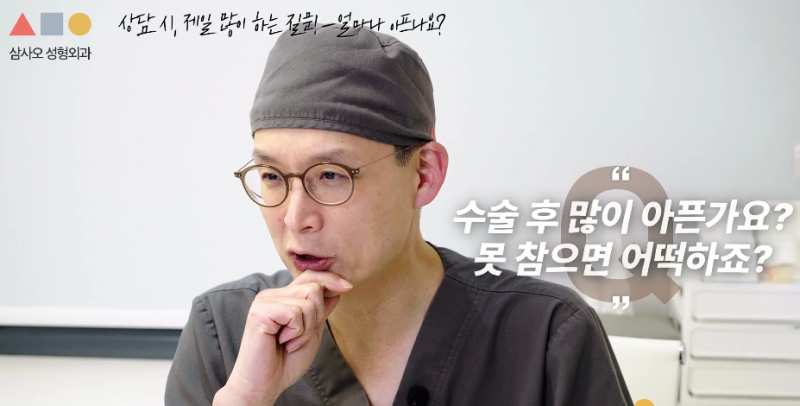
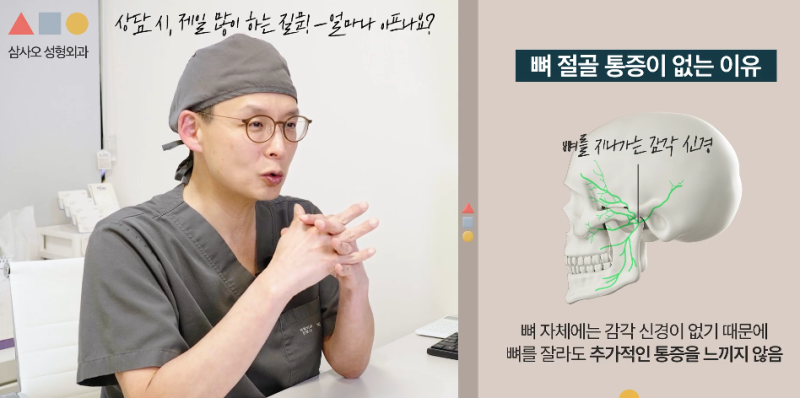
However, anatomically, human bones themselves do not have sensory nerve endings that feel pain. While there are nerve canals (pathways through which nerves pass) inside the bone, the act of shaving the bone itself does not directly stimulate the nerves to cause pain.
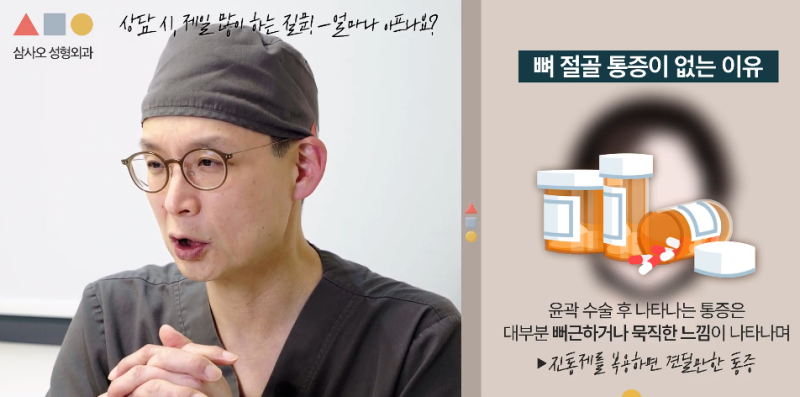
- The actual pain patients feel: Rather than a sharp pain, it is described as an aching sensation or a heavy feeling of pressure in the surgical area.
- Pain management: This discomfort is at a level that can be sufficiently controlled by taking prescribed painkillers, and it is very rare for patients to complain of extreme pain that makes daily life impossible.
3. Can I Look Like a Celebrity Photo? Surgical Limits and Direction
Many people bring photos of their preferred models or influencers during consultations. The third question is, "Can I get a face shape exactly like the one in this photo?"
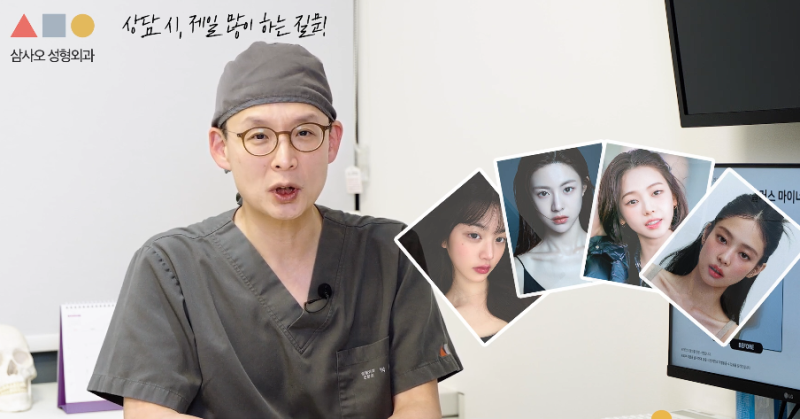
Unfortunately, in modern medicine, surgery cannot provide unlimited changes like Photoshop. Depending on each patient's bone structure, skin thickness, and the location of nerve pathways, there are clear limitations within the safe surgical range.
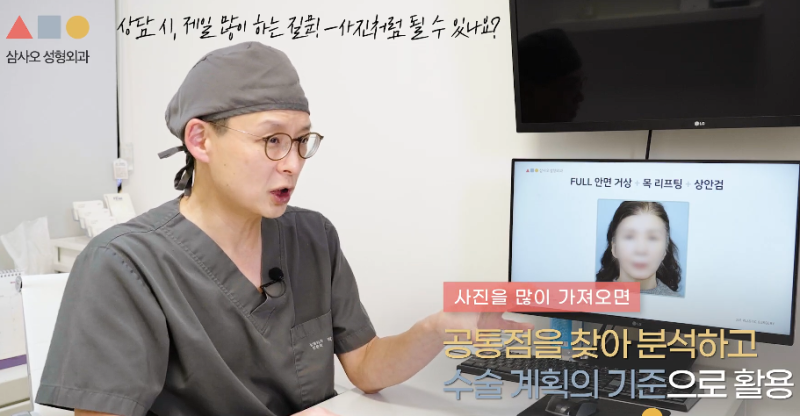
Nevertheless, bringing photos is highly recommended. This is because the photos help us understand your aesthetic goals, such as:
- The degree of sharpness of the chin tip (V-line vs. natural line)
- The degree of side cheekbone reduction (completely slim vs. maintaining volume)
- Preferences for overall facial proportions
The photos you bring are not a 'guarantee' of the outcome, but are utilized as an important communication tool for the medical staff and patient to establish the most satisfactory surgical plan.
Conclusion: Precise Diagnosis Creates the Best Results
Facial contouring surgery goes beyond simple cosmetic purposes; it is a highly difficult surgery that requires an accurate analysis of the patient's anatomical characteristics. If you are hesitating about surgery due to concerns about pain or anesthesia, we recommend consulting directly with an experienced specialist to confirm a specific plan tailored to your condition.