2026-06-04
Facial Contouring Pin Removal Timing and Necessity: How to Perfect Your Post-Surgery Recovery
Are you considering removing the fixation pins inserted after facial contouring surgery? We explain in detail everything from the safety of titanium materials to the recommended timing for removal (1-2 years) and medical situations where removal is absolutely necessary. Discover a safe and satisfying recovery process with 345 Plastic Surgery.

Pin Removal After Facial Contouring Surgery: Is It Essential?
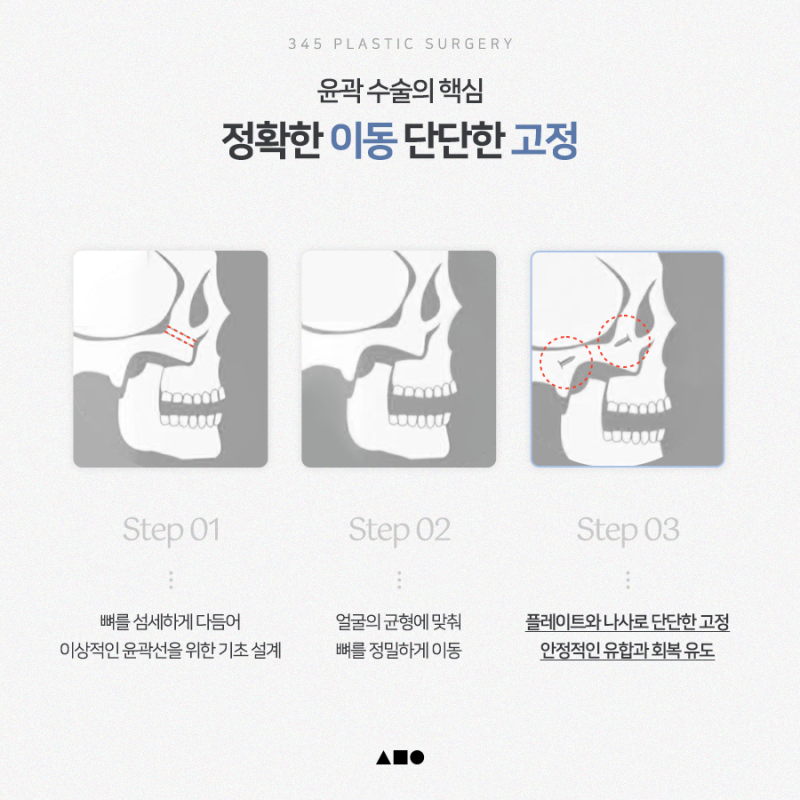
After successfully completing facial contouring surgery, many people contemplate the final step: 'facial contouring pin removal.' The screws and plates used to cut and secure the bones in their new positions play an essential role in helping the bones heal stably during the recovery process.
However, once a certain amount of time has passed and bone union (the process of the bones fusing back together) is complete, the role of these fixation devices comes to an end. At this point, you are faced with the choice of whether to leave the pins in place or have them removed.
Fixation Pin Materials and Biocompatibility
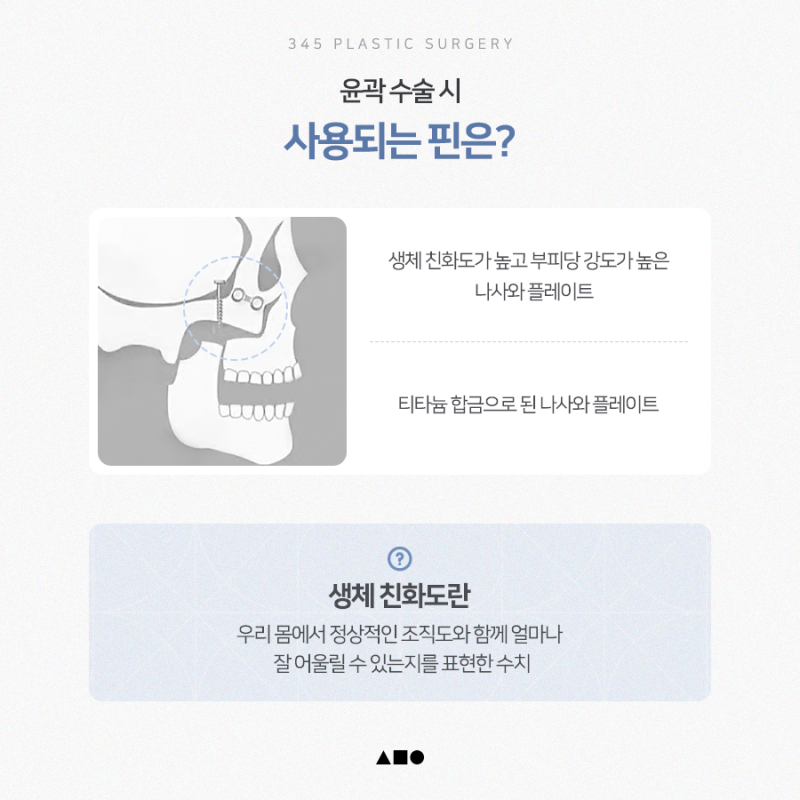
The pins used in facial contouring surgery are primarily made of a titanium alloy. Titanium does not corrode within the human body and has very high biocompatibility, making it a safe metal widely used in artificial joints and dental implants.
Therefore, medically speaking, keeping them in your body for a lifetime rarely causes any major issues. However, many patients choose to remove them due to the psychological burden of having a foreign body or concerns about them showing up on future medical scans.
When is the Best Time for Facial Contouring Pin Removal?
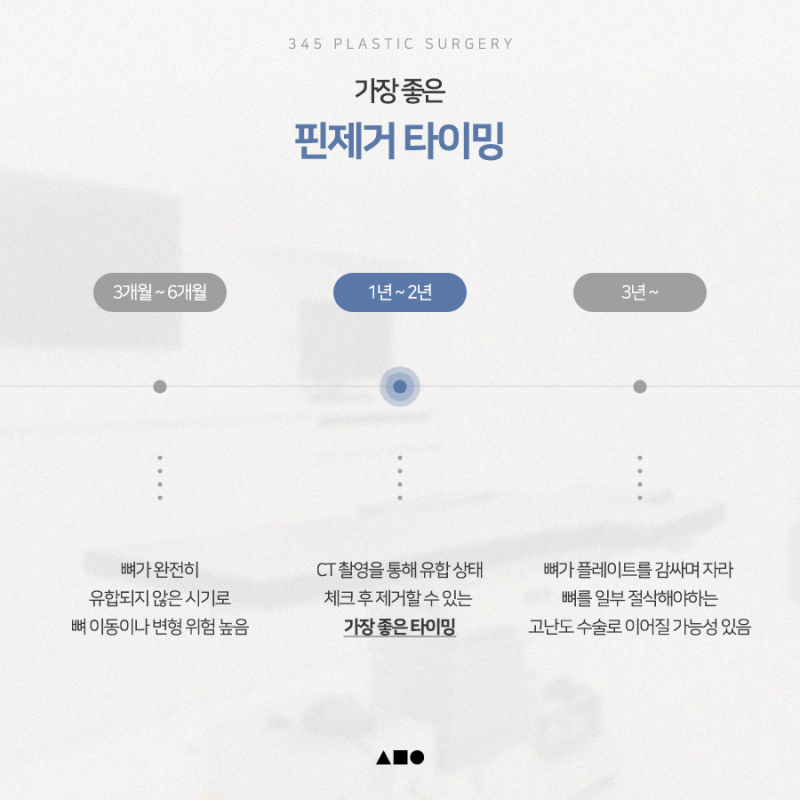
Facial contouring pin removal should be performed after the bones have completely fused. Generally, 3 to 6 months post-surgery is too early for removal, as bone union is still in progress.
The most recommended timing is between 1 and 2 years after surgery. During this period, bone union is solid, minimizing the risk of bone deformation, and the pins have not yet excessively fused with the bone, allowing for relatively smooth removal.
When Pin Removal is Absolutely Necessary
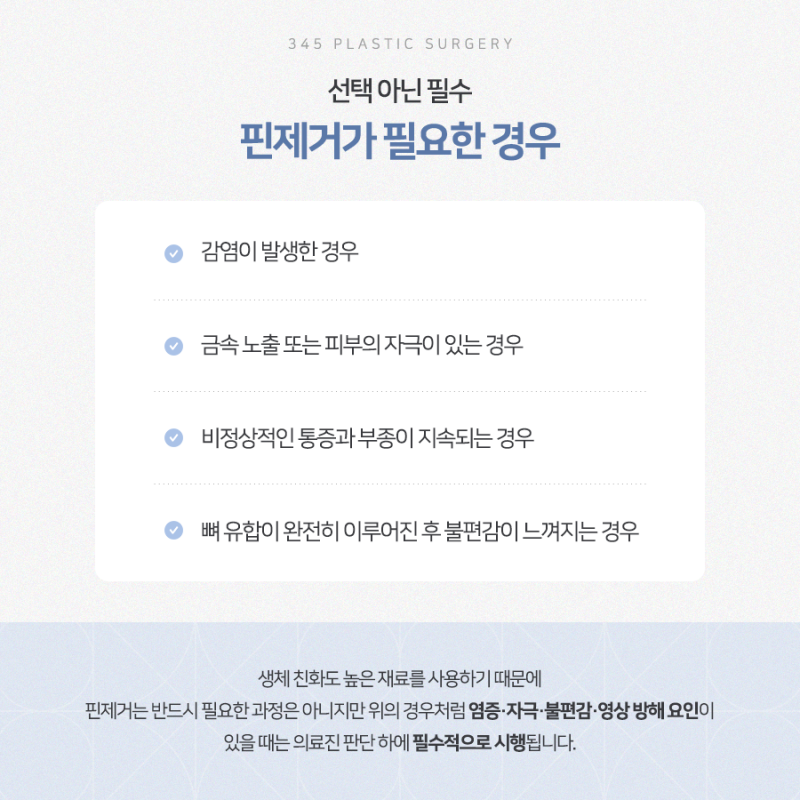
Unlike elective removal, there are situations where pin removal may be medically necessary based on a specialist's assessment:
- If an infection or inflammatory reaction occurs
- If the metal hardware can be felt through the skin or causes irritation
- If abnormal pain or swelling persists
- If bone union is complete but discomfort is felt in a specific area
Precise Diagnosis and Safe Surgical System
At 345 Plastic Surgery, we use CT (Computed Tomography) analysis to closely examine the exact location of the pins and the condition of the surrounding bone tissue. Based on this, we establish a personalized removal solution for each individual.
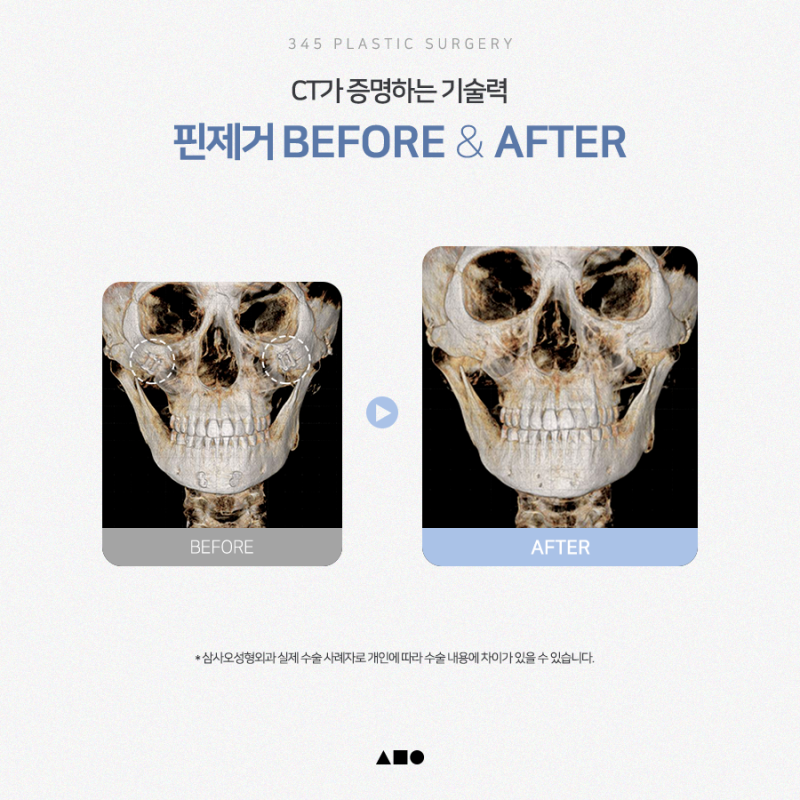
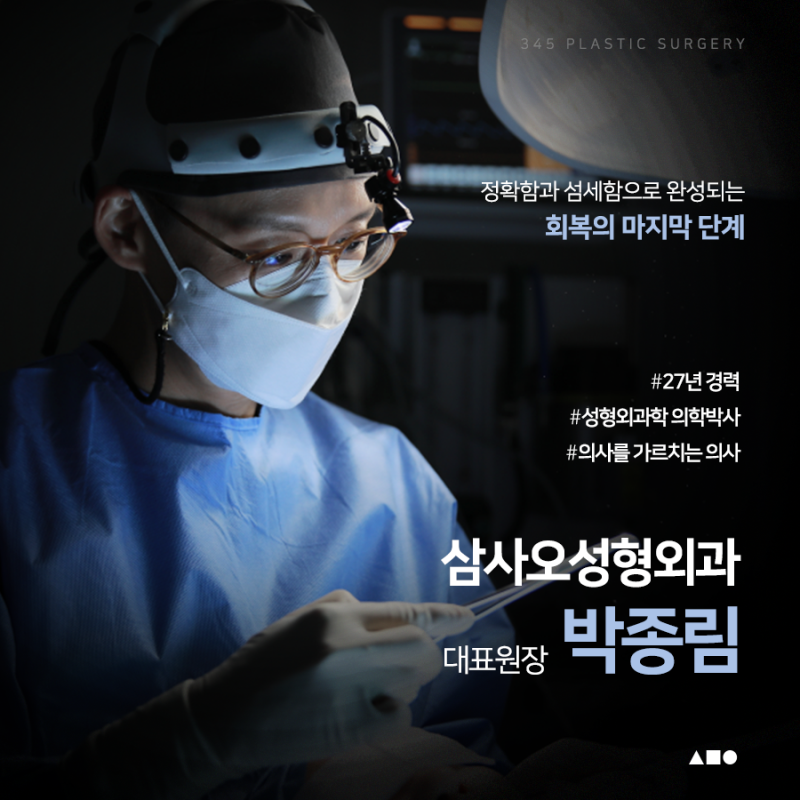
It is important that the facial contours remain natural and firm even after the surgery. Under the operation of Chief Surgeon Dr. Park Jong-lim, who has over 27 years of experience, the surgery is performed meticulously with delicate techniques to minimize tissue damage.
A Reliable Recovery Environment
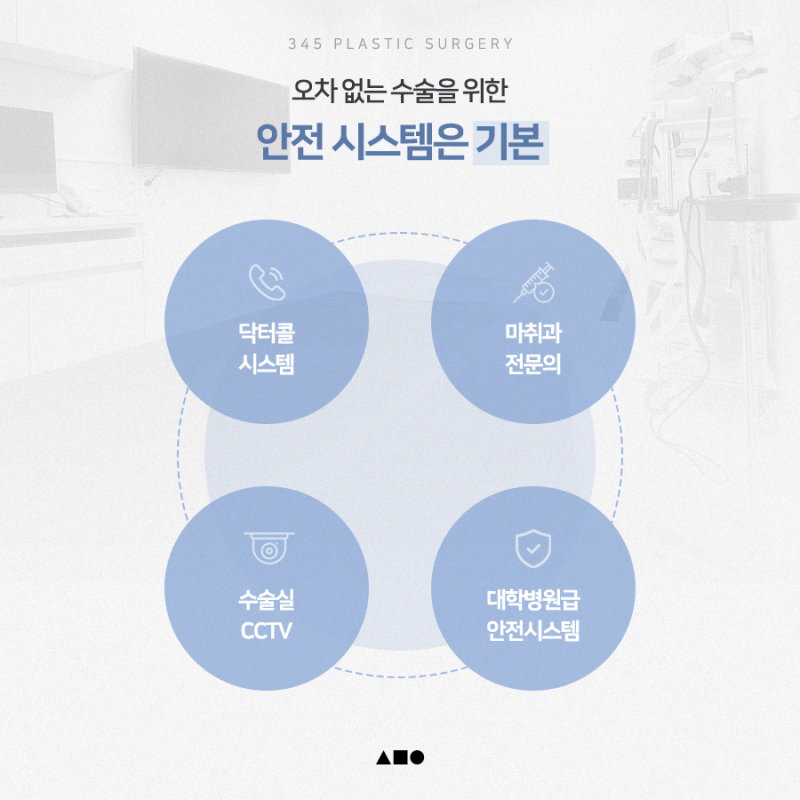
At 345 Plastic Surgery, patient safety is our top priority. We are equipped with a university hospital-level safety system, and a board-certified anesthesiologist is on-site to monitor the entire surgical process. Additionally, we operate operating room CCTVs and a Doctor Call system to create an environment where you can receive treatment with peace of mind.
If you are considering pin removal, the true final step of facial contouring surgery, we encourage you to consult with a clinic capable of providing a systematic diagnosis.
Frequently Asked Questions
Do I have to remove the pins after facial contouring surgery?
No, it is not absolutely necessary to remove them. The pins used in surgery are made of titanium, which is harmless to the human body, and medically, there are no major problems even if they remain in the body for life. However, many people choose to remove them due to psychological burden, foreign body sensation, or concerns about X-ray exposure.
What is the most appropriate time for facial contouring pin removal surgery?
The period between 1 and 2 years after surgery is most recommended. 3 to 6 months after surgery is too early as the bones are still fusing. At the 1 to 2 year mark, bone union is firmly completed, and before the pins become excessively adhered to the bone, they can be removed relatively smoothly and safely.
Are there any side effects that require mandatory pin removal?
Yes, if infection or inflammatory reactions occur, they must be removed. Additionally, if the metal object can be felt on the skin surface or causes irritation, if abnormal pain or swelling persists, or if discomfort is felt in a specific area even after the bones have fully healed, removal may be necessary based on the medical team's judgment.
What tests are performed before pin removal surgery?
A CT (Computed Tomography) scan is performed to analyze the condition. Through CT, the exact location of the pins and the condition of the surrounding bone tissue are closely identified, and based on this, a safe and precise removal solution tailored to the individual patient is established.
How is anesthesia administered during pin removal surgery?
An anesthesiologist is present to safely monitor the entire surgical process. We provide a reliable environment where patients can undergo pin removal surgery with peace of mind, equipped with university hospital-level safety systems, operating room CCTV, and a doctor call system.