2026-06-04
Is Pin Removal Essential After Facial Contouring? Timing and Titanium Fixation Device Management
Many people wonder if it is essential to remove the fixation pins (plates and screws) left in the face after facial contouring surgery. Thanks to the high biocompatibility of titanium, removal is not strictly necessary. However, if there are psychological factors or physical irritation, removal can be considered one year after the surgery. Here is a summary of the appropriate timing and precautions for pin removal.

Are the 'Pins' Left After Facial Contouring Surgery Essential to Remove?
One of the most frequently asked questions by patients after their recovery period from facial contouring surgery is, 'Do I really need to remove the fixation pins inserted during surgery?' This is because they worry whether it is safe for the devices used to fix the moved facial bones to remain in their bodies. Today, together with 345 Plastic Surgery, we will take an in-depth look at what facial contouring pins are and the necessity of their removal.
1. The Identity of Fixation Devices (Pins) Used in Contouring Surgery
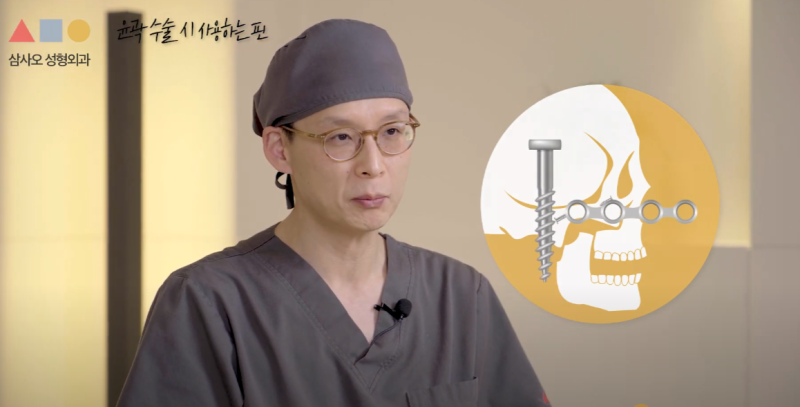
Although commonly called 'pins', the exact medical terms are plates and screws. Facial contouring surgery involves cutting and moving facial bones to a new position, and these devices act as supports to ensure the moved bones do not shift and achieve a solid union (bone consolidation).
- Orthopedic vs. Plastic Surgery Use: While orthopedics uses large, sturdy pins for leg or arm bones that must support body weight, plastic surgery uses relatively small and precise titanium materials tailored to the delicate structure of facial bones.
- Characteristics of Titanium Alloy: It has a low risk of corrosion within the human body and boasts excellent biocompatibility. Being lightweight yet highly durable, it is known to be safe even when left inside the body for a long time.
2. Is Facial Contouring Pin Removal Absolutely Necessary?
To give you the conclusion first, it is not medically mandatory to remove them. The aforementioned titanium material rarely causes foreign body reactions in our body, so keeping it for a lifetime will not interfere with daily life. In fact, many people live without undergoing a separate removal surgery.
Cases Where Pin Removal is Still Considered
Although not medically essential, removal may be decided based on the patient's situation for the following reasons:
- Psychological Discomfort: When the mere fact of having a metallic foreign object in the body causes stress or psychological anxiety.
- Physical Irritation: When a pin fixed in a specific area can be felt through thin skin, or when slight pain or a foreign body sensation is felt during mastication (chewing).
- Preparation for Other Surgeries/Treatments: When wanting to avoid interference during future dental treatments or other facial surgeries.
3. The Golden Time for Pin Removal: 1 to 2 Years Post-Surgery
If you have decided to remove the pins, choosing the right timing is crucial.
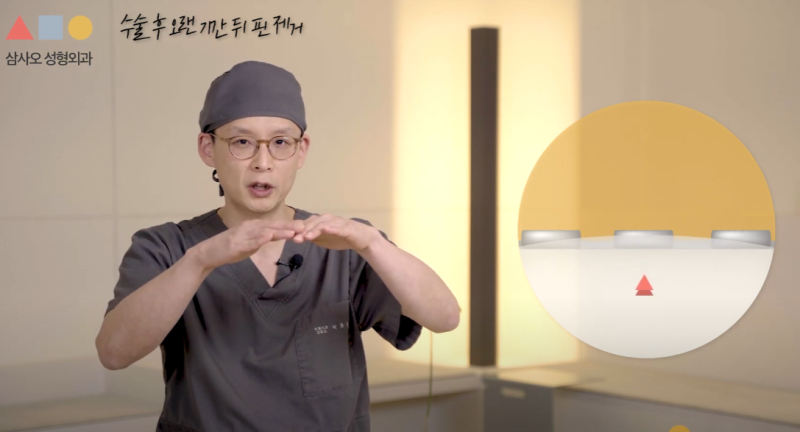
The most recommended time is at least one year after the surgery. This is because the osteotomized bones must have sufficiently reunited (bone union) and recovered enough to maintain their shape without the fixation devices.
Conversely, waiting too long also requires caution. Our bones constantly undergo a remodeling process, and if too much time passes, new bone tissue may cover the fixation devices. In this case, the removal process can become more complicated. Therefore, if you wish to have them removed, consulting with a specialist within 1 to 2 years post-surgery will aid in a smooth recovery.
Conclusion
Facial contouring pin removal is a choice, not a necessity. You can trust the safety of titanium and leave them as they are. However, if you wish to remove them for personal reasons, please consider doing so after one year when the bones have fully recovered. To accurately assess your bone condition, a precise diagnosis by an experienced specialist should be prioritized.