2026-06-04
Facial Contouring Reviews and Post-Op Precautions: A Guide from Swelling Management to Diet
Systematic aftercare is essential to achieve a smooth facial line after facial contouring surgery. Based on the advice of Dr. Park Jong-lim, Chief Surgeon at 345 Plastic Surgery, this guide summarizes key information, including hot and cold compress methods immediately after surgery, when to resume exercise, medication precautions, and sleeping positions and diets that aid recovery.
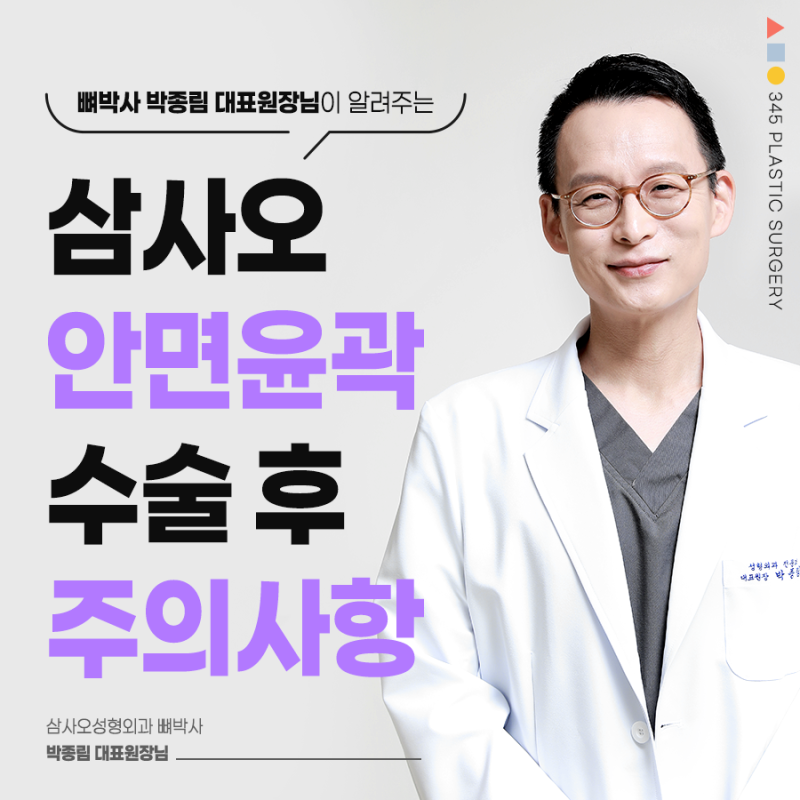
An increasing number of people are choosing Facial Contouring Surgery to achieve a smooth and refined facial line. However, aftercare is just as important as the surgery itself. Looking at facial contouring reviews, it is evident that care during the recovery period significantly impacts the final results. Today, along with Chief Surgeon Dr. Park Jong-lim, we will explore the essential precautions you must know for a safe and successful recovery.
1. The Key to Relieving Swelling: How to Use Cold and Hot Compresses
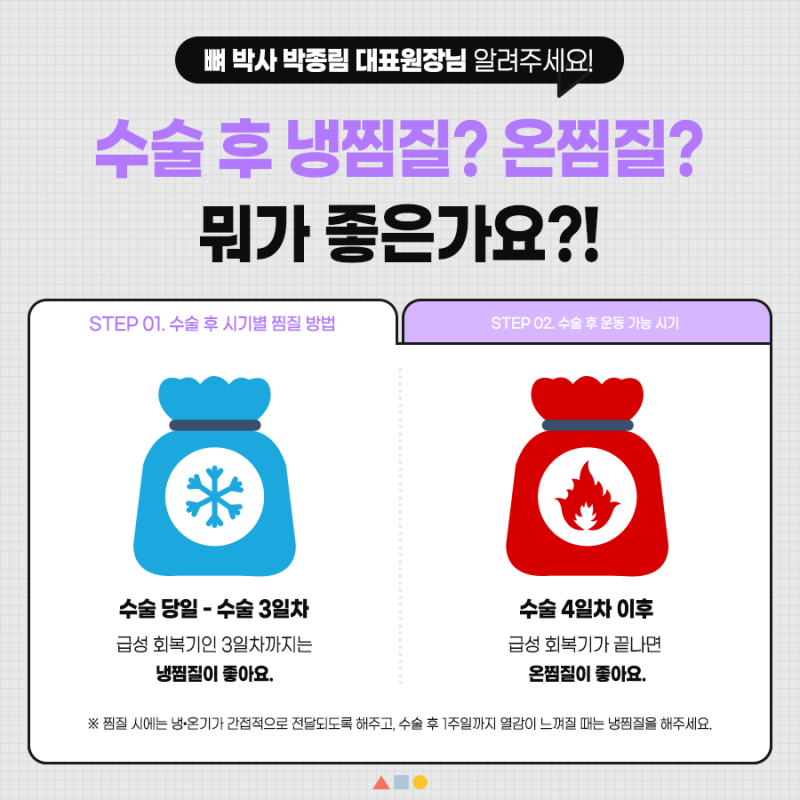
Post-operative swelling management methods vary depending on the stage of recovery. Accurately distinguishing and applying these methods is the key to a fast recovery.
- Day of Surgery to Day 3 (Acute Recovery Phase): This is when the surgical site swells the most. During this time, cold compresses are recommended. Cold compresses constrict blood vessels to help stop bleeding and prevent swelling from worsening. However, since sensation may be temporarily reduced after surgery, there is a risk of frostbite. Therefore, you must wrap the ice pack in gauze or a handkerchief to deliver the cold indirectly.
- Day 4 and Onwards: Once the acute swelling begins to subside, switch to hot compresses. Hot compresses promote blood circulation to remove residual swelling and aid in the elimination of waste products. Taking a lower-body bath (half-bath) can also positively help improve blood circulation.
2. When to Resume Exercise and Daily Activities
It is best to gradually increase your activity level after surgery according to your condition.
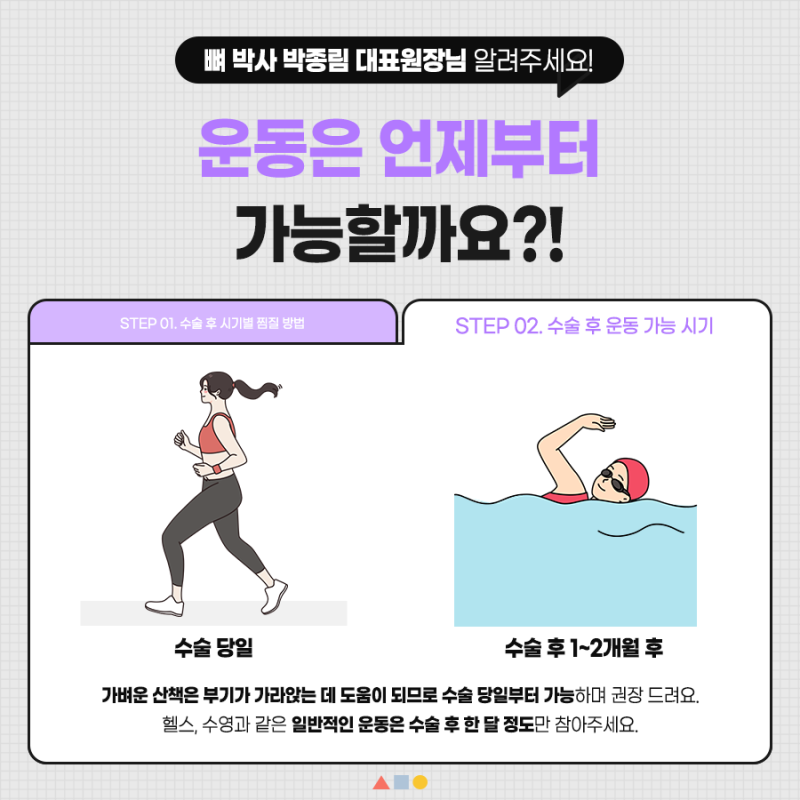
- Light Strolling: This is possible from the day of surgery, and moderate walking is effective in removing swelling by facilitating blood flow.
- High-Intensity Exercise: Exercises that can raise blood pressure or impact the surgical site, such as weightlifting, swimming, and ball sports, are recommended to be started 1 to 2 months after surgery following a consultation with a specialist.
3. Proper Medication Guidelines: Blocking Factors that Hinder Hemostasis and Recovery
It is important to strictly follow the instructions for prescribed medications. In particular, if you have any pre-existing medications, prior coordination is necessary.
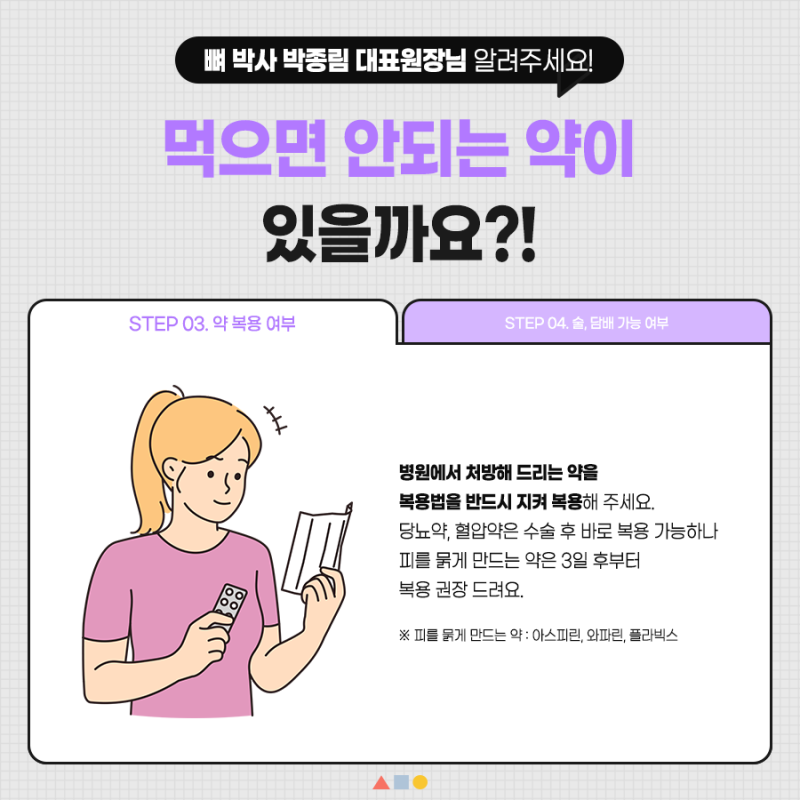
- Safe Medications: Diabetes or blood pressure medications can generally be taken immediately after surgery.
- Medications to Avoid: Medications containing ingredients that thin the blood and interfere with hemostasis, such as Aspirin, Warfarin, and Plavix, are safe to take starting at least 3 days after surgery.
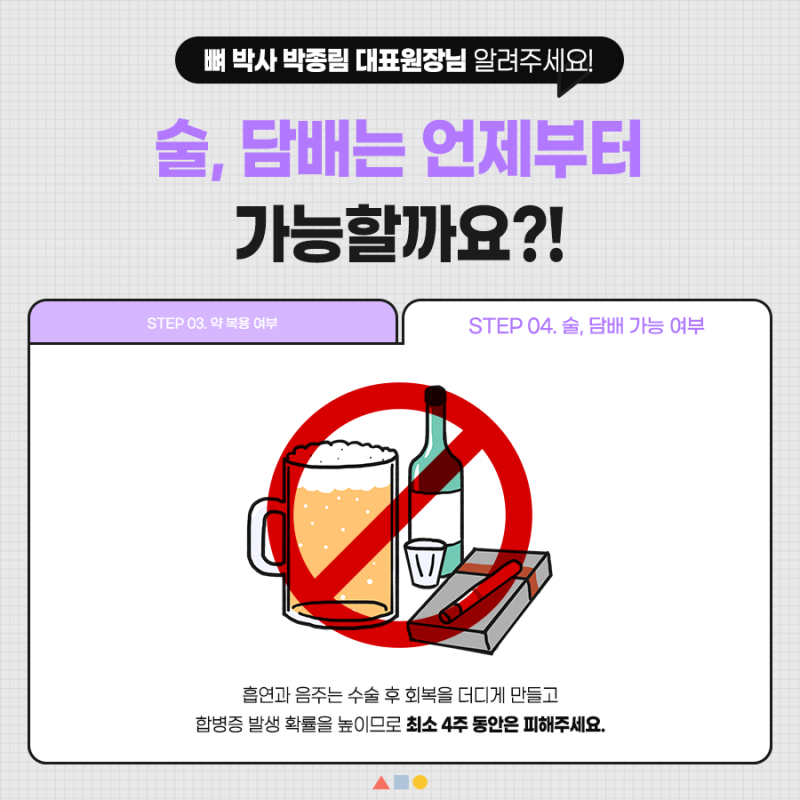
4. Abstaining from Alcohol and Smoking: Essential Conditions for Preventing Nonunion and Inflammation
Drinking and smoking are the most critical factors that hinder recovery. It is highly advisable to avoid them for at least 4 weeks.
- Alcohol: Alcohol raises blood pressure and pulse rate, and weakens the immune system (white blood cell activity), increasing the risk of infection.
- Smoking: Nicotine constricts blood vessels, blocking the supply of oxygen and nutrients to the tissues. This can cause severe side effects such as nonunion (where the bones fail to heal together) or bone resorption.
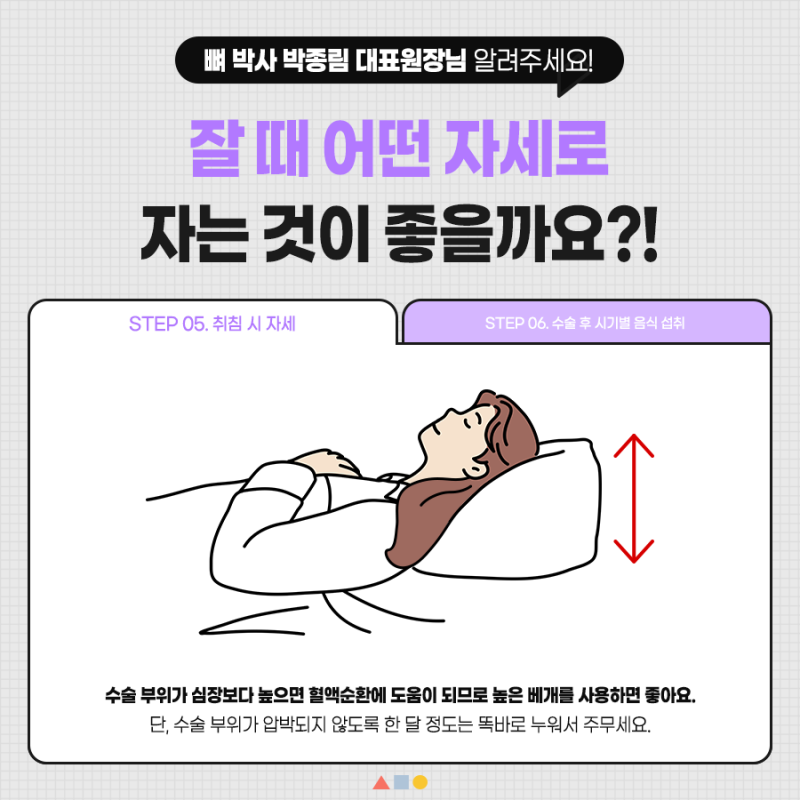
5. Sleeping Posture and Diet to Aid a Safe Recovery
Since this surgery involves facial bones, it is crucial to avoid physical pressure.
- Sleeping Posture: To prevent pressure on the surgical site, it is recommended to sleep lying flat on your back, facing the ceiling, for about a month. Keeping your head slightly higher than your heart helps with blood circulation and swelling reduction. If your posture changes while sleeping, placing pillows around you to secure your body is also a good method.
- Diet Guide: Recovery requires many nutrients, so you should not skip meals. Start with a liquid diet (milk, soy milk) in the beginning, and gradually transition to soft foods like porridge, soup, and steamed eggs. Hard, chewy, or very spicy and hot foods should be avoided for about 3 months to prevent irritation to the surgical site.
At 345 Plastic Surgery, Chief Surgeon Dr. Park Jong-lim personally oversees the entire process from consultation to surgery and progress monitoring, ensuring a safe recovery for our patients. We hope you achieve the beautiful results you desire by carefully following the prescribed precautions.



Frequently Asked Questions
How do I manage swelling after facial contouring surgery?
Apply cold compresses for the first 3 days after surgery, and then switch to warm compresses from day 4 onwards. Cold compresses are recommended from the day of surgery up to day 3 to prevent acute swelling and bleeding, while warm compresses are better from day 4 to promote blood circulation and reduce residual swelling.
When can I exercise after surgery?
Light walks are possible from the day of surgery, but high-intensity exercise should be delayed for 1-2 months. Walking helps improve blood flow and reduce swelling. However, exercises that raise blood pressure or cause impact, such as weightlifting or swimming, should only be started after consulting with a specialist.
Can I take my usual medications immediately after surgery?
The timing for taking medications varies depending on the type of drug. Diabetes and blood pressure medications can be taken immediately after surgery. However, medications that thin the blood and interfere with hemostasis, such as aspirin or warfarin, should be taken at least 3 days after surgery for safety.
When can I drink alcohol and smoke after surgery?
You should abstain from alcohol and smoking for at least 4 weeks. Alcohol increases the risk of infection, and smoking constricts blood vessels, which can lead to serious side effects like non-union or bone resorption, so both must be avoided during the recovery period.
What should I eat after facial contouring surgery?
Initially, you should start with a liquid diet and gradually transition to soft foods. It's best to start with liquids like milk or soy milk, then move on to porridge, soup, and steamed eggs. To avoid irritating the surgical site, hard, chewy, spicy, or hot foods should be avoided for about 3 months.