2026-06-04
Creating a Three-Dimensional Face with Facial Contouring Surgery: Dr. Park Jong-lim of Gangnam 345 Plastic Surgery Clinic
A soft oval face shape and a three-dimensional profile are aesthetic traits preferred by many. Going beyond simply reducing the size of the face, we explore in detail the core principles of facial contouring surgery—which enhances dimensionality by repositioning highlight points—and the advantages of paranasal augmentation (noble surgery) using autologous bone.
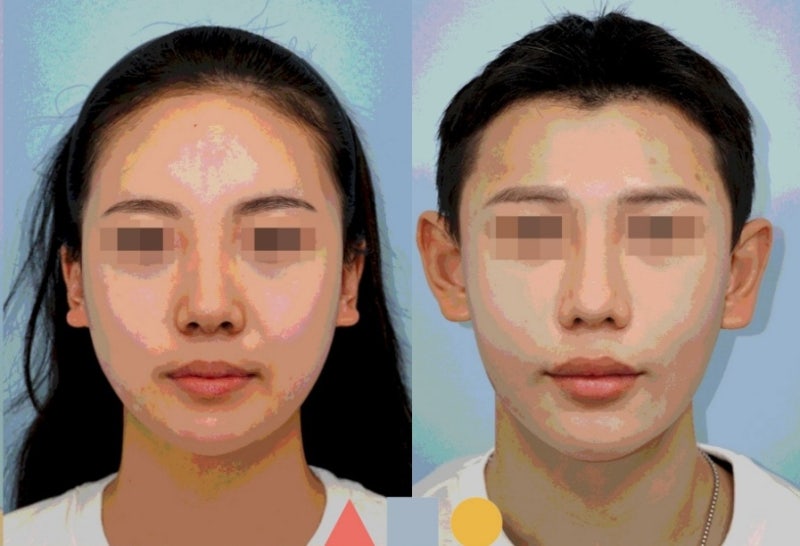
Conditions for a Three-Dimensional Face: The Position of Facial 'Highlights'
When thinking of a beautiful face, people often imagine a small, soft oval line and a smooth forehead curve. However, from an expert's perspective, a more important factor is the dimensionality of the face. If a face is flat or has a concave crescent shape, it can make you look older than your actual age, whereas a face with appropriate volume gives a vibrant and refined impression.
Many people first think of fillers or fat grafting for added volume, but you can also expect significant improvements in dimensionality through facial contouring surgery. This is because it is not simply a surgery that shaves down the bone, but rather involves a process of repositioning the 'highlight points'—the highest points of the face—to their ideal locations.
3-Type Facial Contouring: Three-Dimensional Changes Through Highlight Repositioning
At 345 Plastic Surgery Clinic, the 3-type facial contouring surgery reduces the horizontal width of the face while simultaneously improving a flat impression. Looking at the process of change through an actual model case, the difference is distinct.


Before surgery, the center of the face was flat and the outer cheekbones protruded, which easily gave a harsh impression. After surgery, the facial highlights are concentrated in the center, making it look much more three-dimensional. When verified through posterization (contour line analysis), you can see that the highest points, which were previously spread wide, have gathered toward the center, making the face appear smaller and more defined.
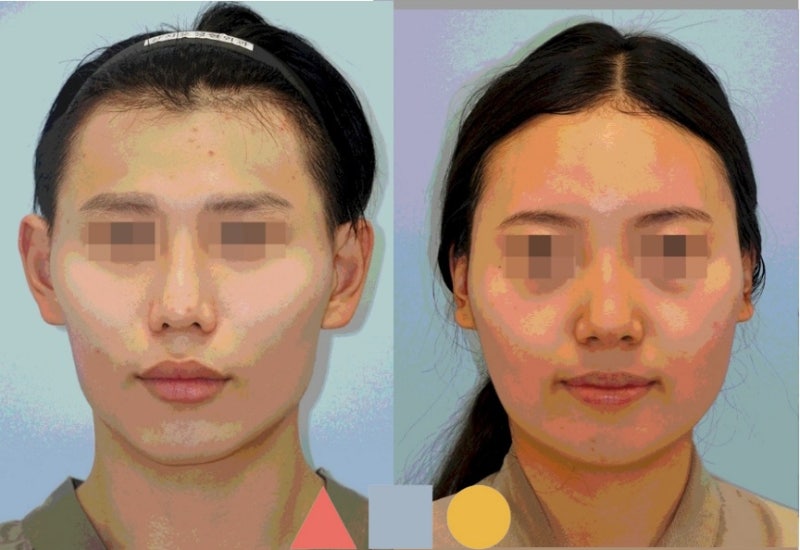
Precise Design by Bone Surgery Expert Dr. Park Jong-lim
The face is not a flat surface but a three-dimensional structure. Therefore, an analysis that can enhance dimensionality from all directions—including the front, side, and 45-degree angles—is essential. Dr. Park Jong-lim of 345 Plastic Surgery Clinic provides in-depth medical care based on over 20 years of bone surgery experience and facial contour reconstruction experience at a national hospital.
In particular, if the mid-face appears sunken, making nasolabial folds look deep or making you look older, paranasal augmentation (noble surgery) using autologous bone excised during contouring surgery can be performed concurrently.
- Features of Autologous Bone Noble Surgery: Instead of artificial implants or fillers, your own bone is refined and grafted.
- Advantages: There is less feeling of a foreign body, it is natural, and it can maintain stable volume in the long term.
- Expected Effects: By filling the sunken areas next to the nostrils, you can expect improvement in a protruding mouth and a more youthful appearance.

Precautions and Side Effects Guide for a Safe Recovery
As facial contouring surgery requires a high degree of expertise, it is important to clearly understand the potential side effects and the recovery process.
- Potential Side Effects: Temporary sensory loss, swelling, asymmetry, and rarely nerve damage may occur after surgery, so a consultation with an experienced specialist is essential.
- Recovery Period: Major swelling subsides in about 1 to 2 weeks, allowing a return to daily life, but regular follow-up observations are required for several months until the bones fully settle into place.
- Contraindications: For about a month after surgery, you should avoid drinking, smoking, and strenuous exercise to lower the possibility of inflammation.
Frequently Asked Questions
Can facial contouring surgery enhance the three-dimensionality of my face?
Yes, you can expect a significant improvement in facial three-dimensionality. Facial contouring surgery is not just about shaving bones; it repositions the highlight points, which are the highest points of the face, to an ideal location, making the face appear smaller and more defined.
Can I combine facial contouring surgery with 'Gwijok' (nasolabial fold augmentation) surgery?
Yes, it is possible to combine them. If the mid-face is sunken, making the nasolabial folds appear deep, autologous bone Gwijok surgery, which involves refining and grafting your own excised bone during the contouring surgery, can be performed simultaneously. This method results in less foreign body sensation and maintains stable volume long-term compared to artificial implants or fillers.
How long is the recovery period after facial contouring surgery?
Major swelling typically subsides in about 1-2 weeks, allowing for a return to daily life. However, it takes several months for the bones to fully settle, so it is important to visit the clinic for regular follow-ups during this period.
What are the possible side effects after surgery?
Temporary numbness, swelling, and asymmetry may occur after surgery, and rarely, nerve damage can happen. Facial contouring surgery requires a high level of expertise, so it is crucial to consult thoroughly with a skilled specialist before making a decision.
What are the contraindications to be aware of after surgery?
You should avoid alcohol, smoking, and strenuous exercise for about one month after surgery. Failure to adhere to these precautions can increase the risk of inflammation, so it is essential to strictly follow the clinic's instructions for a safe recovery.