2026-06-04
Key Criteria to Consider When Choosing 3-Type Facial Contouring Surgery: Harmony of the Cheekbones, Square Jaw, and Chin
3-type facial contouring surgery (zygoma reduction, square jaw reduction, and chin surgery) goes beyond simply shaving bones; it requires considering the overall harmony of the face from the front, side, and 45-degree angles. Through the analysis of Dr. Park Jong-rim of 345 Plastic Surgery, who has 20 years of experience, we explain how to achieve a three-dimensional face shape and the importance of precise consultation.
3-Type Facial Contouring Surgery: Why Consider All Three Simultaneously?
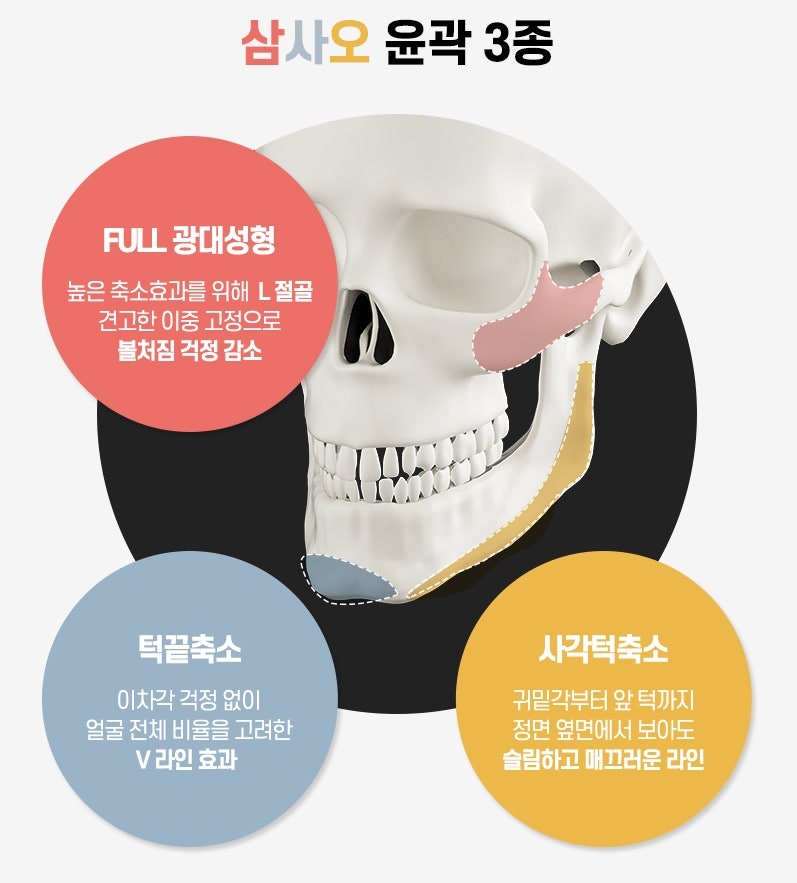
Those who have concerns about their face shape usually desire an overall smooth and small facial line rather than focusing on just one specific area. An effective alternative for this is 3-type facial contouring surgery. This is a method that balances the entire face by simultaneously performing zygoma reduction, square jaw reduction, and genioplasty (chin surgery).
If you want distinct changes from the surgery and wish to refine an overall harmonious face shape, a process of precisely analyzing each element is essential.
1. Square Jaw Reduction and Cortical Osteotomy to Maximize the Frontal Effect
Since the face is not flat, changes seen from the front must be considered. When the cheekbones are reduced, the width of the face narrows; accordingly, the width of the jawline must also naturally decrease to achieve an ideal proportion.
Simply resecting the square jaw alone may not result in a dramatic change in width from the front. In this case, combining cortical osteotomy (a technique that narrows the width by reducing the thickness of the outermost layer of the jawbone), jaw muscle resection, or buccal fat removal can create a slender-looking line even from the front.
2. FULL Zygoma Surgery to Enhance Three-Dimensionality from the Side and 45-Degree Angles
When the cheekbones are developed, the protruding bone under the eyes appears prominent not only from the front but also from a 45-degree lateral angle. Methods that simply shave down the cheekbone or only partially incise it may have limitations in providing three-dimensional changes.
Therefore, FULL zygoma surgery utilizes a method of dually fixating the front and side cheekbones to reduce the overall zygoma width and smoothly push in the 45-degree protruding area. Through this, you can expect a smooth facial line from any angle.
3. The E-Line and Chin Surgery to Complete a Perfect Profile
The straight line connecting the tip of the nose, lips, and tip of the chin on the side profile is called the E-line (Aesthetic Line). If the chin is pushed too far back (receding chin) or protrudes forward (prognathism), the balance of this line is disrupted.
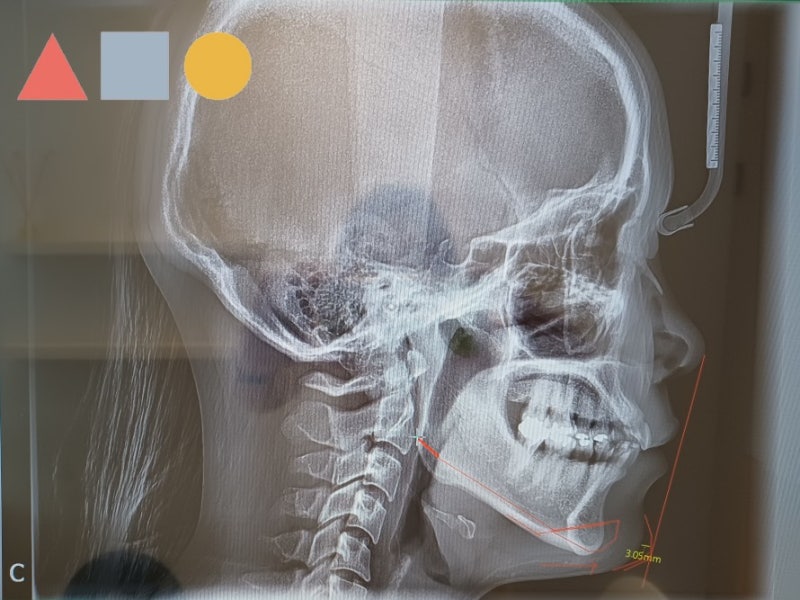
During chin surgery, the length is adjusted through T-osteotomy or inverted V-osteotomy, and the tip of the chin is repositioned to an optimized location for the E-line through forward or backward movement. This is a crucial step that determines the sophistication of the side profile.
4. The Importance of Precise Analysis and Quantified Consultation
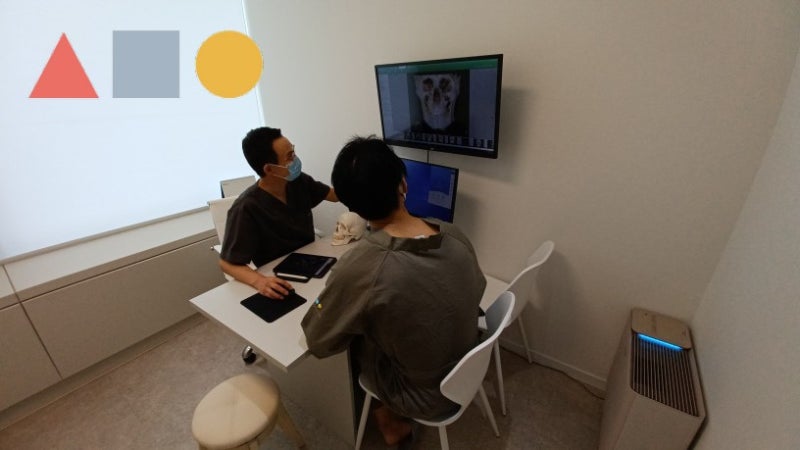
Experienced medical staff should analyze skeletal issues based on 3D CT images and present the resection and movement amounts in clear numbers. When predicting the range of change suited to one's facial conditions based on ideal facial proportions, patients can make their surgery decisions with greater peace of mind.
In facial contouring surgery, transparency during the consultation process is just as important as the results. Patients must be guaranteed the right to easily understand their bone structure and specifically recognize the post-operative changes.
Post-Operative Precautions and Care for Facial Contouring Surgery
- Swelling and Recovery: Swelling is most severe for 2 to 3 days after surgery, and gradually decreases thereafter. Cold compresses and light walks are helpful.
- Diet: Since the surgery is performed through intraoral incisions, you should consume soft foods such as thin gruel or porridge for about 1 to 2 weeks.
- Infection Prevention: You must gargle after meals to maintain oral cleanliness.
- Side Effects to Note: Depending on the individual, nerve damage, asymmetry, or nonunion may occur, so it is essential to consult thoroughly with an experienced specialist.
Frequently Asked Questions
What surgeries are included in the 3-in-1 facial contouring surgery?
Yes, it includes three procedures: zygoma reduction, mandible angle reduction, and genioplasty (chin surgery). These three surgeries are performed simultaneously to balance the overall face and help create a soft, smaller facial line.
What should I do to make my face look slimmer from the front?
It is effective to combine cortical osteotomy, masseter muscle resection, or deep buccal fat removal with mandible angle reduction. Simply resecting the mandible angle may result in minimal change in frontal width, so cortical osteotomy, which reduces the thickness of the outermost layer of the jawbone, can maximize the frontal effect.
How is genioplasty performed?
It is mainly performed using T-osteotomy or ㅅ-osteotomy methods. The length of the chin is adjusted and moved forward or backward to reposition the chin to match the ideal E-line (aesthetic line), where the tip of the nose, lips, and chin are connected in a straight line.
When can I eat regular food after surgery?
Generally, you can gradually start eating regular food about 1 to 2 weeks after surgery. Since the surgery is performed through an intraoral incision, you should consume soft foods like porridge or gruel for the first 1 to 2 weeks, and always gargle after meals to prevent infection.
When is the swelling most severe after surgery?
Swelling is most severe on the 2nd to 3rd day after surgery. During this period, applying cold compresses and taking light walks can greatly help reduce swelling, and thereafter, the swelling will gradually subside.