2026-06-04
Facial Asymmetry Correction: Facial Contouring vs. Orthognathic Surgery – Which is Right for You?
For those struggling with facial asymmetry, we explain the crucial differences and selection criteria between facial contouring and orthognathic surgery. From a board-certified plastic surgeon's perspective, we detail how correction methods vary depending on whether the issue lies in the jaw's axis and position or simply a difference in bone size.
Facial Asymmetry: Accurate Skeletal Analysis Comes First
Noticeable facial asymmetry every time you look in the mirror is a major concern for many. The most common question among those visiting a plastic surgery clinic to correct asymmetry is whether they need "facial contouring surgery" or "orthognathic surgery" (double jaw surgery).
Because facial bones are three-dimensional structures, asymmetry occurs due to complex causes—not just a simple issue of one side being longer or shorter, but also a misaligned central axis or differing rotations. Therefore, a precise analysis of bone measurements and angles through X-rays or 3D CT scans must precede any treatment.
What if the Jaw's Position and Central Axis are Misaligned? Orthognathic Surgery
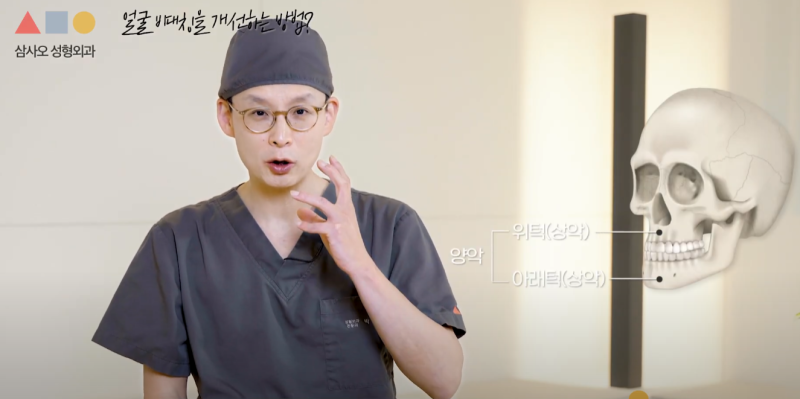
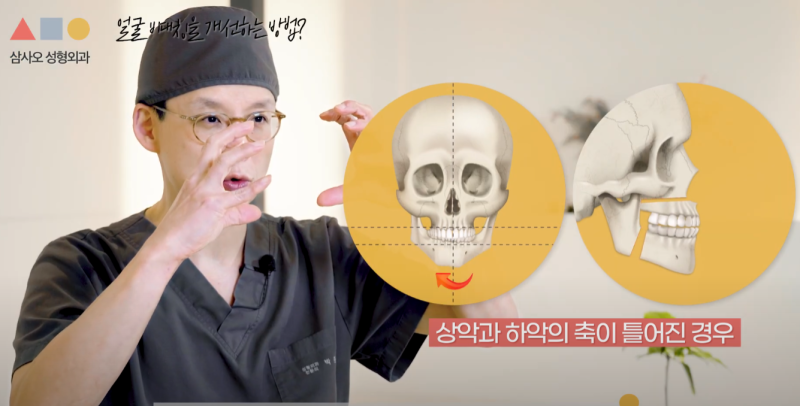
If the relationship between the upper jaw (maxilla) and lower jaw (mandible) is misaligned, or if the central axis of the entire face is crooked, orthognathic surgery can be an effective method to help achieve structural improvement.

Orthognathic surgery improves asymmetry by correcting the position or axis of the jaw. For example, it is highly beneficial when the forehead, eyes, and nose are positioned frontally, but the jaw is rotated to one side, or when the axes of the upper and lower jaws are misaligned with each other. Compared to facial contouring, it offers a wider range of adjustment, making it suitable for addressing structural defects.
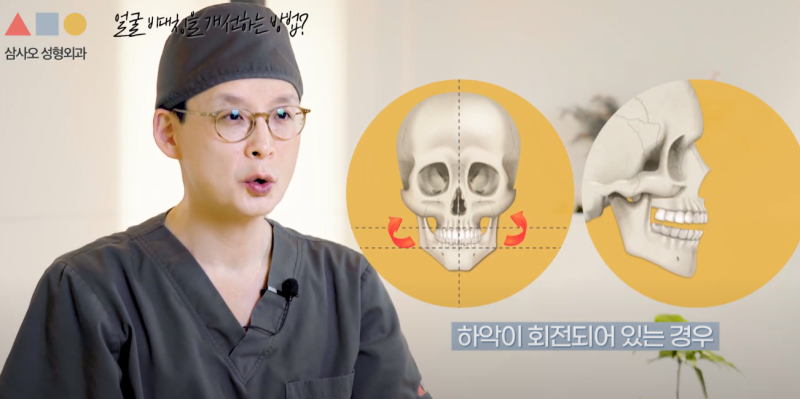
What if Bones in a Specific Area are Overdeveloped? Facial Contouring Surgery
Even if it is not an axis issue, it is common for the left and right jawbones to differ in size. For instance, a habit of chewing food on only one side can lead to the overdevelopment of the masticatory muscles and bones on that specific side.
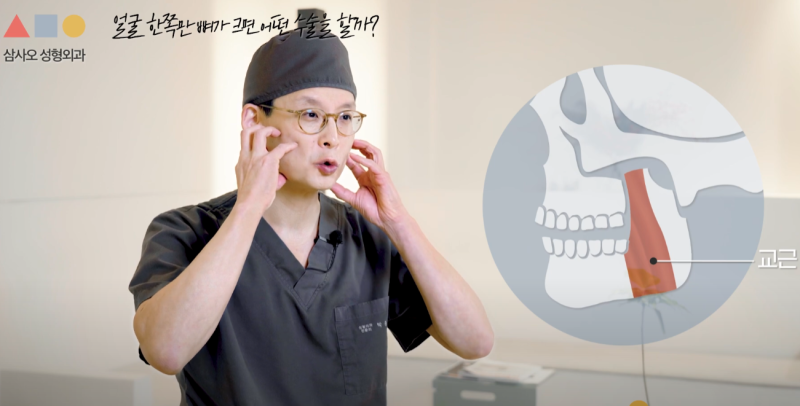
In such cases, rather than orthognathic surgery, facial contouring surgery is more appropriate. This method balances the left and right sides by resecting the relatively larger bone. By adjusting the volume of the chin tip or square jaw, you can expect a natural, more symmetrical facial line.
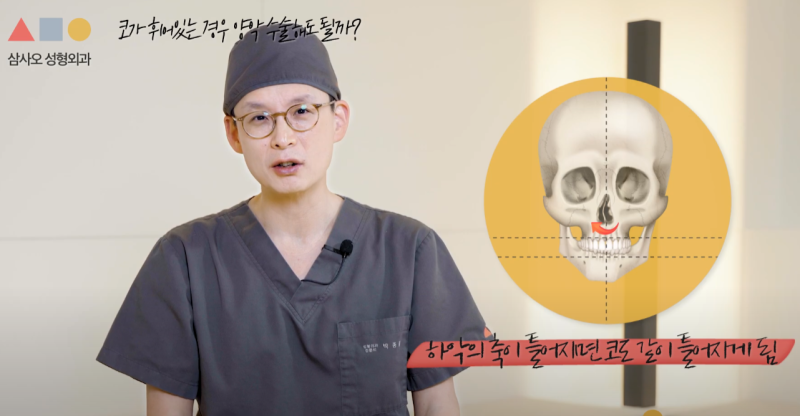
The Correlation Between a Deviated Nose and Lower Jaw Asymmetry
When the axis of the lower jaw is misaligned, the nose often appears deviated as well due to a compensatory mechanism. In this situation, it is crucial to analyze the harmony of the entire face.
- If only the nose is deviated: Rhinoplasty alone can provide sufficient improvement.
- If the skeletal structure itself is misaligned: Rhinoplasty should be performed concurrently or sequentially with orthognathic or contouring surgery to establish overall facial balance.
Because the causes of asymmetry vary greatly from person to person, it is important to establish a surgical plan optimized for your specific condition through an in-depth consultation with an experienced, board-certified plastic surgeon.



Frequently Asked Questions
When is double jaw surgery necessary for facial asymmetry correction?
It is necessary when the relationship between the upper and lower jaws is misaligned or when the central axis of the entire face is distorted. Double jaw surgery corrects the position or axis of the jaw to improve asymmetry, making it suitable for addressing structural defects where the jaw is rotated to one side or the axes of the upper and lower jaws are misaligned.
What surgery should be done when the left and right jawbone sizes are different?
Facial contouring surgery is suitable. If the problem is not with the central axis but rather due to habits like chewing on one side, leading to excessive bone development in a specific direction, facial contouring surgery can remove bone from the relatively larger side to balance the left and right sides and volume.
What examinations are needed before facial asymmetry surgery?
A precise analysis through X-ray or 3D CT scans is required. Since facial bones are three-dimensional structures, it is essential to accurately analyze bone measurements and angles to understand complex causes such as not just length, but also central axis distortion or rotation.
Can a crooked lower jaw make the nose appear crooked as well?
Yes, that's correct. If the axis of the lower jaw is misaligned, the nose often appears crooked as a compensatory reaction. If the cause is a distorted skeletal structure, it is necessary to perform double jaw or contouring surgery in conjunction with or sequentially with nose surgery to achieve overall balance.