2026-06-04
Facelift Effects: Will the Lifting Changes Be Significant for My Face Shape?
A facelift is a representative anti-aging surgery that improves sagging skin, but expected results vary depending on individual face shape and skeletal structure. Considering the strong retaining ligaments and lower facial sagging characteristic of Koreans, our professional editor summarizes customized surgical plans and combined procedures to enhance facelift effects.

Skin Sagging That Becomes a Concern with Age: Is a Facelift the Answer?
Sagging skin with age is a natural aging phenomenon, but its degree and cause vary greatly from person to person. A facelift is known as one of the effective methods to resolve these concerns. However, while some experience dramatic changes after surgery, others may get results that fall short of expectations. This is not simply due to differences in surgical technique, but stems from differences in the individual's face shape and skeletal structure.
Face Shapes That Show Noticeable Facelift Effects
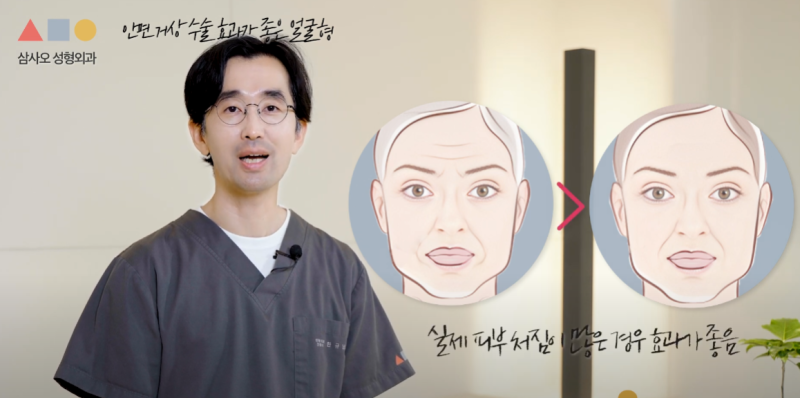
The satisfaction rate of a facelift tends to be proportional to the actual degree of sagging in the skin and soft tissues. Positive changes can be expected under the following conditions.
- When there is a lot of actual sagging: If the skin and internal tissues have actually moved downward, rather than just appearing saggy on the outside, there is a lot of excess skin that can be removed, making the effect distinct.
- When soft tissues are flexible: A smooth line is formed when the tissues under the skin have the flexibility to be pulled appropriately.
Characteristics of Korean Face Shapes That Limit Lifting Effects
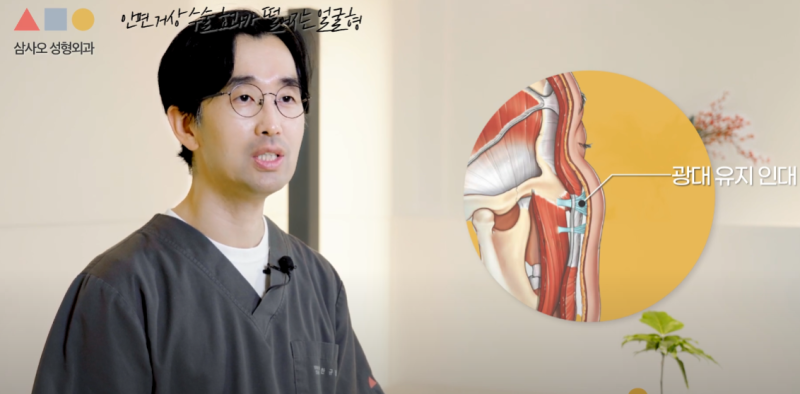
Korean patients have distinct characteristics in terms of skeleton and tissue compared to Westerners. In particular, the cheekbones (zygoma) are developed, and the zygomatic retaining ligaments that support them are quite firm.
- Strong support in the mid-face: Strong retaining ligaments play a positive role in preventing the tissues of the mid-face (the middle part of the face) from sagging downward, but they also act as a resistance factor when pulling the tissues up during lifting surgery.
- Complexity of nasolabial folds: Nasolabial folds, which many people worry about, are a complex combination of the degree of mouth protrusion, the size of the cheekbones, and the overall three-dimensionality of the face, in addition to simple skin sagging. Therefore, rather than completely erasing nasolabial folds with a facelift alone, it can be advantageous to combine it with other corrective methods.
Differences in Skin Aging Patterns Between Asians and Westerners
Westerners tend to have relatively smaller cheekbones and weaker support, so mid-face sagging tends to start earlier. On the other hand, Asians, including Koreans, have more prominent sagging in the lower face around the mouth and jawline rather than the mid-face.
- Westerners: Mid-face (under eyes, cheeks) sagging occurs early, which can cause the face to appear longer even at a young age.
- Koreans: The cheekbones support the tissues well, so mid-face sagging is relatively delayed, but lower face sagging, often called jowls (marionette lines), becomes a major concern.

Combined Solutions to Enhance Facelift Synergy
Aging is accompanied not only by a decrease in skin elasticity but also by a reduction in bone volume and the migration of fat. Therefore, rather than performing a facelift alone, it is recommended to balance the overall face by combining the following solutions.
- Liposuction and buccal fat removal: Excess fat accumulated in the lower face is removed to create a defined jawline.
- Fat grafting and fillers: Volume is added to sunken areas where the alveolar bone has shrunk or fat has been lost, restoring a three-dimensional appearance.
- Retaining ligament dissection: The firm retaining ligaments are appropriately released to allow the tissues to move sufficiently, requiring precise surgical techniques.

A facelift can only yield satisfactory results when the individual's skeletal structure and sagging patterns are accurately understood. We recommend establishing the most suitable customized lifting plan through thorough consultation with a specialist who possesses extensive anatomical knowledge.
Frequently Asked Questions
What face shape shows the most effective results from a facelift?
The most noticeable effects can be seen in face shapes with significant sagging of the skin and internal tissues, and flexible soft tissues. When there is ample excess skin to remove and the tissues are flexible enough to be properly tightened, a smooth line is formed after surgery, leading to high satisfaction.
How does facial aging differ in Koreans compared to Westerners?
Koreans tend to show sagging in the mid-face later than Westerners, but sagging around the mouth and jawline in the lower face is more prominent. Westerners often experience earlier mid-face sagging (under the eyes or cheeks) due to smaller cheekbones and weaker support, whereas Koreans' developed cheekbones provide better support for the tissues.
Can a facelift completely eliminate nasolabial folds?
No, it may be difficult to completely eliminate nasolabial folds with a facelift alone. Nasolabial folds are influenced by a combination of factors beyond simple skin sagging, such as the degree of mouth protrusion, the size of the cheekbones, and the overall three-dimensionality of the face, so combining with other corrective methods is often more advantageous.
What are some good complementary procedures to combine with a facelift?
These include liposuction, deep buccal fat removal, fat grafting, and retaining ligament release. Complementary treatments tailored to an individual's aging condition are recommended, such as removing excessive fat in the lower face to define the jawline, adding volume to sunken areas, or releasing strong retaining ligaments to facilitate tissue movement.