2026-06-04
Genioplasty: T-Osteotomy vs. V-Osteotomy Differences and Recovery Time Guide
Genioplasty is a core facial contouring surgery that determines the lower facial line. The representative osteotomy methods, T-osteotomy and V-osteotomy, each have distinct characteristics—chin width reduction and blood flow preservation, respectively. This guide provides a detailed explanation of the criteria for selecting the right surgical method for you and the differences in recovery time depending on the surgical direction.

The Core of Genioplasty: What are T-Osteotomy and V-Osteotomy?
Genioplasty is not simply about resecting bone; it is the process of refining the position and shape of the chin to create a sophisticated facial line. Depending on the patient's skeletal structure and desired improvement, two main methods are primarily utilized: T-osteotomy and V-osteotomy.

At a Glance: T-Osteotomy vs. V-Osteotomy
| Comparison Item | T-Osteotomy | V-Osteotomy |
|---|---|---|
| Osteotomy Method | Vertical/horizontal osteotomy followed by removal of the central bone fragment | Trimming the lower part of the bone into a 'V' shape |
| Main Advantages | Can dramatically reduce the overall width of the chin | Advantageous for blood flow preservation and high safety |
| Ideal Candidates | Those with a wide chin desiring significant reduction | Those desiring safe recovery and a natural line |
| Precautions | Note the possibility of bone resorption due to reduced blood flow | Limited in creating a very sharp, pointed line |
Characteristics and Precautions of T-Osteotomy
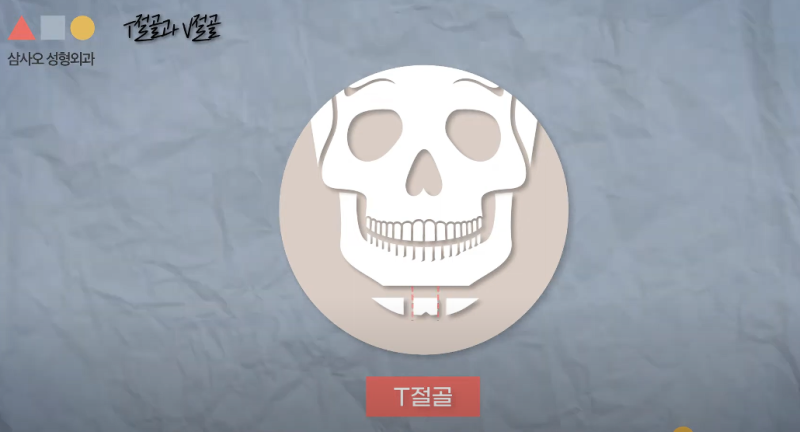
T-osteotomy is a method where the chin bone is cut into a 'T' shape, the middle bone fragment is removed, and both sides of the bone are gathered to the center and fixated. It is highly effective in reducing the horizontal width of the chin, making it advantageous for slimming down a blunt or wide chin.
However, during the process of fragmenting and realigning the bone, some connections with surrounding tissues may be severed. This can reduce blood flow to the bone, which rarely may lead to side effects such as bone resorption (a phenomenon where the bone dissolves into the surroundings). Therefore, precise execution by an experienced specialist is essential.
Advantages of V-Osteotomy and Blood Flow Preservation
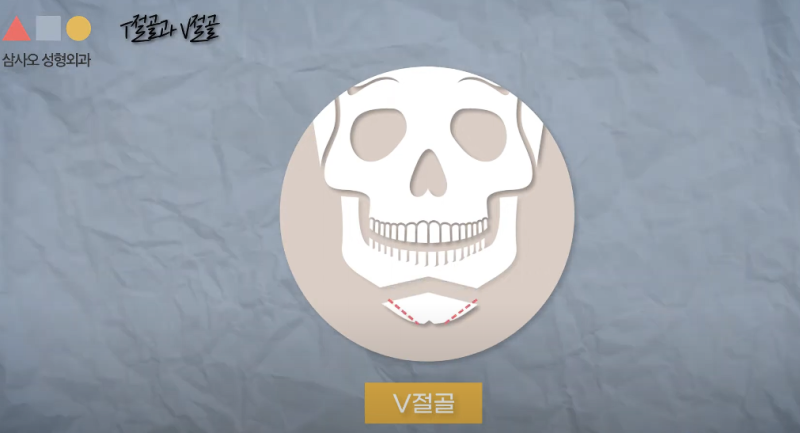
V-osteotomy is a method of smoothly trimming the lower border of the chin into a V-shape. Because the extent to which the bone is completely separated and moved is less than in a T-osteotomy, the blood flow supplied from the periosteum and surrounding soft tissues can be preserved more stably.
Particularly in surgeries that lengthen the chin, bone grafting is often accompanied. In these cases, the V-osteotomy method, which facilitates securing blood flow, is preferred to increase the engraftment rate. Additionally, even when reducing the length, it has the advantage of creating a smooth line while minimizing tissue damage.
Differences in Recovery Time Depending on Surgical Direction
The speed of recovery after genioplasty varies depending on the direction in which the bone was moved. This is due to the difference in the reaction of soft tissues such as skin and muscle.
- Advancement and Lengthening: When the chin is brought forward or lengthened, it moves in a direction that pulls the skin taut. As a result, the shape settles relatively quickly, and swelling tends to subside relatively early.
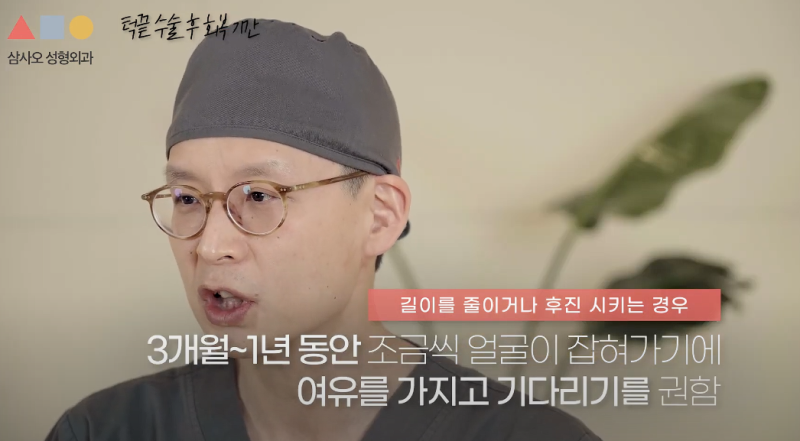
- Setback and Shortening: When the chin is pushed back or shortened, the remaining skin tissue becomes loose, requiring more time for the soft tissues to settle into place.
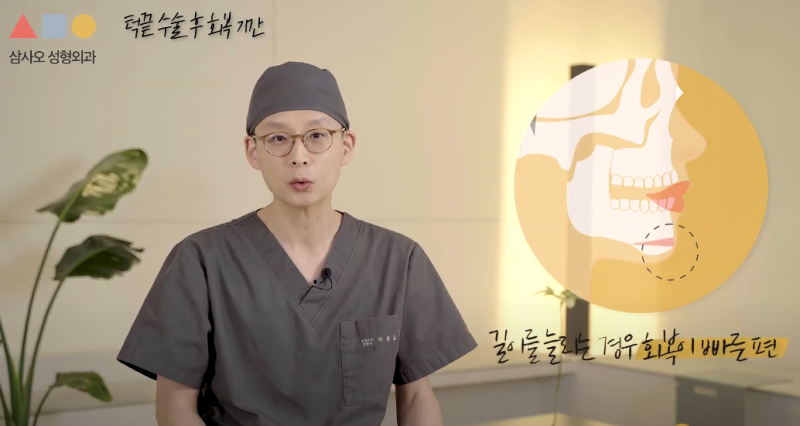
Usually, a return to daily life is possible about a week after surgery, but the final shape gradually changes and stabilizes over 3 months to as long as a year.
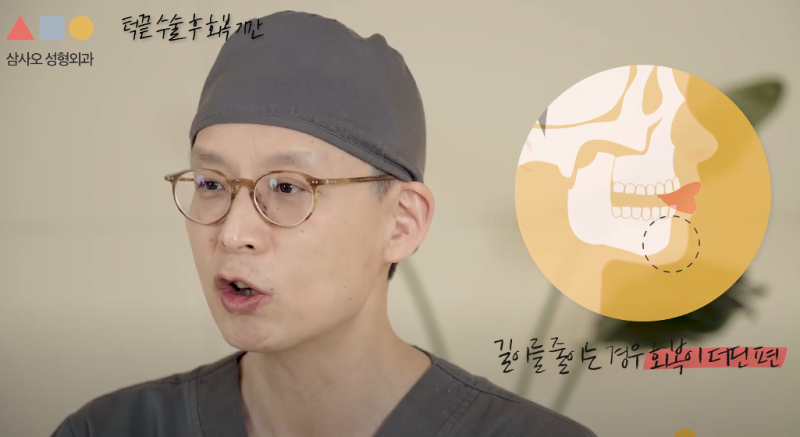
Crucial Considerations Before Genioplasty
Rather than simply following trendy surgical methods, you must comprehensively consider the location of your chin's nerve line, bone thickness, and the amount of soft tissue. At 345 Plastic Surgery, we propose the safest and most appropriate osteotomy method for each individual patient through precise diagnosis.
Striking a balance between your desired aesthetic goals and safety through sufficient consultation with your operating surgeon before surgery is the first step toward a successful genioplasty.
Frequently Asked Questions
What is the biggest difference between T-osteotomy and V-osteotomy?
The difference lies in the osteotomy method and its effects. T-osteotomy is effective in significantly reducing the width of the jaw by incising the bone in a T-shape and removing the central part, while V-osteotomy is advantageous for creating a natural line while preserving blood flow by trimming the lower border in a V-shape.
Are there any side effects to be aware of during T-osteotomy?
Yes, although rare, bone resorption can occur. This is because the connection with surrounding tissues can be severed during the process of fragmenting and reassembling the bone, leading to reduced blood flow. Therefore, precise surgery by a skilled specialist is absolutely necessary.
Which osteotomy method is best for lengthening the jaw?
The V-osteotomy method is preferred. When extending jaw length, bone grafting is often involved, and V-osteotomy is advantageous for more stably preserving blood flow to the periosteum and surrounding soft tissues, thereby increasing the success rate of the grafted bone.
How long is the recovery period until I can return to daily life after chin surgery?
Typically, it is possible to return to daily life about 1 week after surgery. However, the speed at which swelling subsides varies depending on the direction of bone movement, and it can take 3 months to as long as 1 year for the final chin shape to fully settle and stabilize.
Is recovery slower if the jaw is moved backward or reduced?
Yes, recovery takes longer compared to advancement or extension surgeries. This is because when the jaw is retracted or its length is reduced, there is excess skin tissue, and it takes more time for this soft tissue to settle into the new bone position.