2026-06-04
Guide to Diet Timing and Implant Selection Before and After Breast Surgery: The Key to Recovery and Natural Feel
Breast augmentation is a highly satisfying procedure, but results can vary depending on weight management before and after surgery and the choice of implants. From the impact of dieting on surgical outcomes to the differences between dual-plane and subfascial placement, implant safety, and recovery periods, we provide a detailed guide based on frequently asked questions to our board-certified plastic surgeons.
Dieting Before and After Breast Surgery: When is the Best Time?
One of the most common concerns for those planning breast augmentation is weight loss. To get straight to the point, drastic dieting right before or immediately after surgery is not recommended.

This is because securing a sufficient fat layer to cover the implant leads to a softer feel and more natural results after surgery. If dieting is absolutely necessary, it is advisable to reach your target weight before surgery and then determine the implant size based on your stabilized body condition. Simply gaining weight does not proportionally increase breast size, so it is important to consult with a specialist to establish an appropriate plan.
Incision Sites and Implant Placement: Dual-Plane vs. Subfascial
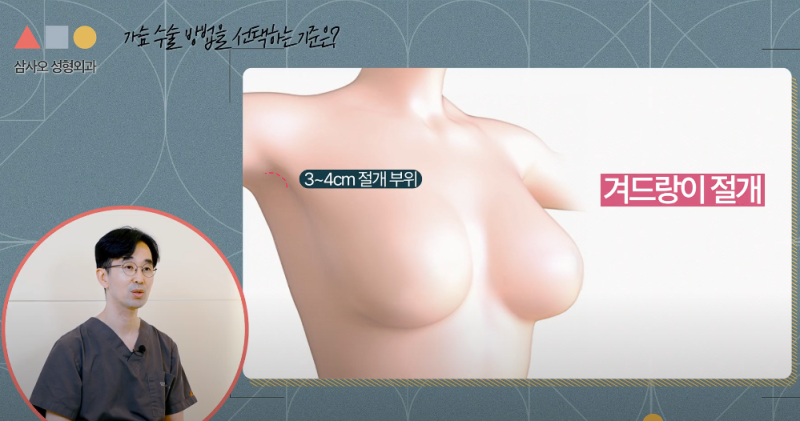
The choice of surgical method depends on the patient's body type and lifestyle. A transaxillary (armpit) incision has the advantage of hiding the scar so it is not visible, but because the dissection area is wider, wearing an upper band may be necessary during recovery.
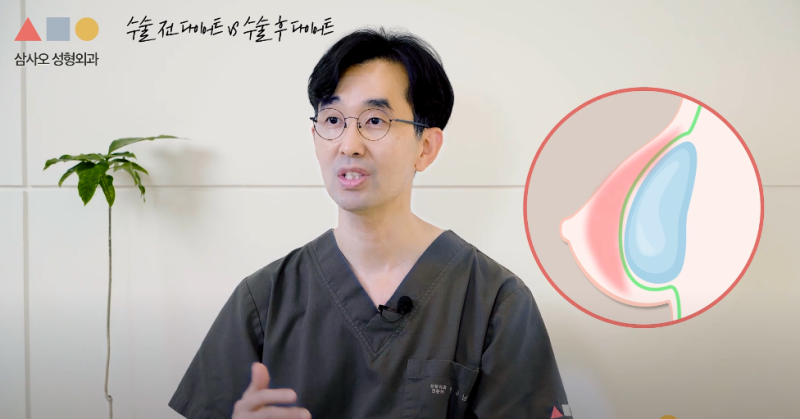
Regarding implant placement, the most commonly used method today is the dual-plane (submuscular placement) technique. However, if you are highly active, sensitive to implant movement, and have sufficient lateral soft tissue (skin and fat layers), the subfascial placement method can be a great alternative with relatively less pain and a lighter recovery burden.
Criteria for Implant Selection: Safety and a Natural Feel
The top priority when choosing an implant is undoubtedly safety. Thanks to technological advancements, modern implants have a significantly lower risk of rupture or capsular contracture (a condition where the scar tissue capsule hardens) compared to the past.
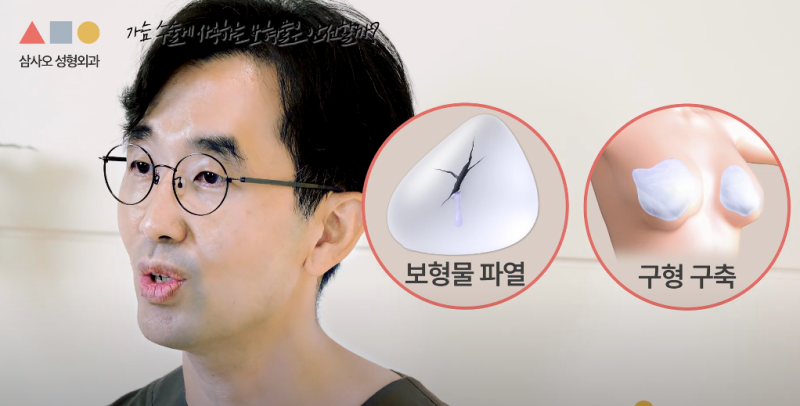
Among them, products that meet FDA approval standards, such as Motiva, receive positive evaluations for their feel because they form a thin capsule and have less rippling. However, since implant ruptures are often difficult to detect with the naked eye, it is necessary to monitor their condition through regular ultrasound examinations even after surgery.

Recovery Period and Aftercare Following Breast Augmentation
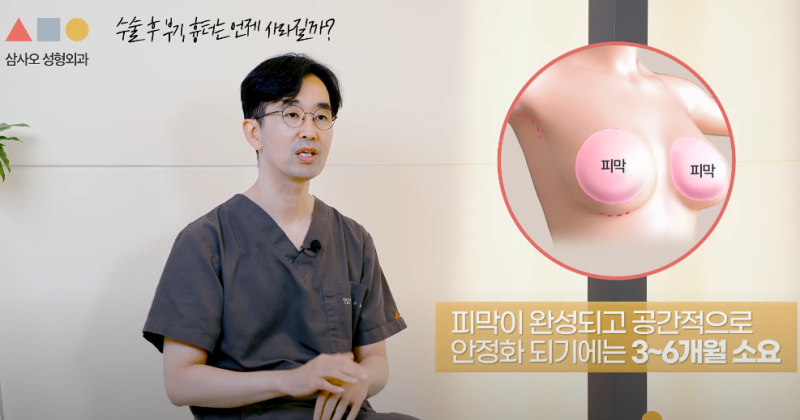
Post-operative swelling usually subsides to some extent after about 3 months, allowing you to go about your daily life without major discomfort. However, it takes about 6 months for the internal space to fully stabilize and the capsule to form, and at least 1 year of observation is required for the scars to completely settle.
- 3 months post-op: Swelling reduction and shape stabilization
- 6 months post-op: Tissue softening and tactile improvement
- 1 year post-op: Final evaluation period for scar recovery
X-ray Imaging and Concerns About Exposure in Daily Life
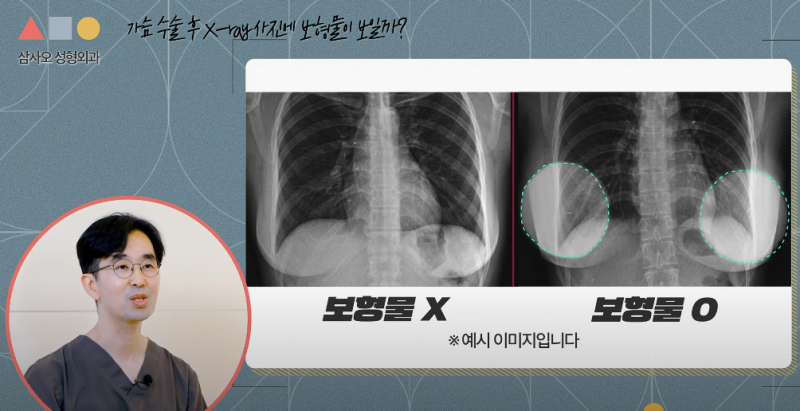
Many people worry that their implants will be exposed during health check-ups. While medical professionals can identify the presence of implants on an X-ray, it is not easy for the general public to notice them just by looking at the images. You can rest assured, as the likelihood of your surgery being easily noticed in everyday social life or by others is low.
Breast augmentation can yield favorable outcomes when accompanied by systematic planning and thorough consultation. We invite you to begin a safe and satisfying transformation with 345 Plastic Surgery.

Frequently Asked Questions
Can I diet before and after breast augmentation?
No, rapid dieting immediately before or after surgery is not recommended. This is because a sufficient fat layer around the implant is necessary for a soft and natural feel after surgery. If dieting is necessary, it is best to achieve your target weight before surgery and then decide on the implant size.
How is the implant placement determined?
It is determined based on the patient's body type and lifestyle. The most common method is dual-plane (submuscular insertion), but if you exercise frequently and have sufficient lateral soft tissue, subfascial insertion, which involves less pain and recovery burden, can also be a good alternative.
How long is the recovery period after breast augmentation?
Swelling usually subsides in about 3 months, allowing for daily activities. However, it takes about 6 months for the internal space to stabilize and the capsule to form, and at least 1 year of observation and management is required for scars to fully settle.
Are implants visible on health check-up X-rays?
Yes, medical staff can identify the presence of implants on X-rays. However, it is not easy for the general public to tell whether surgery has been performed just by looking at the photos, so you can rest assured that there is a low possibility of it being known to others in daily social life.
How can I check for breast implant rupture?
It can be checked through regular ultrasound examinations. Since implant rupture is often difficult to confirm with the naked eye, it is essential to visit the hospital regularly for ultrasound examinations to check the condition of the implant even after surgery.