2026-06-04
Breast Ptosis Lifting: Differences Between Mastopexy and Breast Augmentation, and Surgical Methods
For those concerned about breast ptosis, we provide a detailed guide on the principles of a breast lift (mastopexy), how it differs from breast augmentation, and the surgical methods based on the degree of sagging. Based on professional medical information, we answer your questions about pain and the recovery process.
What is a Breast Lift (Mastopexy) for Improving Breast Ptosis?
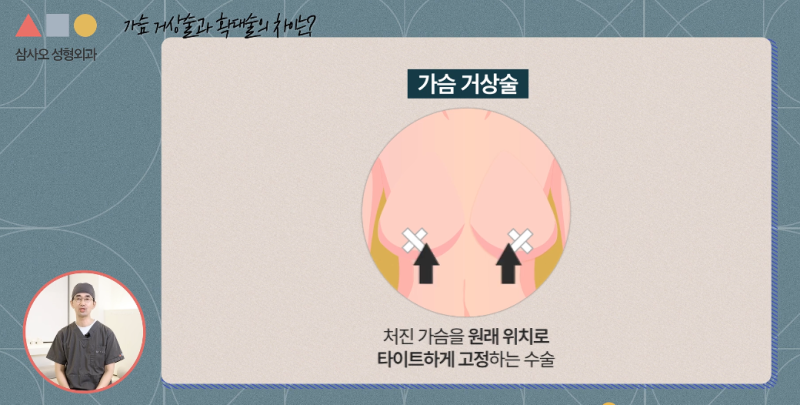
When breast sagging (ptosis) becomes severe, it is easy to experience not only physical changes in appearance but also psychological distress. As a representative method of breast lifting, a breast lift (mastopexy) refers to a surgery that lifts the sagging mammary gland tissue and skin, repositioning and securing them in their normal position.

Breast Lift vs. Breast Augmentation: What is the Difference?
Many people often confuse these two surgeries. We compare the purpose and expected effects of each procedure.
- Breast Lift (Mastopexy): A surgery that pulls sagging breasts upward. Because it gathers the breast tissue, you can expect a visual change where the breasts look firmer and larger, even without an actual change in volume.
- Breast Augmentation: A surgery that fills in lacking volume using implants or fat grafting. As the volume is restored, it is often accompanied by the effect of naturally improving mild sagging.
3 Main Causes of Breast Sagging
The breasts are supported by connective tissues such as Cooper's ligaments. When these structures loosen, the breasts sag downward.
- Weight and Gravity: The larger and heavier the breast volume, the more it is affected by gravity, making it stretch more easily.
- Aging and Loss of Elasticity: As the elasticity of the skin and tissues weakens, their supportive strength decreases.
- Rapid Physical Changes: Through pregnancy, childbirth, and breastfeeding, breast tissue expands and contracts, which can cause the remaining skin to look saggy.

Customized Surgical Methods Based on the Degree of Ptosis
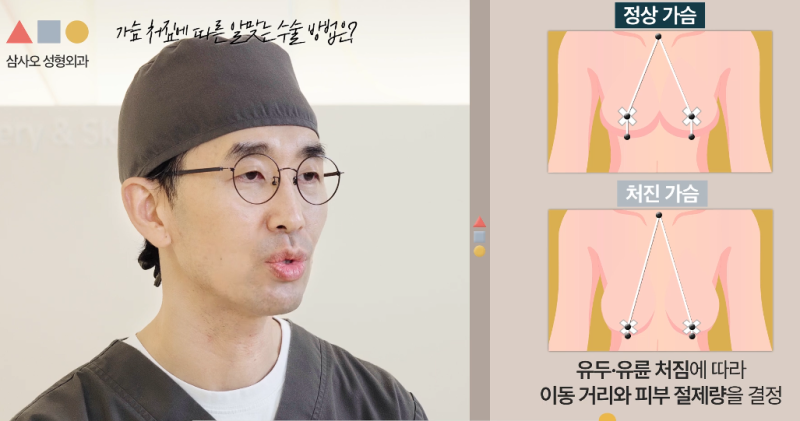
The surgical scope of a breast lift is determined by the position of the nipple and areola. The more severe the sagging, the longer the incision line tends to be.
- Periareolar Incision: When sagging is mild, an incision is made only around the areola to minimize scarring.
- Vertical Incision: A vertical line is added below the areola to correct moderate sagging.
- Inverted-T (Anchor) Incision: When sagging is severe or the breasts are spread apart, a horizontal incision is added to achieve a definitive lift.
What About Post-Operative Pain and Recovery Time?
A breast lift is usually performed in the skin and mammary gland tissue layers without touching the pectoralis major (chest muscle). Therefore, the burden of pain is relatively low compared to breast augmentation, and a smooth recovery can be expected. However, since swelling and bruising may occur depending on the individual, a certain period of rest is necessary.

Careful Decision-Making Through Systematic Consultation
Breast ptosis can cause both functional discomfort and aesthetic concerns simultaneously. It is important to receive an accurate diagnosis of your ptosis stage and skin condition through a thorough consultation with a specialist, and to establish the most appropriate surgical plan.
Frequently Asked Questions
What kind of surgery is breast lift surgery?
Breast lift surgery is a procedure that lifts and repositions sagging glandular tissue and skin to a normal position. This surgery can be expected to increase breast elasticity and make them appear visually larger.
How are breast lift surgery and breast augmentation surgery different?
Breast lift surgery is a procedure that pulls up sagging breasts to improve elasticity, while breast augmentation surgery fills insufficient volume through implants or fat grafting. The purpose and expected effects of the two surgeries are different.
What are the main causes of breast ptosis?
The main causes of breast ptosis are the weight of breast volume and gravity, decreased skin and tissue elasticity due to aging, and tissue expansion and contraction due to rapid body changes such as pregnancy, childbirth, and breastfeeding.
Does the surgical method vary depending on the degree of breast ptosis?
Yes, the surgical method varies depending on the degree of breast ptosis. For mild ptosis, an areola incision is used; for moderate ptosis, a vertical incision; and for severe ptosis, an inverted T-shaped (I-shaped) incision is used for customized lifting.
What are the pain and recovery period after breast lift surgery?
Breast lift surgery is performed on the skin and glandular tissue layers without touching the pectoralis major muscle, so the pain burden is less compared to breast augmentation surgery. Although there are individual differences, a relatively good recovery can be expected, and a stable period is needed as swelling and bruising may occur.