2026-06-04
Breast Augmentation Implant Types and Characteristics Compared: Motiva, Mentor, Sebbin – Which is Right for Me?
Breast augmentation goes beyond simple size enlargement; the key is creating a natural line that harmonizes with the individual's body shape. This text details the characteristics of major breast implants like Motiva, Mentor, and Sebbin, as well as the micro-texture technique with enhanced safety. Discover the criteria for choosing the most suitable implant for you through a diagnosis by an experienced specialist.
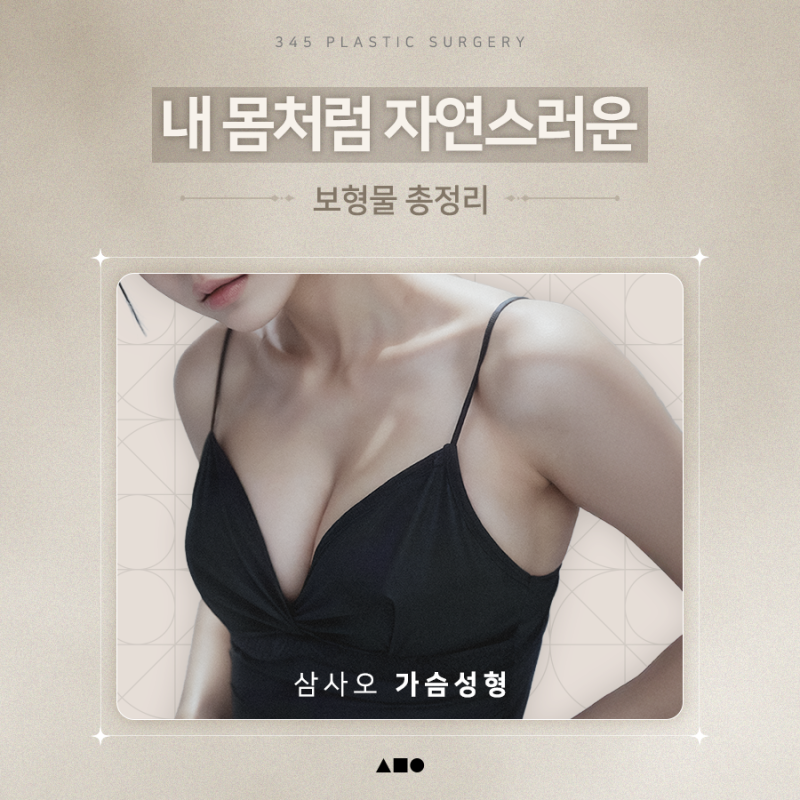
Implant Selection Determines the Perfection of Breast Augmentation Results
Breast augmentation is not simply a surgery to increase size. It is the process of finding the most natural line by comprehensively considering the individual's rib cage structure, skin thickness, and body proportions. In particular, careful selection is necessary because the choice of implant can affect not only the immediate postoperative shape but also the long-term tactile feel and safety.
Major Breast Augmentation Implant Types: Motiva, Mentor, Sebbin
The three representative implants widely used in the domestic medical field today are Motiva, Mentor, and Sebbin. Each brand has different advantages based on its unique technological prowess.
- Motiva: Characterized by its fluidity, the gel inside the implant moves naturally with gravity, changing into a teardrop shape when standing and a round shape when lying down.
- Mentor: A brand with a long history, offering a wide range of choices by providing various sizes and profiles (heights) through precise filling technology.
- Sebbin: Excellent in soft tactile feel and elasticity, it possesses detailed specifications suitable for the Korean body type.
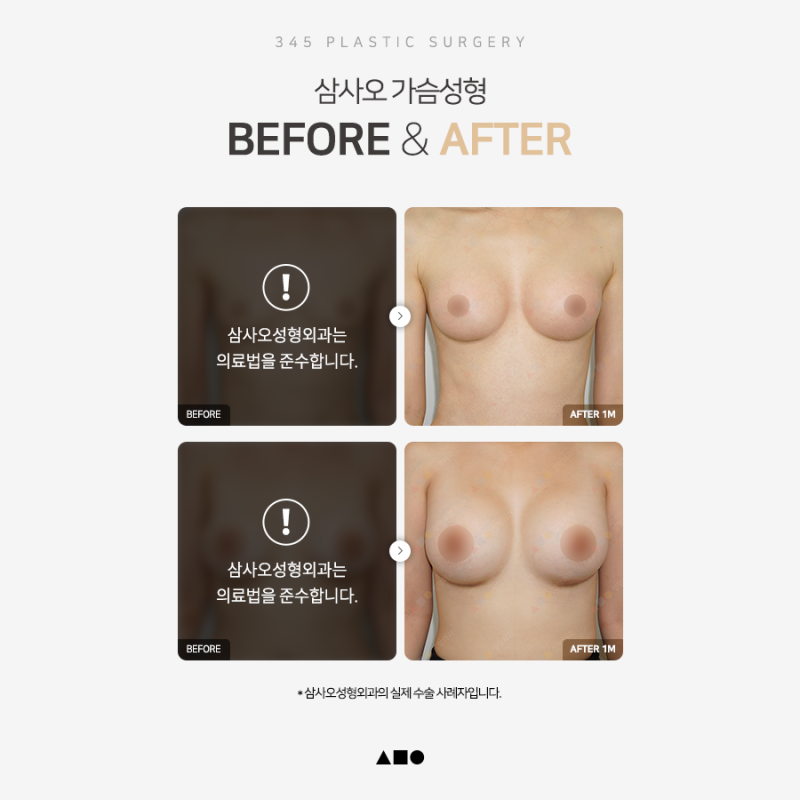
The above is an actual case where a Motiva Demi implant was used to achieve a sense of volume tailored to the body shape. Harmonious results like this can be expected when the height and width of the implant are precisely calculated.
What is Micro-texture?
The surface treatment of an implant is closely related to the incidence rate of capsular contracture (a phenomenon where the tissue around the implant hardens), which is one of the side effects. In the past, the 'macro-texture' method with a rough surface was used, but recently, the micro-texture method with further enhanced safety is preferred.
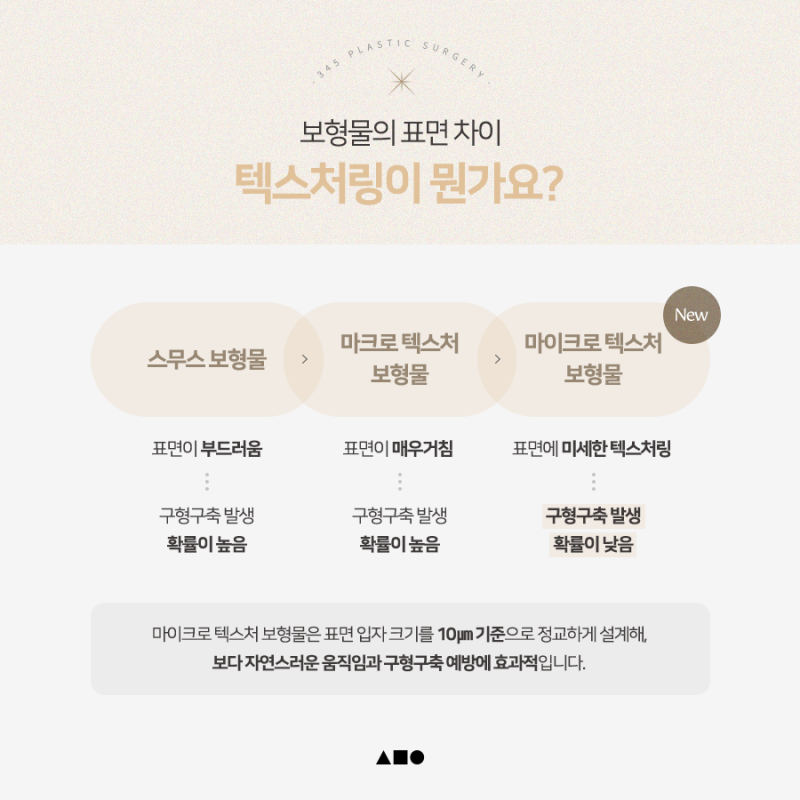
According to the International Organization for Standardization (ISO) standards, cases where the surface roughness is 10 micrometers (μm) or less are classified as micro-texture. This plays a role in aiding a better recovery by reducing friction between the implant and human tissue while maintaining a soft tactile feel.
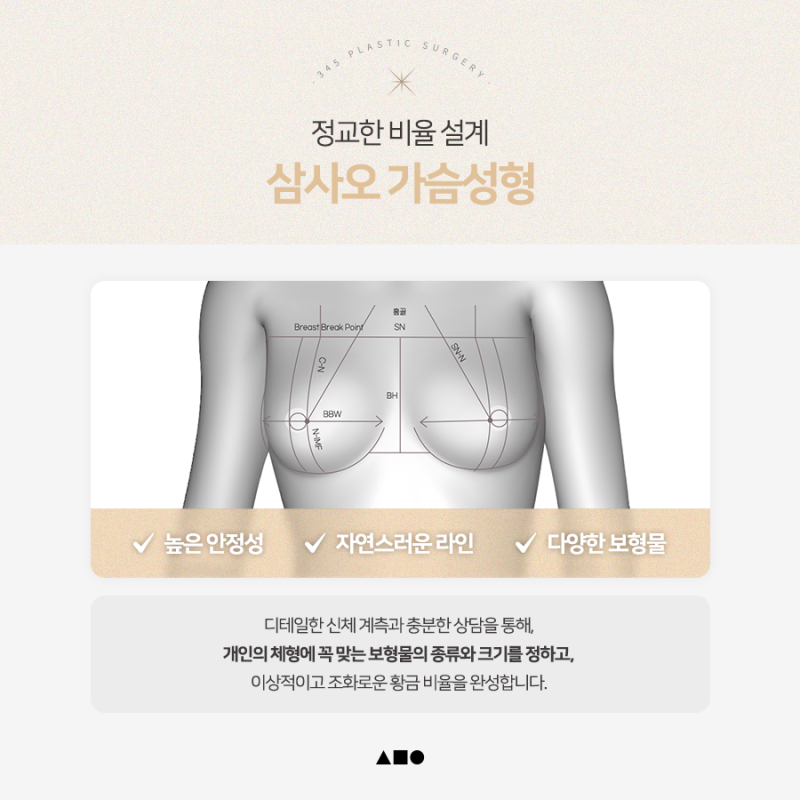
Precise Diagnosis Items for Personalized Breast Augmentation
For highly satisfactory results, the following anatomical factors must be closely diagnosed before surgery.
- Rib cage width and asymmetry: Measures the width of the space where the implant will be seated.
- Position of the Inframammary Fold: Determines the starting point of a natural breast.
- Skin thickness and elasticity: Important to prevent the implant from being visible or palpable from the outside.
- Amount of mammary gland tissue: Determines the implant insertion plane based on the original amount of breast tissue.
Considerations for Safe Surgery
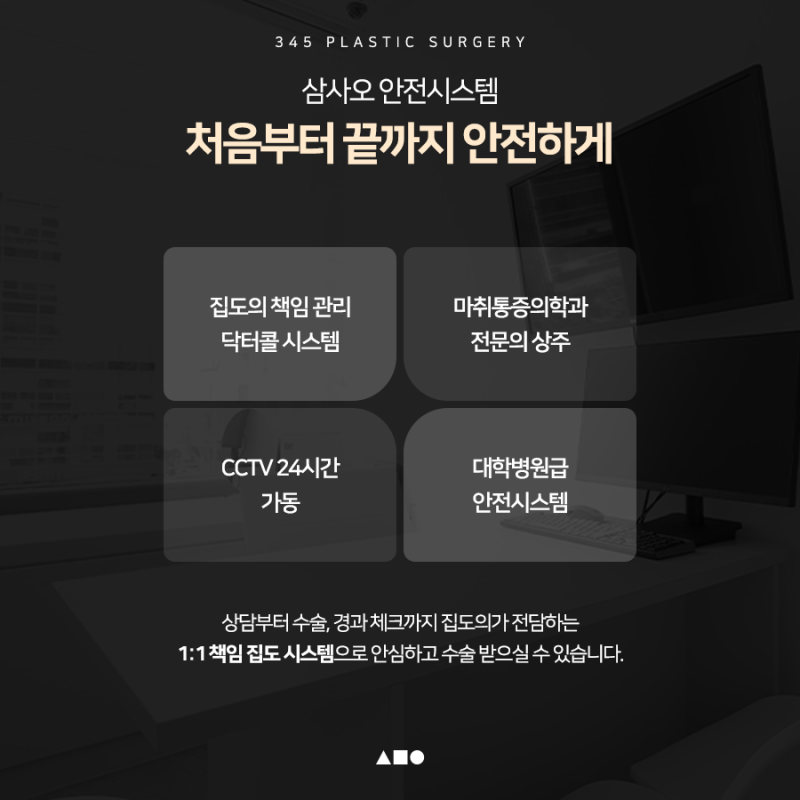
As breast augmentation is a highly difficult surgery, you must carefully check the surgeon's proficiency and the clinic's safety system. At 345 Plastic Surgery, Dr. Kyu-Nam Han, who is active as a Motiva KOL (Key Opinion Leader), personally oversees the entire process from consultation to surgery and aftercare.
In addition, through university hospital-level safety facilities and a collaborative system with board-certified anesthesiologists, we respond swiftly to emergency situations and create an environment where patients can undergo surgery with peace of mind. For unchanging naturalness over time, it is advisable to parallel regular progress observations, such as postoperative ultrasound examinations.
Frequently Asked Questions
What is the most significant feature of Motiva implants?
The most significant feature is their fluidity, which allows them to naturally change shape with your posture. The gel inside the implant shifts with gravity, appearing teardrop-shaped when standing and round when lying down, mimicking the natural movement of real breasts.
What are micro-textured implants?
Micro-textured implants refer to implants with a surface roughness of 10 micrometers or less. This fine texture reduces friction with human tissue compared to older, rougher macro-textured methods, while maintaining a soft feel. This helps lower the incidence of complications like capsular contracture and promotes better recovery.
What examinations are necessary before breast augmentation surgery?
It is crucial to thoroughly diagnose the width and asymmetry of the rib cage, the position of the inframammary fold, skin thickness and elasticity, and the amount of glandular tissue. Comprehensive consideration of these anatomical factors is essential to prevent the implant from being visible through the skin and to achieve the most natural contour.
What should be considered when choosing a hospital for safe breast augmentation?
It is important to carefully check the surgeon's expertise and the hospital's safety system. You should verify if an anesthesiologist is collaborating, if there are university hospital-level safety facilities for emergencies, and if regular follow-up examinations, such as postoperative ultrasound, are available.