2026-06-04
Considering Breast Implant Removal? A Guide to Capsular Contracture Stages and Revision Surgery Timing
An increasing number of people are considering breast implant removal or replacement due to unexpected symptoms such as dissatisfaction with the shape or capsular contracture after breast augmentation. In this article, we examine in detail the characteristics of each stage of capsular contracture—a major cause for revision surgery—the appropriate timing for surgery, and the advantages of different implant types such as Motiva, Mentor, and Sebbin from the perspective of a board-certified plastic

Reasons for Breast Implant Removal and Revision Surgery
Recently, many people have chosen breast augmentation to add volume to their body lines. However, there are also quite a few cases where individuals consider breast implant removal because the post-operative results differ from their expectations, or they are dissatisfied with the shape and feel. In particular, side effects like capsular contracture cause not only physical discomfort but also psychological stress, making it crucial to identify the exact cause through a consultation with an experienced, board-certified specialist.
Stages and Symptoms of Capsular Contracture
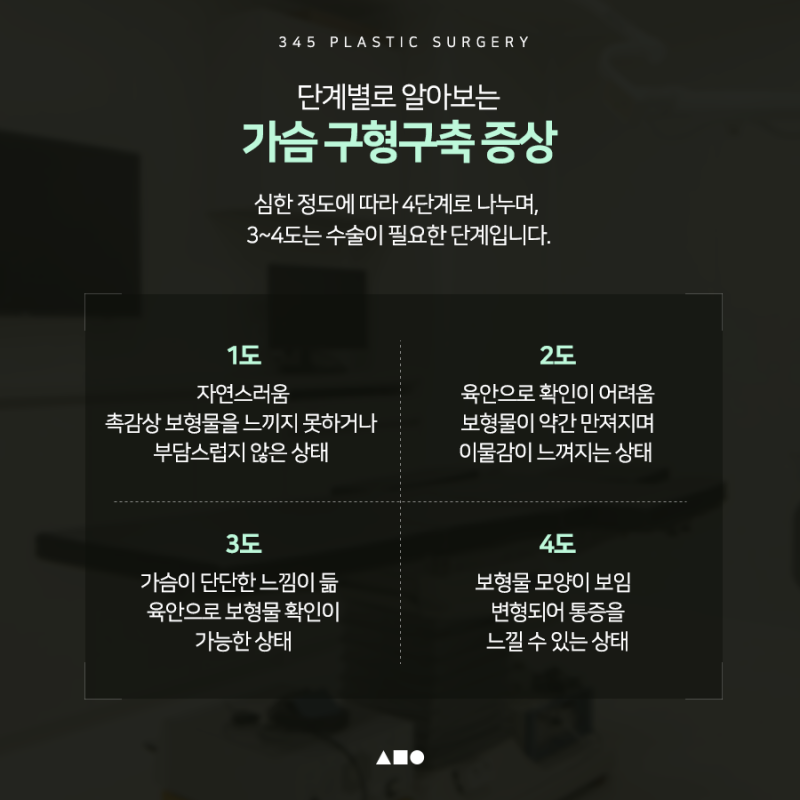
Capsular contracture refers to a phenomenon where the capsule surrounding the implant becomes abnormally thick or hard, making the breasts feel unnatural to the touch. This can be classified from Grade 1 to Grade 4 depending on the severity of the symptoms.
- Grades 1-2: There is almost no visible change in appearance, but this is the stage where a slight sensation of a foreign body is felt or the breasts feel somewhat firmer to the touch.
- Grades 3-4: The breasts look visibly hard, the shape of the implant may be visible, and it can be accompanied by pain. In these cases, improvement through breast revision surgery is recommended.
When Should You Decide on the Timing for Breast Revision Surgery?
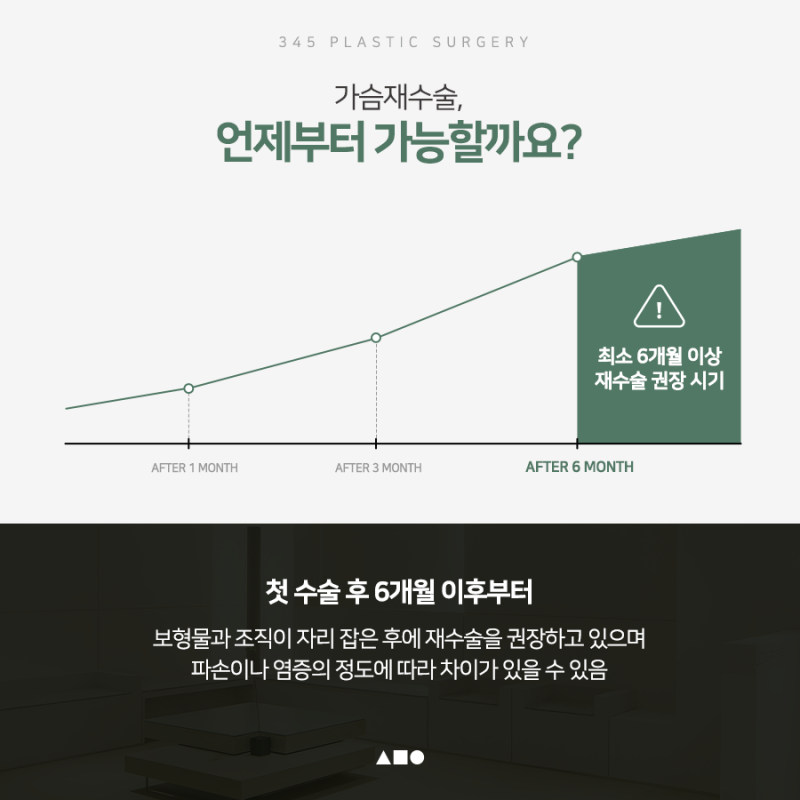
It is generally recommended to proceed with breast revision surgery at least 6 months after the initial surgery. This is because it takes time for the inserted implant and surrounding tissues to fully stabilize.
However, if an implant rupture is confirmed or if there is severe inflammation, immediate medical intervention may be necessary even if 6 months have not passed. Therefore, getting an accurate diagnosis of your current condition through regular ultrasound examinations is a priority.
Types and Features of Breast Implants That Suit You
When removing the existing implant and replacing it with a new one during revision surgery, you must choose a suitable product based on your individual body type and preferred shape.
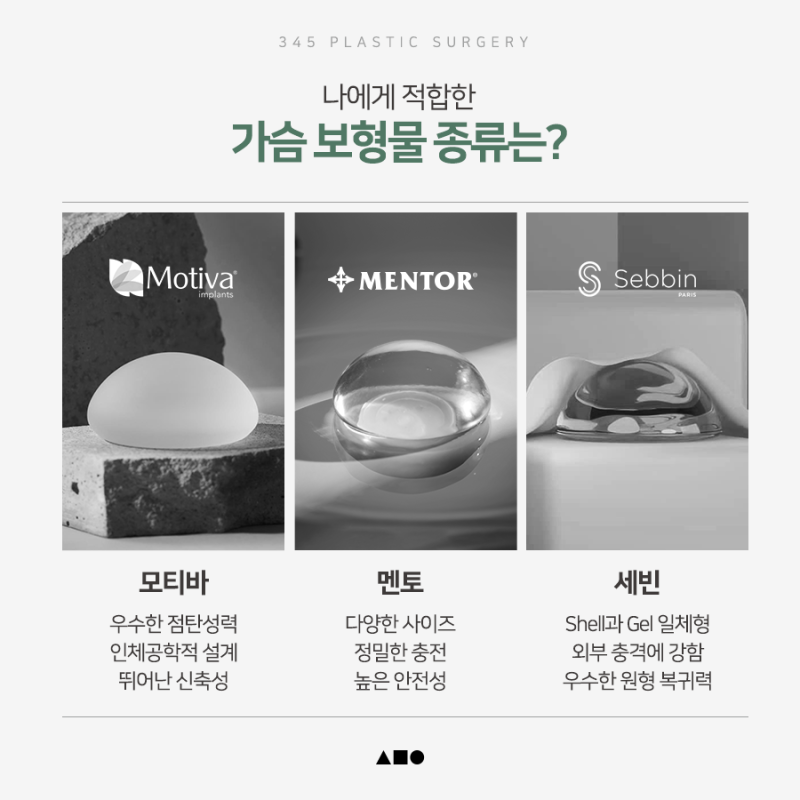
- Motiva: Characterized by an ergonomic design that naturally changes shape with movement, based on excellent viscoelasticity.
- Mentor: An implant with a long clinical history, offering a variety of sizes and precise fill volumes for stable and predictable results.
- Sebbin: Features a strong bond between the outer shell and the inner gel, making it highly resistant to external pressure with excellent shape retention and recovery.
Tips for Systematic Aftercare and Recovery
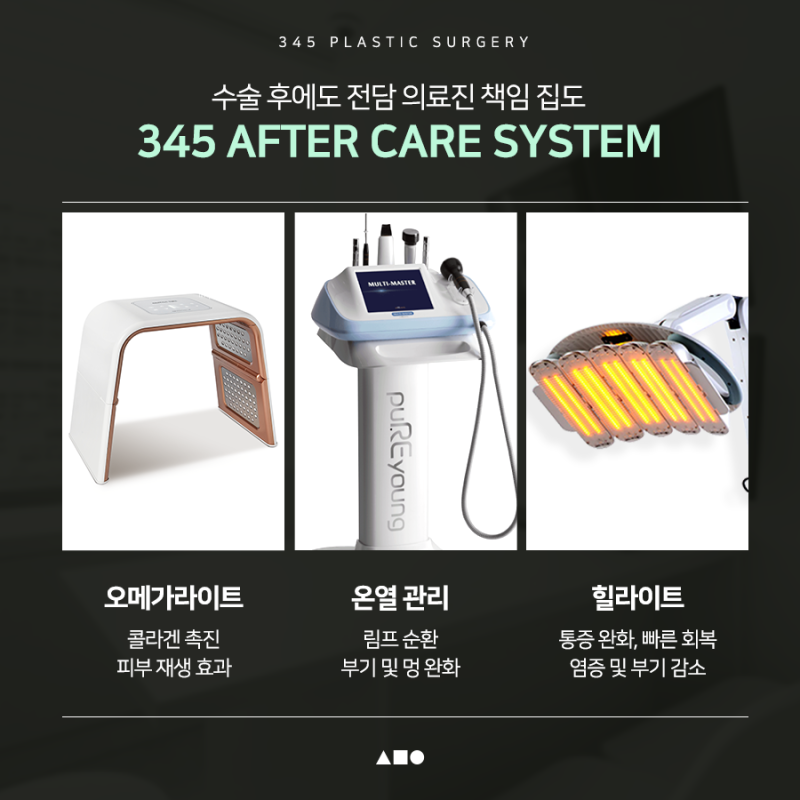
Because breast revision surgery is more complex than the initial procedure, aftercare is also extremely important. At 345 Plastic Surgery, we help soothe swelling and promote a quick return to daily life through 1:1 customized recovery programs, including Omega Light, thermal therapy, and Healite treatments.
In particular, the technical skill to precisely dissect and remove the thickened capsule is key to preventing recurrence. We advise you to carefully consider the medical team's expertise and aesthetic sense before making your decision.
Frequently Asked Questions
What is capsular contracture after breast augmentation?
It refers to a side effect where the capsule surrounding the implant abnormally thickens or hardens. It is divided into grades 1 to 4 depending on the symptoms, and at grades 3-4, the breasts can become hard and painful, so reoperation is recommended.
When is the best time for breast reoperation?
Generally, it is recommended to perform it at least 6 months after the initial surgery. This is the time required for the inserted implant and surrounding tissues to stabilize sufficiently. However, if there is implant rupture or severe inflammation, immediate treatment is necessary even before 6 months.
Do I have to wait 6 months even if the implant is ruptured?
No, if implant rupture or severe inflammation is confirmed, immediate medical treatment is necessary. Even if 6 months have not passed, you should get an accurate diagnosis of your current condition through regular ultrasound examinations and quickly decide whether to proceed with surgery.
What implants can I choose for breast reoperation?
You can choose implants such as Motiva, Mentor, and Sebbin according to your body type and preferences. Motiva is characterized by natural movement, Mentor has a long clinical history, and Sebbin has the advantage of being resistant to external pressure and having excellent shape memory.
How is post-operative care performed after breast reoperation?
Care is provided through a 1:1 customized recovery program including Omega Light, thermal management, and Healite. Reoperation is more difficult than the initial surgery, so it is important to calm swelling and help a quick return to daily life through such systematic post-operative care.