2026-06-04
Breast Augmentation Scar Management and Treatments: From Lasers to Wearing Sports Bras
Aftercare for scars following breast augmentation is just as important as the surgical results themselves. From the timeline of scars fading to laser and injection treatments, managing itchiness, and when to wear a sports bra, we provide a detailed overview of the key information patients are most curious about from the perspective of a board-certified plastic surgeon.
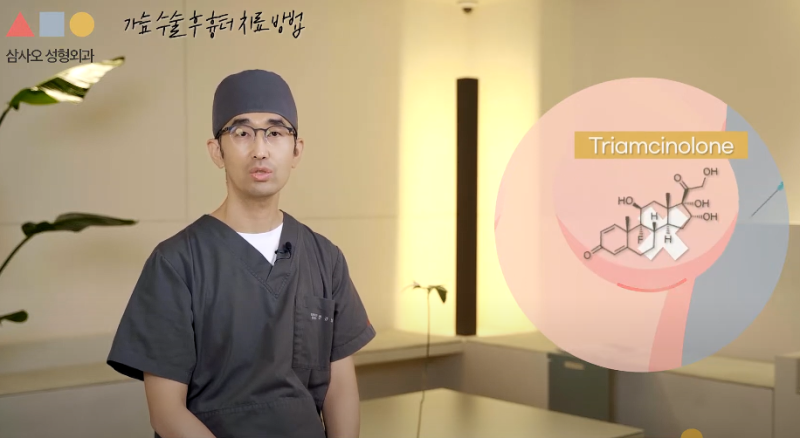
Breast Augmentation Scars: What is the Natural Recovery Process?
One of the biggest concerns for those planning or recovering from breast surgery is the breast augmentation scar. The scar at the incision site may appear somewhat red and dark immediately after surgery, but this is a normal part of the skin's healing process.
Generally, scars gradually soften and fade in color over time. Although it varies depending on individual constitution, they usually blend in with your natural skin tone and become less noticeable after about 6 months to a year. Combining proper care during this period can lead to even better outcomes.
Professional Treatments Based on Scar Characteristics
If additional correction is needed beyond natural recovery, appropriate treatments will be performed depending on the condition of the scar (such as hypertrophic scarring or hyperpigmentation).
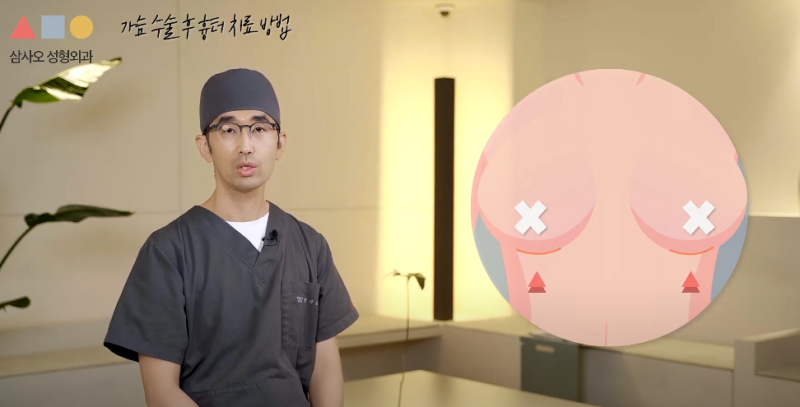
- Scar Injection Therapy: If the scar becomes raised or hard, steroid injections containing triamcinolone are used to soften and relax the tissue.
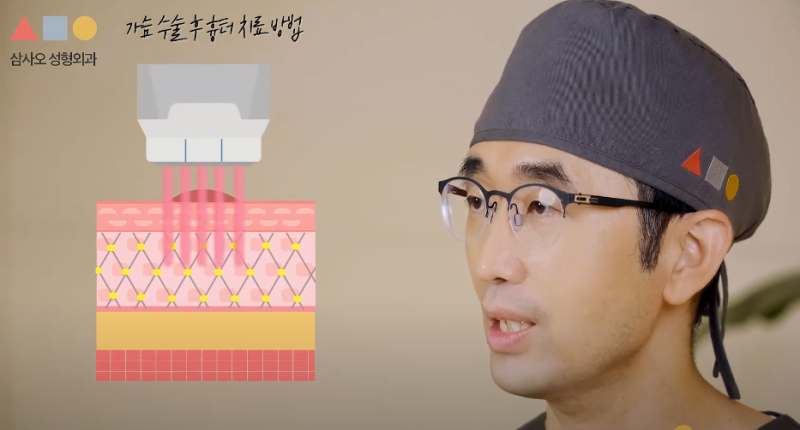
- Laser Treatment: For intense redness, vascular or pigment lasers are used, while Fraxel lasers can be utilized to improve skin texture if the scar surface is uneven.
- Surgical Revision: If the scar has widened excessively or separated, we may consider precisely excising and re-suturing the area to narrow the width of the scar.
Common Symptoms During Recovery: Itchiness and Skin Care
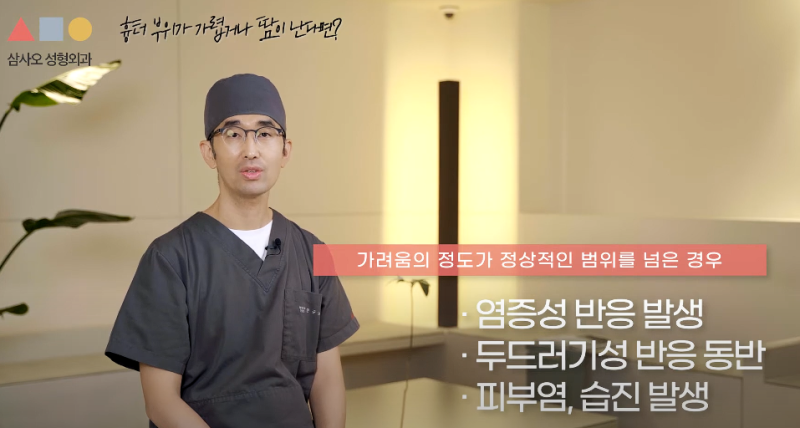
During the post-operative recovery process, it is common to experience discomfort from itchiness or sweat accumulation around the scar area. Extra caution is needed, especially in the summer, as this can be accompanied by eczema or dermatitis.
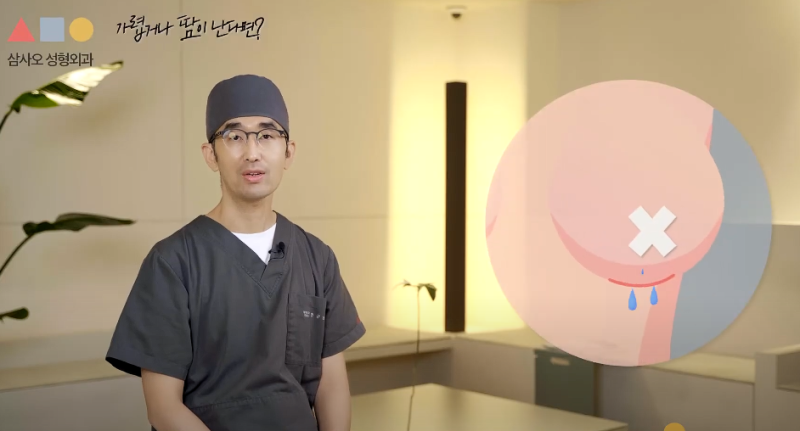
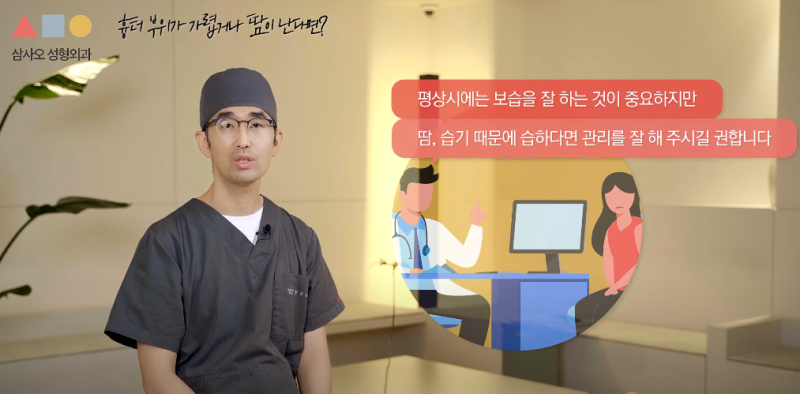
Itchiness can be a normal reaction as nerves regenerate, but if the symptom is severe, it is necessary to check for any inflammatory response. It is important to moisturize thoroughly on a regular basis, but after sweating, gently pat the area dry with a clean towel to keep the affected site clean and dry.
Post-Op Underwear: Is a Sports Bra Enough?
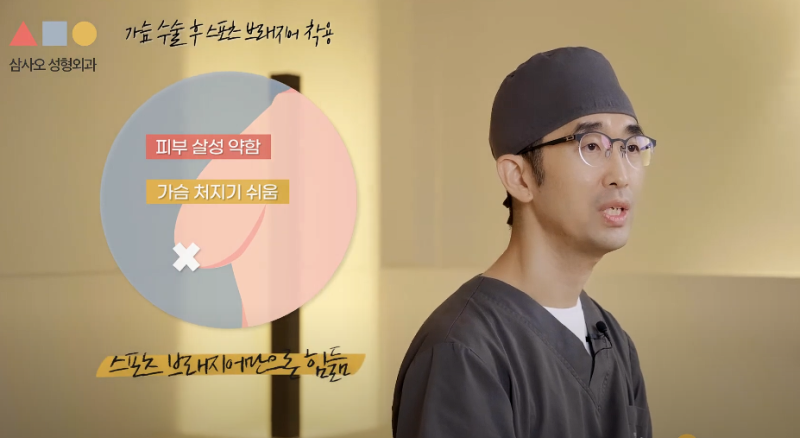
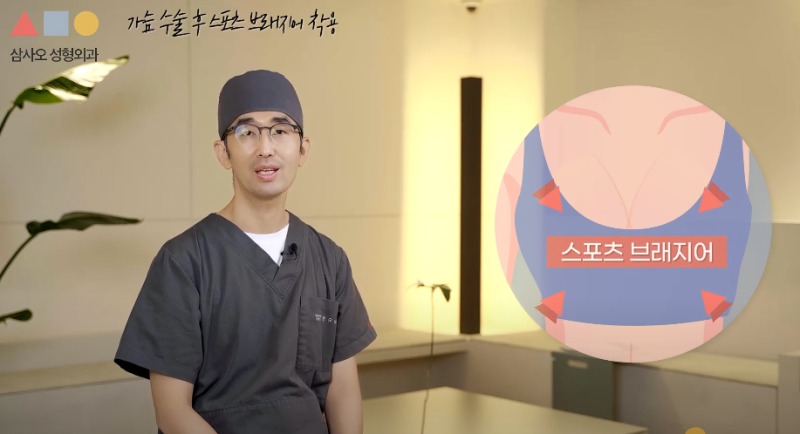
Whether to wear compression garments, a common question among many patients, is determined by the surgical method and individual body type. Recently, thanks to precise surgical techniques, the trend is to recommend comfortable sports bras rather than unconditionally requiring compression garments.
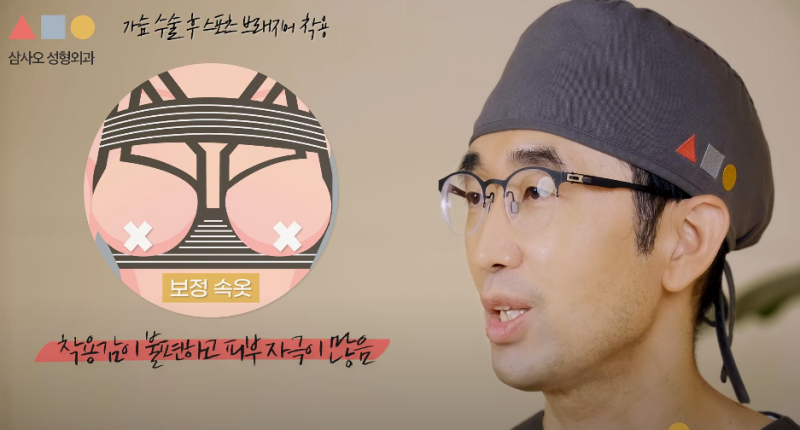
Specialized compression garments can cause skin irritation due to their strong pressure. On the other hand, a sports bra with adequate support stably controls breast movement while offering excellent comfort, aiding in recovery. However, if you have low skin elasticity or a sagging body type, a specific type of bra that can secure the implants may be necessary based on the medical team's judgment.
A successful breast augmentation does not end in the operating room. By regularly checking your progress at a clinic with a systematic aftercare system and strictly following the provided precautions, you can achieve highly satisfying results.



Frequently Asked Questions
When do breast augmentation scars naturally disappear?
Scars usually heal to a similar skin tone and become less noticeable after about 6 months to 1 year. Immediately after surgery, scars may appear red and dark, but this is a normal process of skin recovery, and with proper care, a better outcome can be expected.
How are hard, raised scars treated?
They are treated with steroid injections containing triamcinolone. If a scar is hard, raised, or firm, this injection can be administered to soften the tissue and improve the scar's condition.
Why does the scar area itch after surgery?
It is likely a normal reaction that occurs during the nerve recovery process. However, if the symptoms are too severe, it could be an inflammatory reaction, so it needs to be checked. It is recommended to moisturize thoroughly and keep the affected area clean and dry.
Do I have to wear special compression garments after breast surgery?
No. Recently, comfortable sports bras are recommended rather than mandatory compression garments. Special compression garments can cause skin irritation due to strong pressure, so a sports bra with appropriate support can be more helpful for recovery. However, this may vary depending on body type.